Tracks
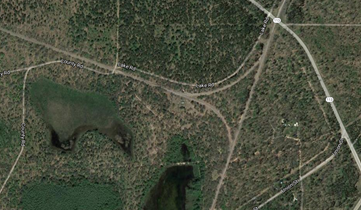
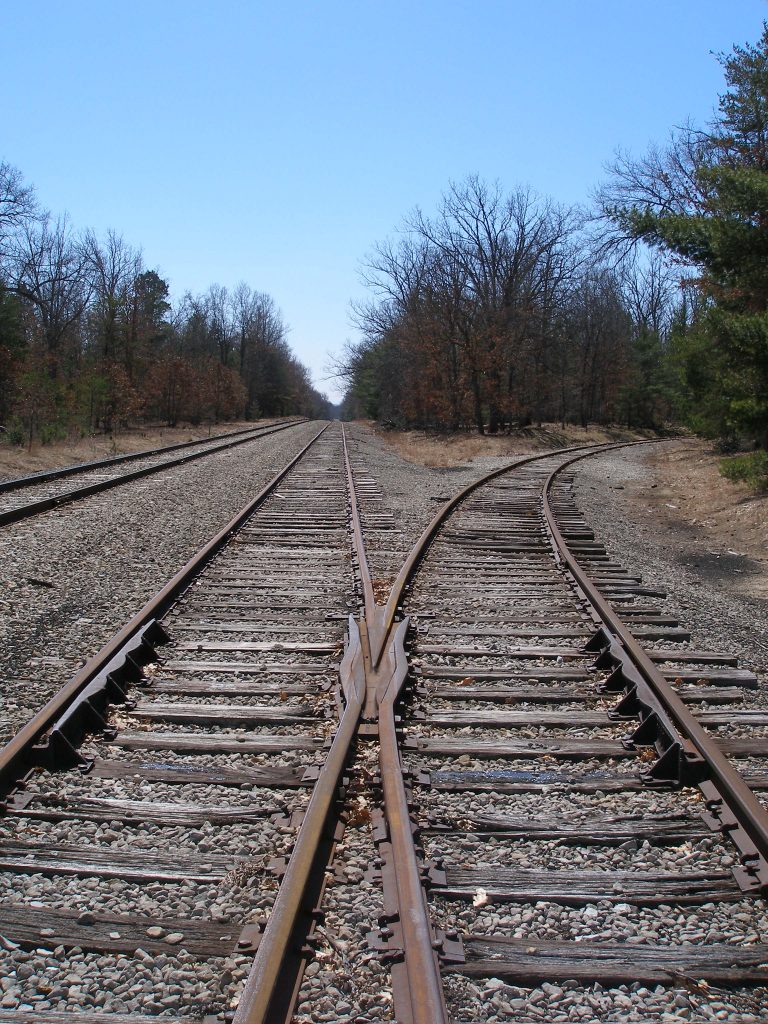
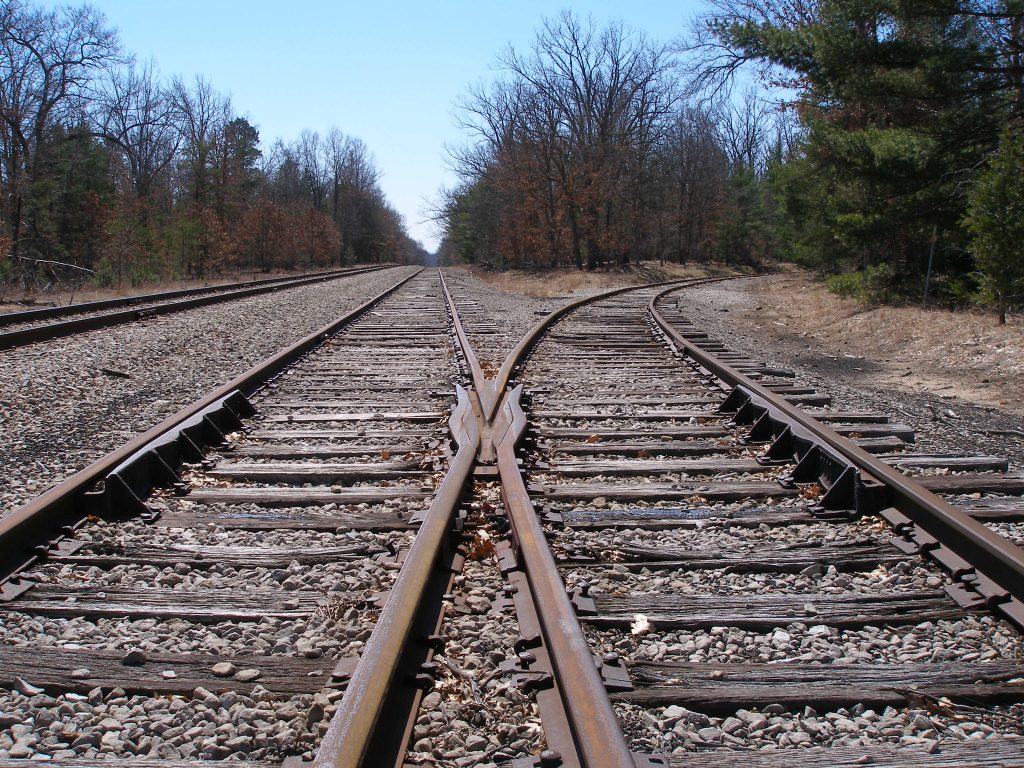
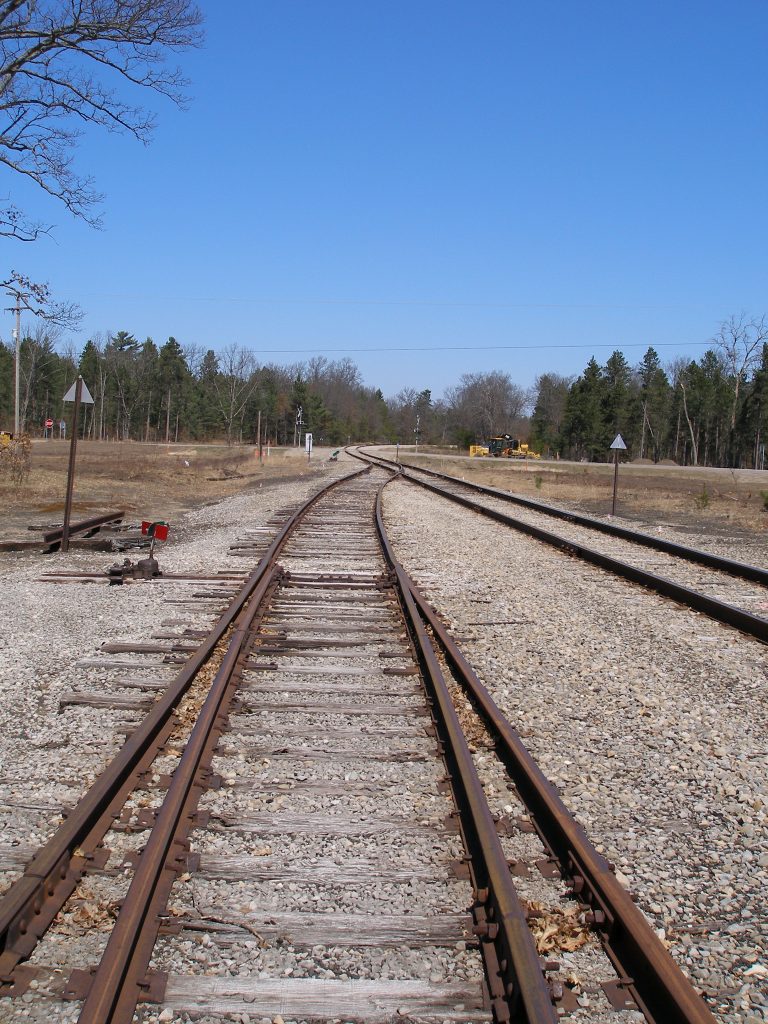
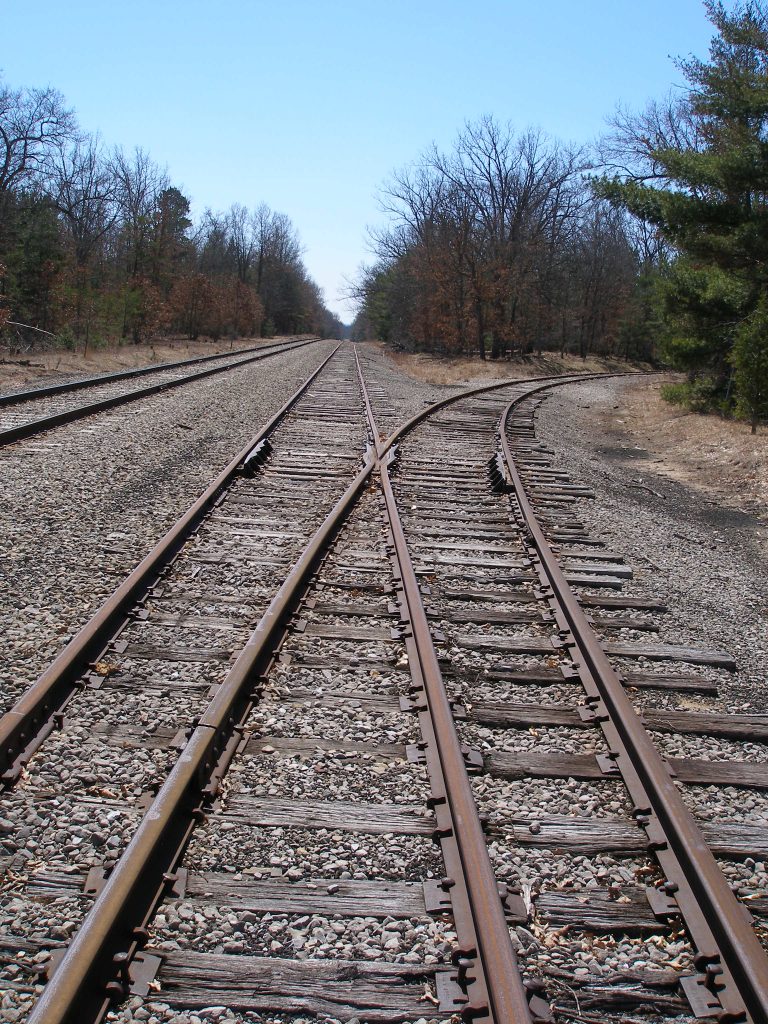
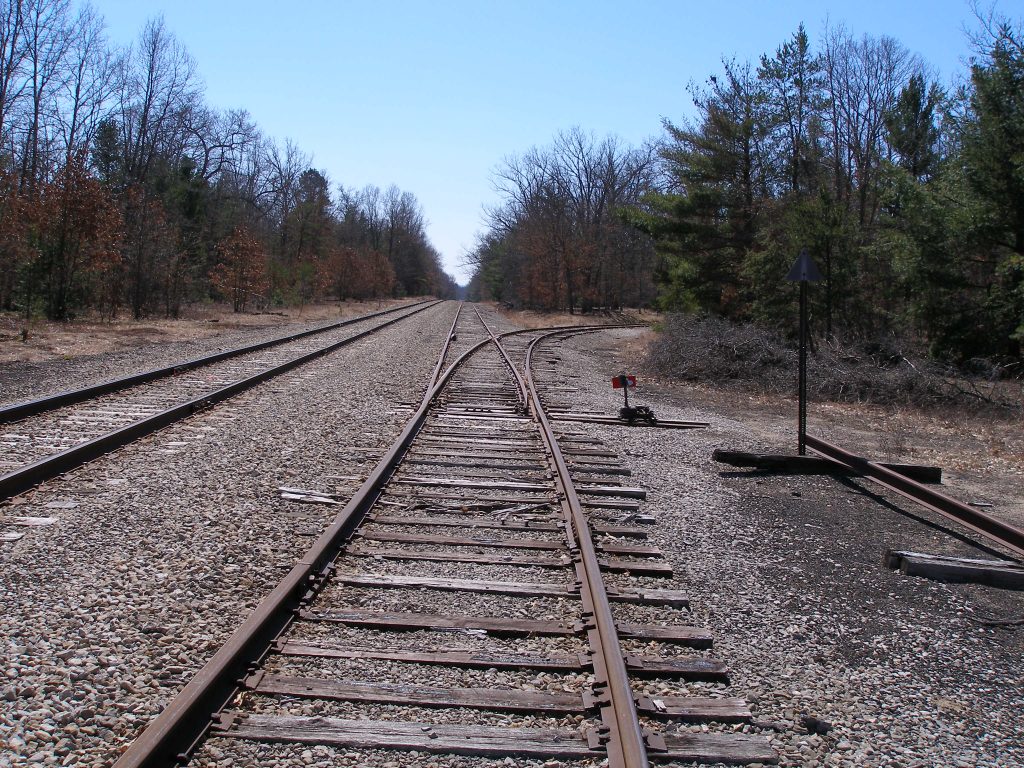
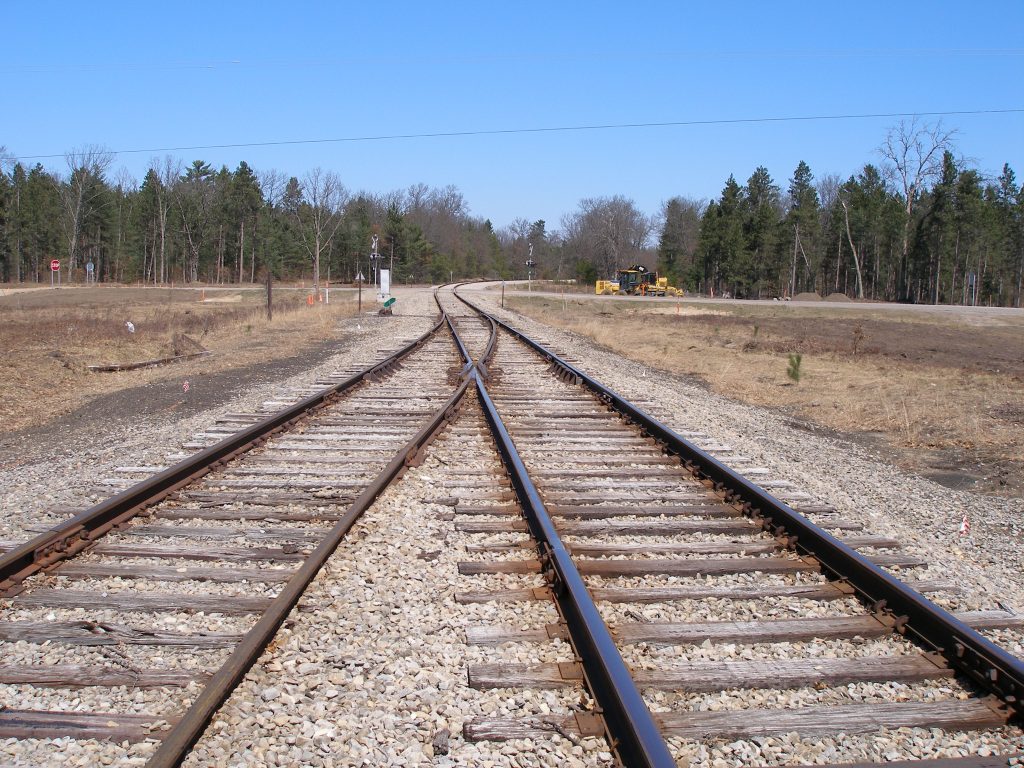
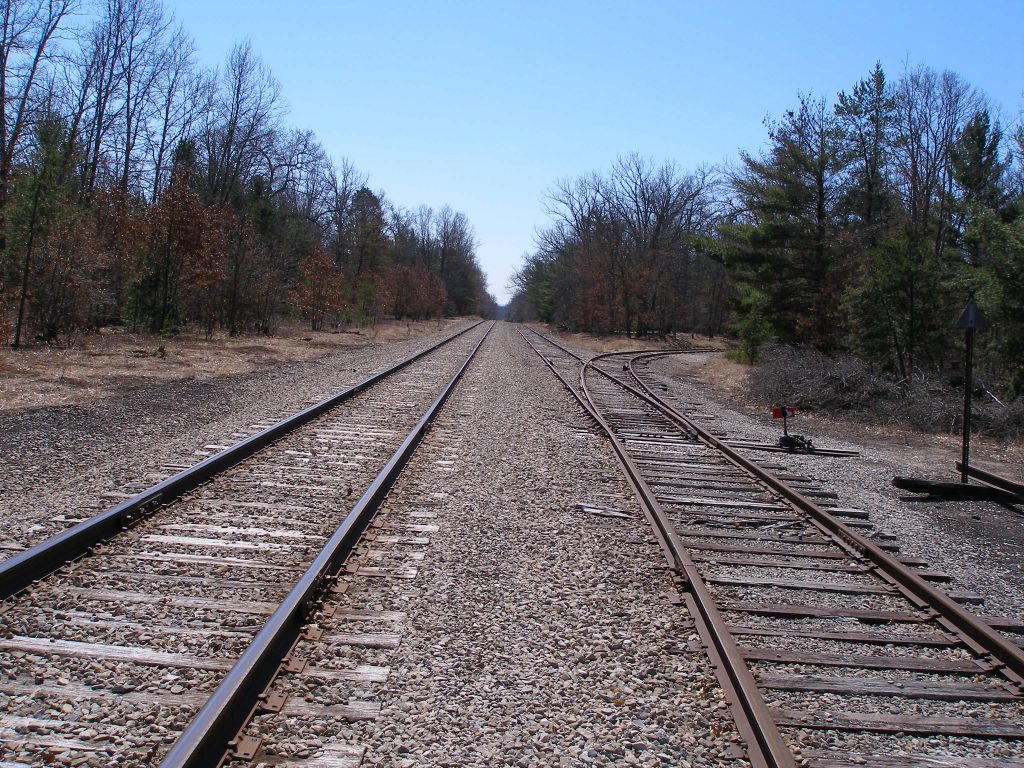
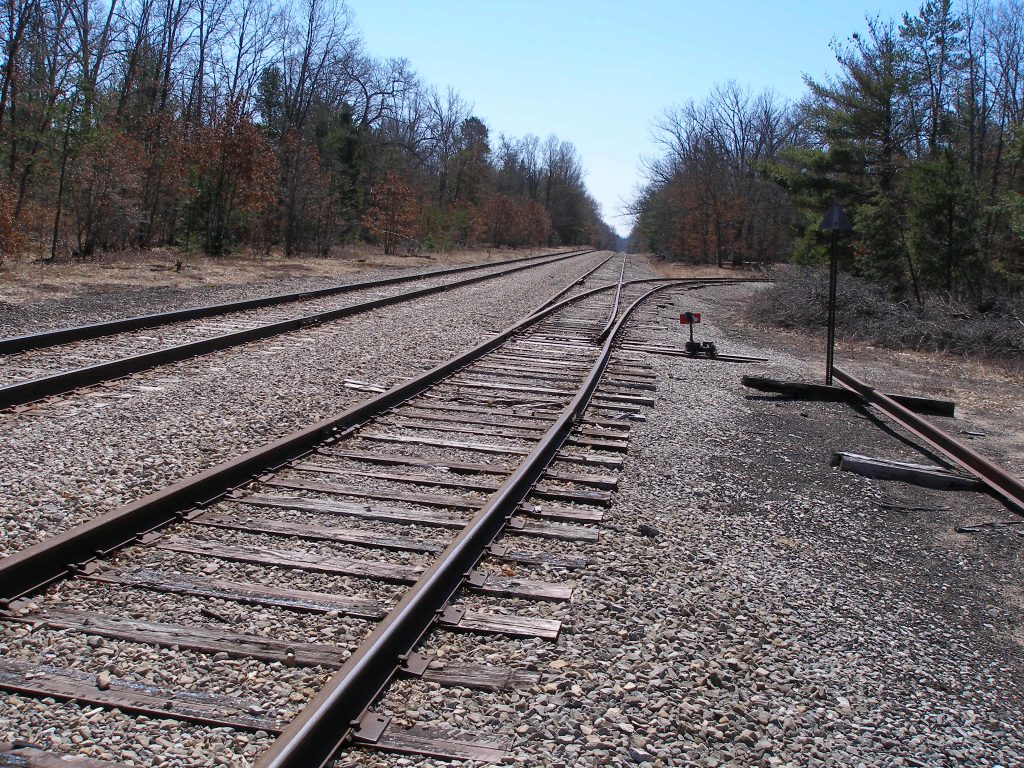
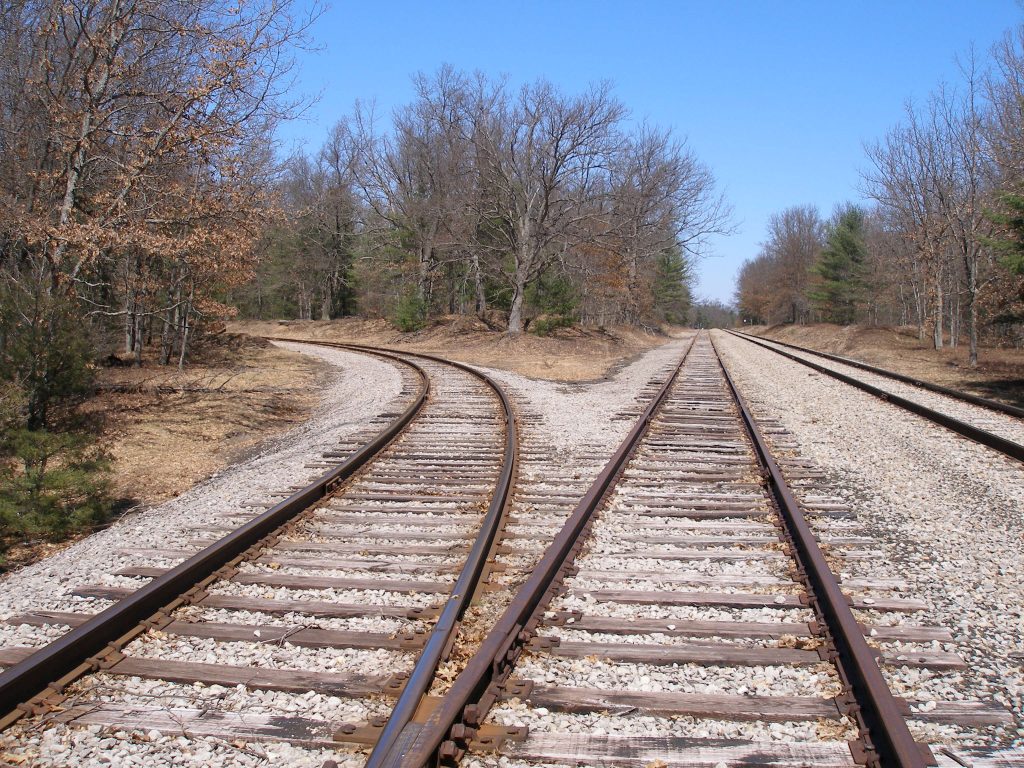
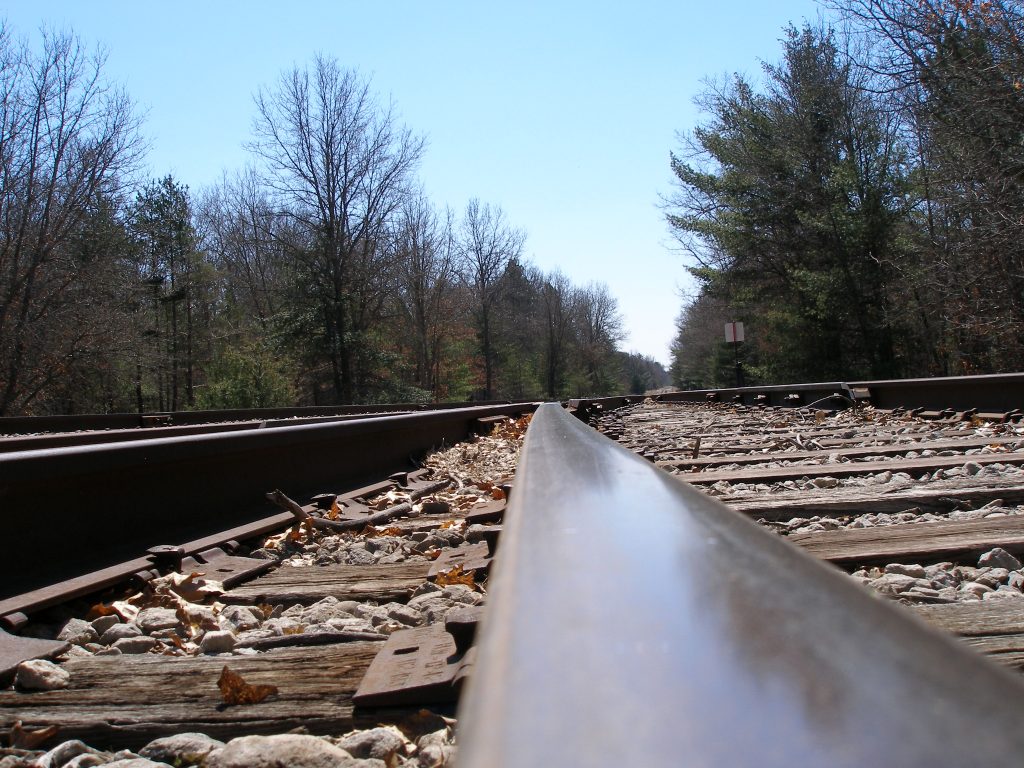
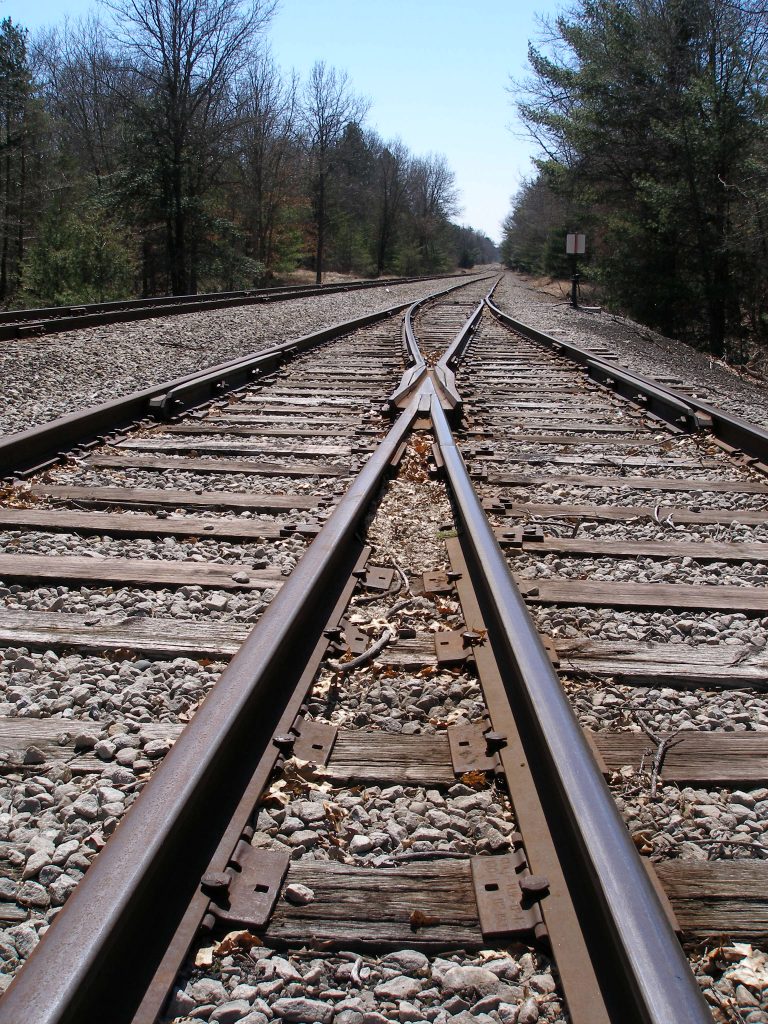
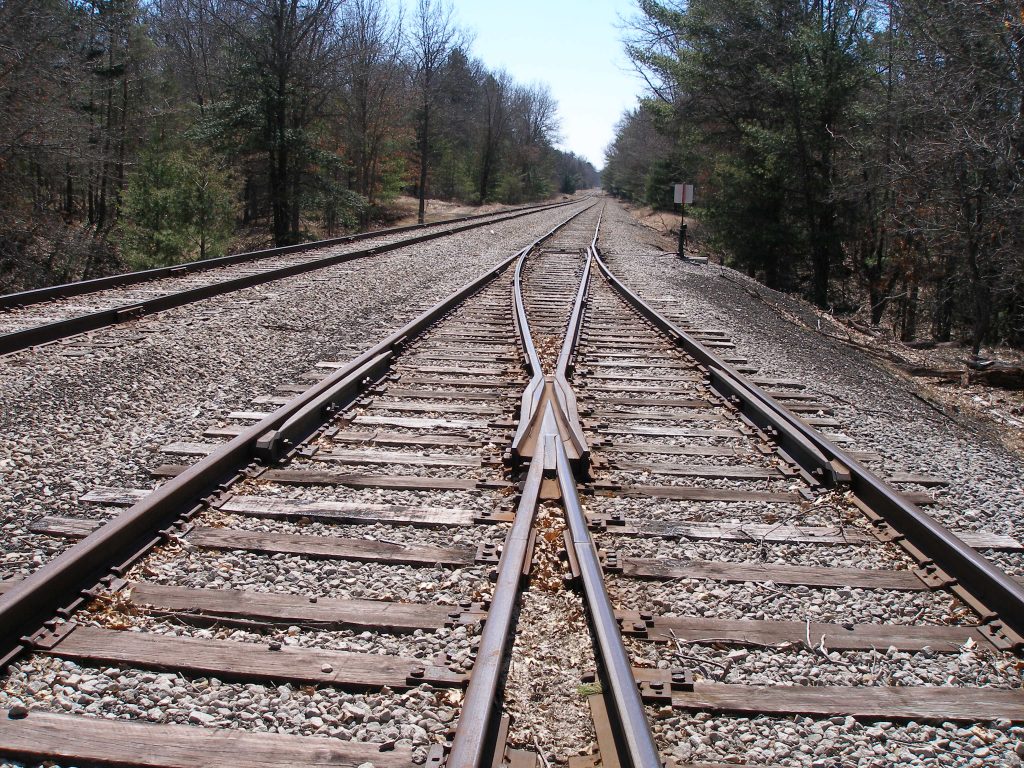
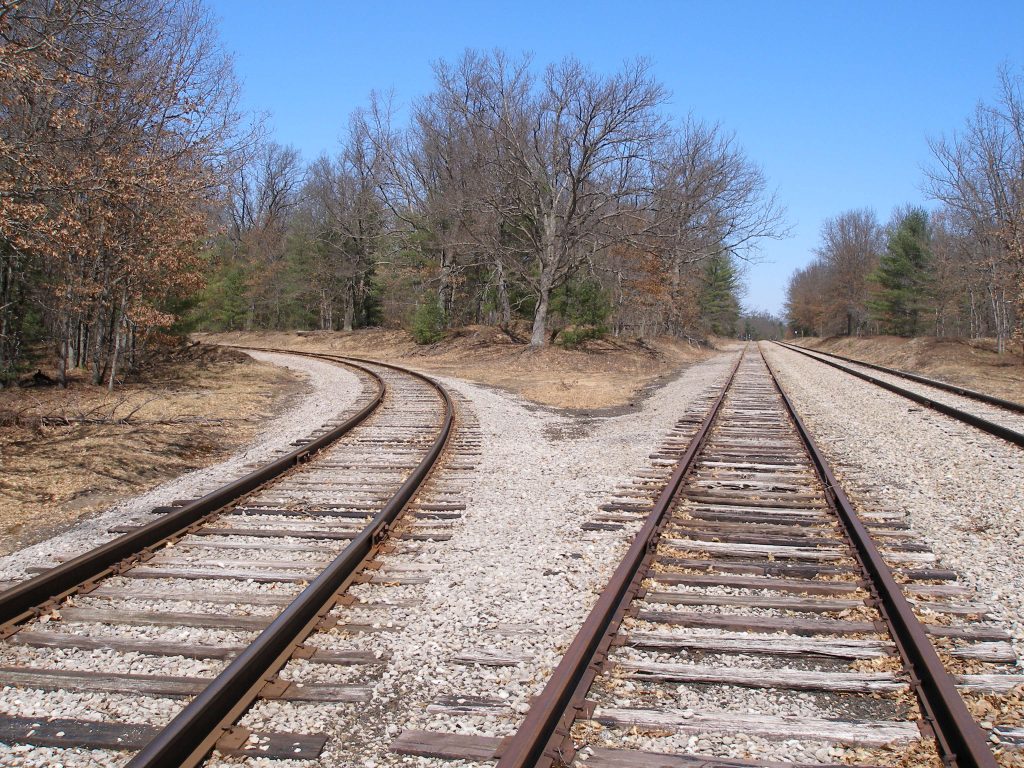
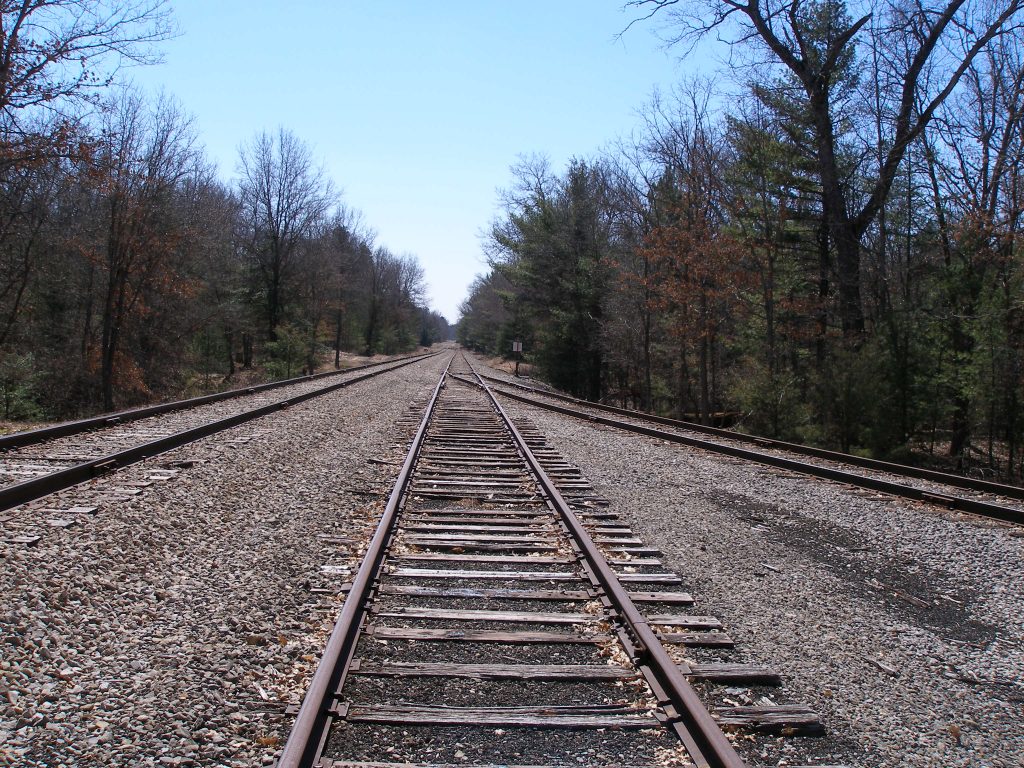
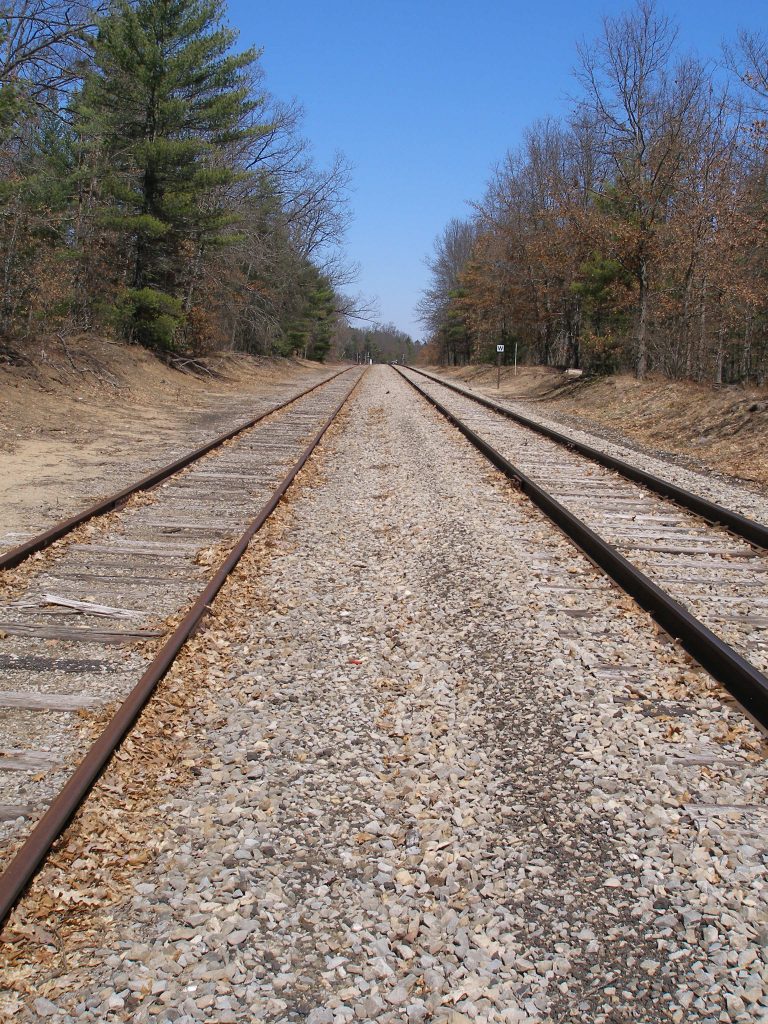
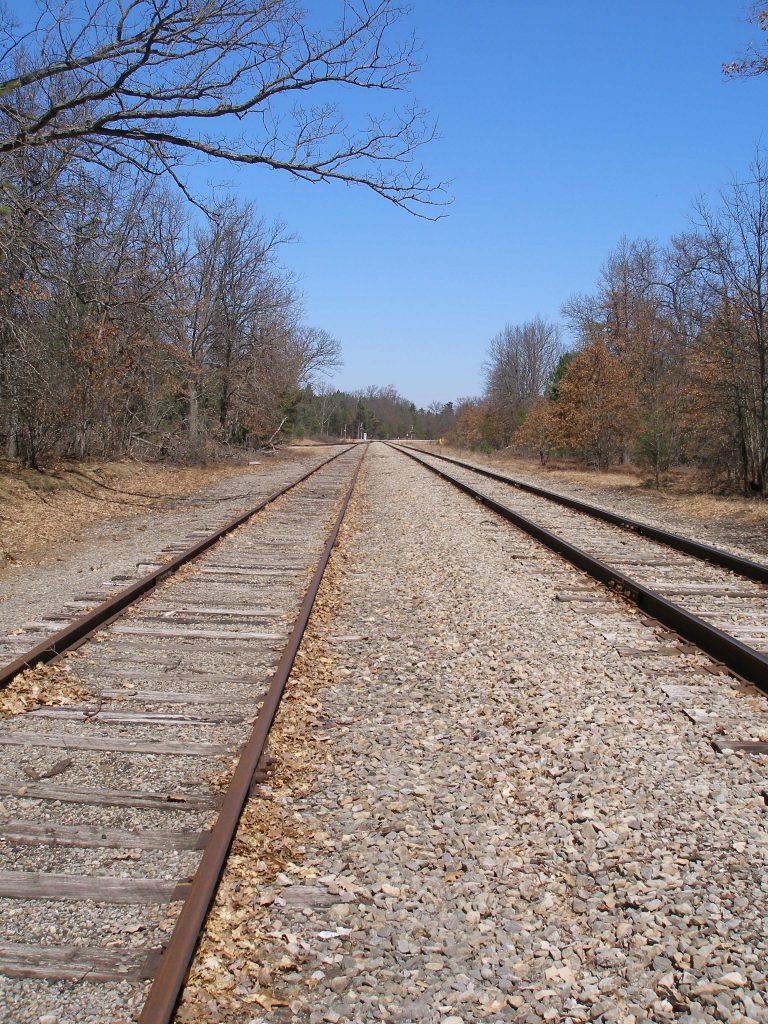
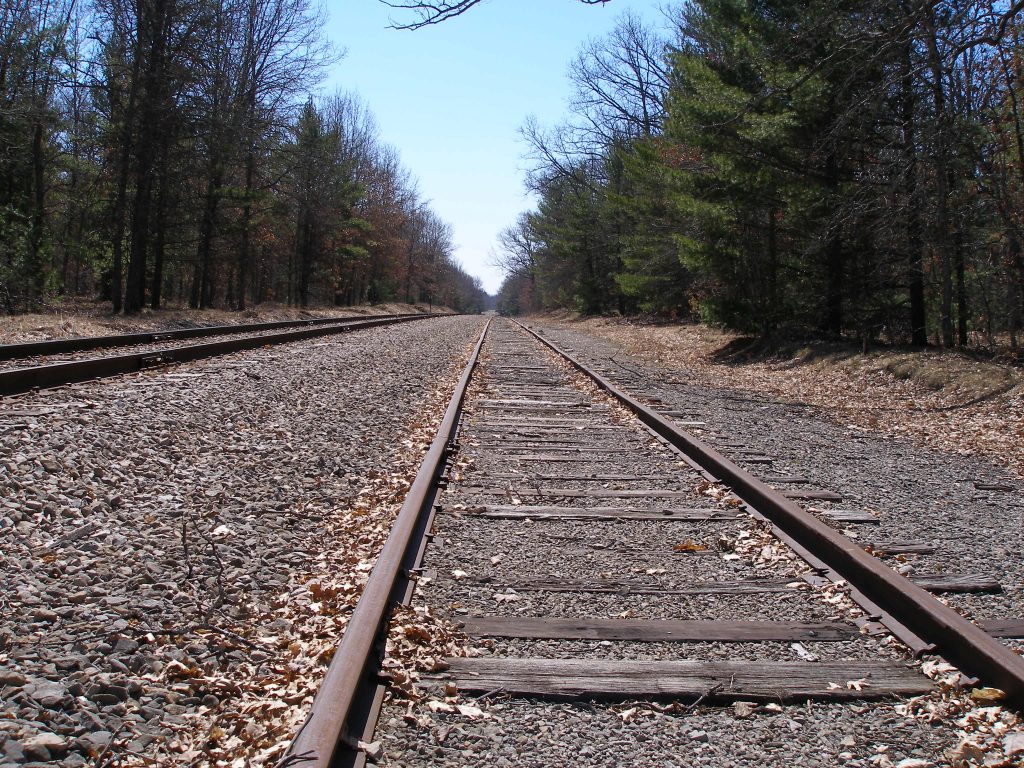
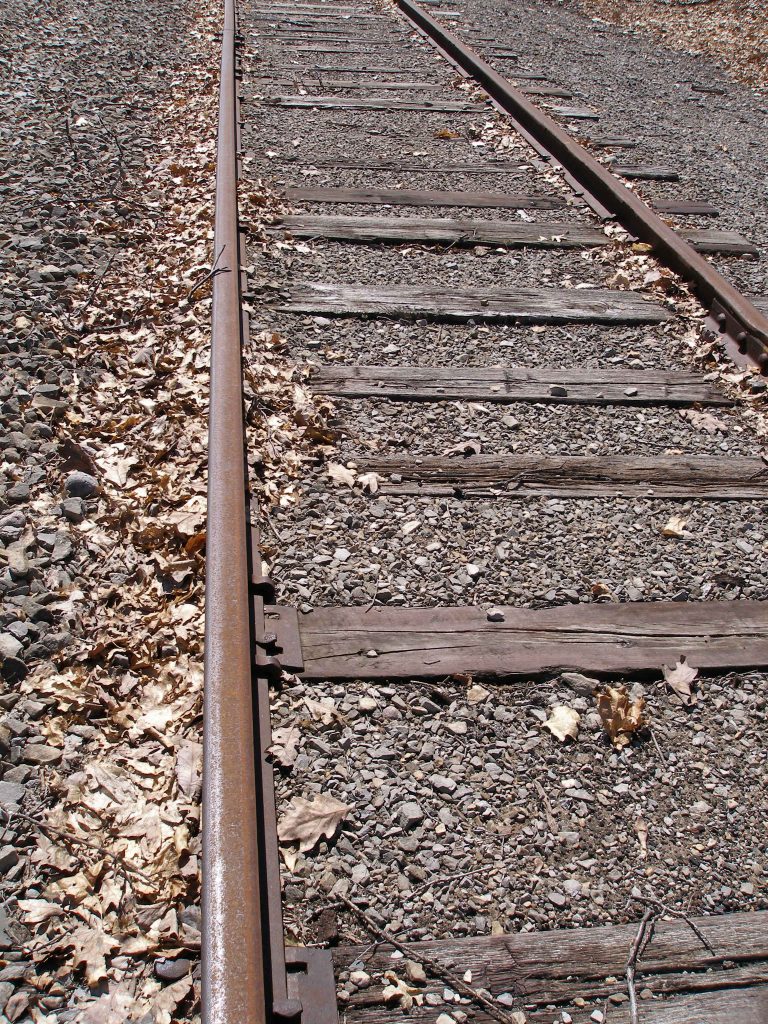
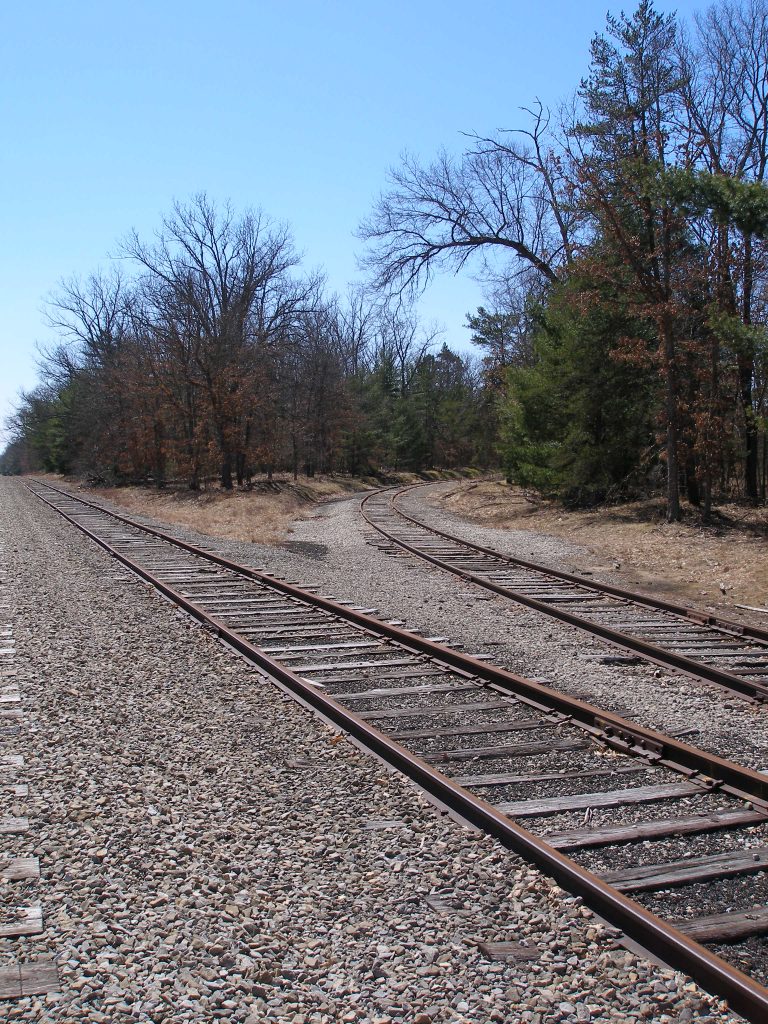
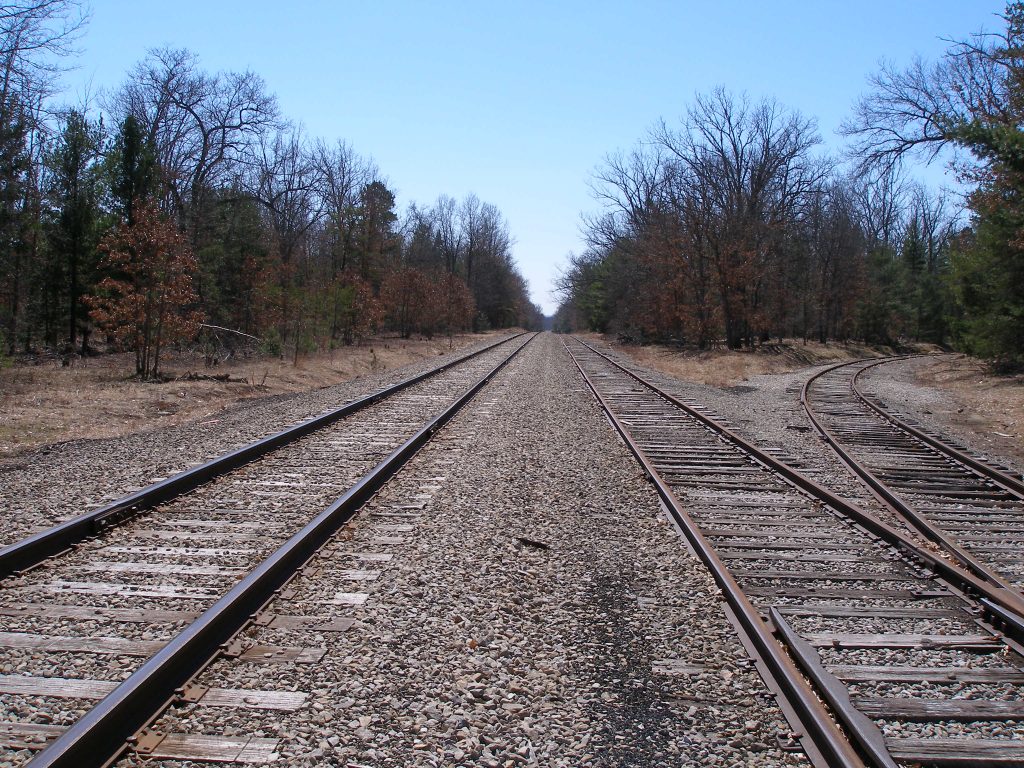
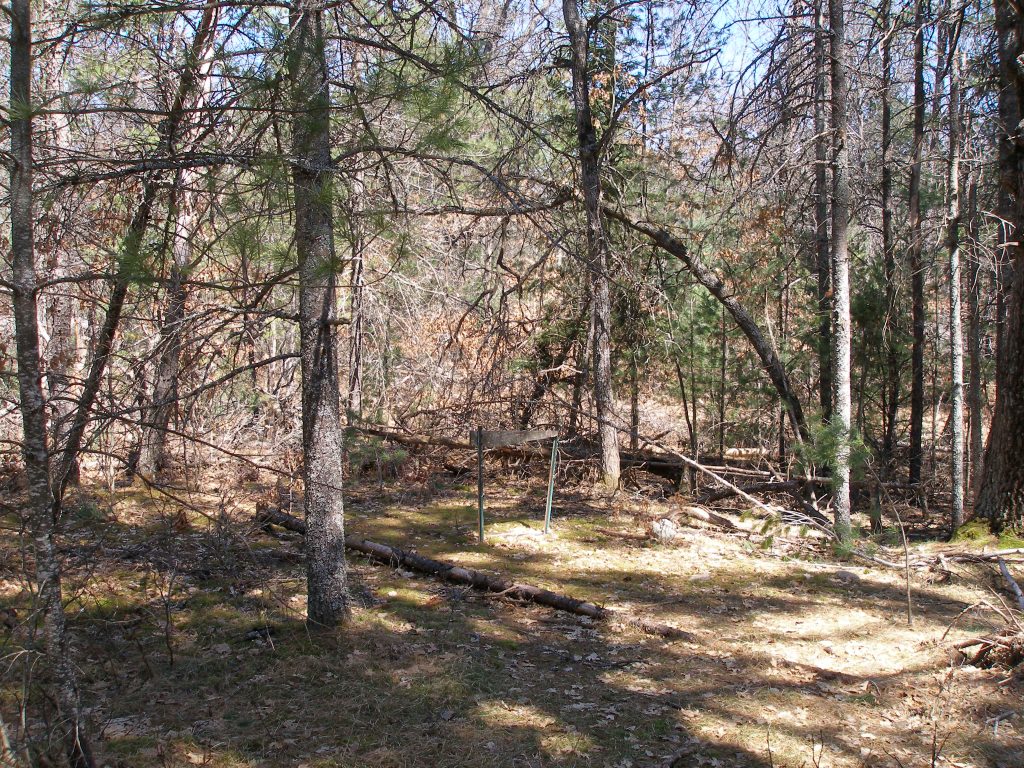
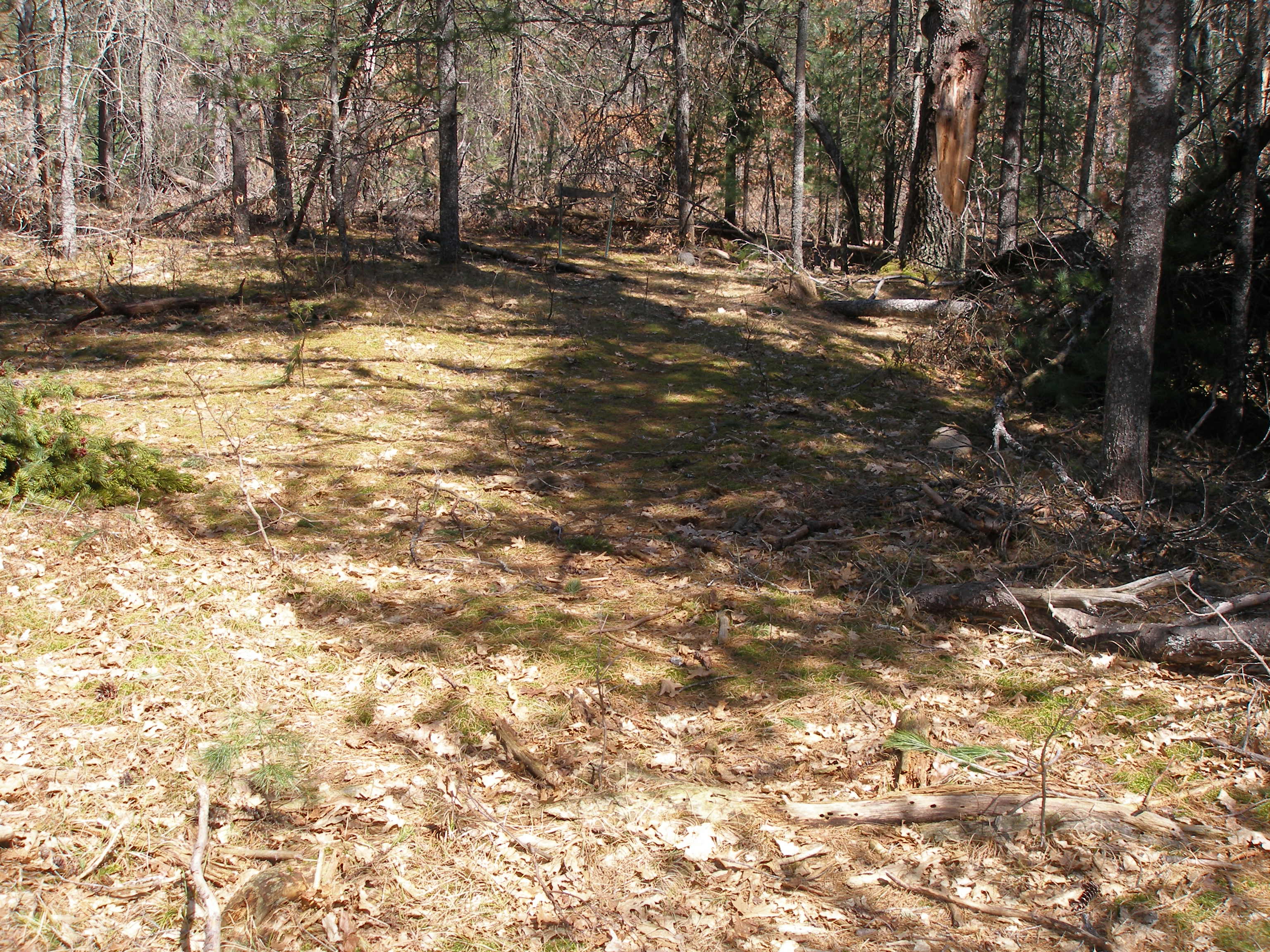
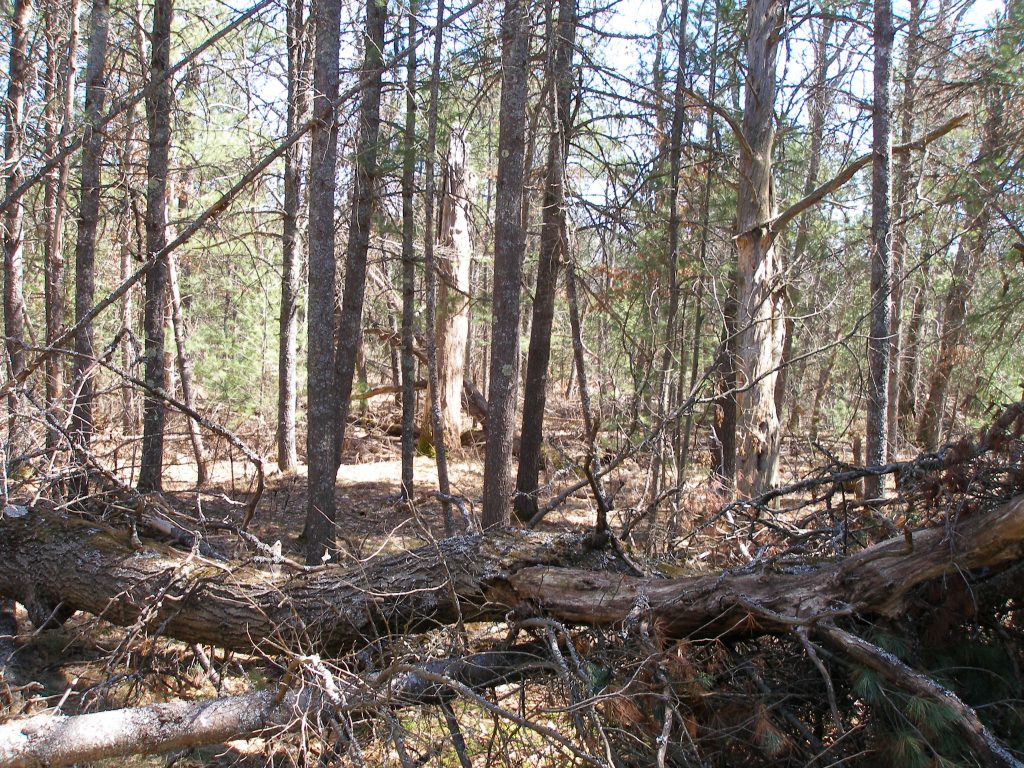
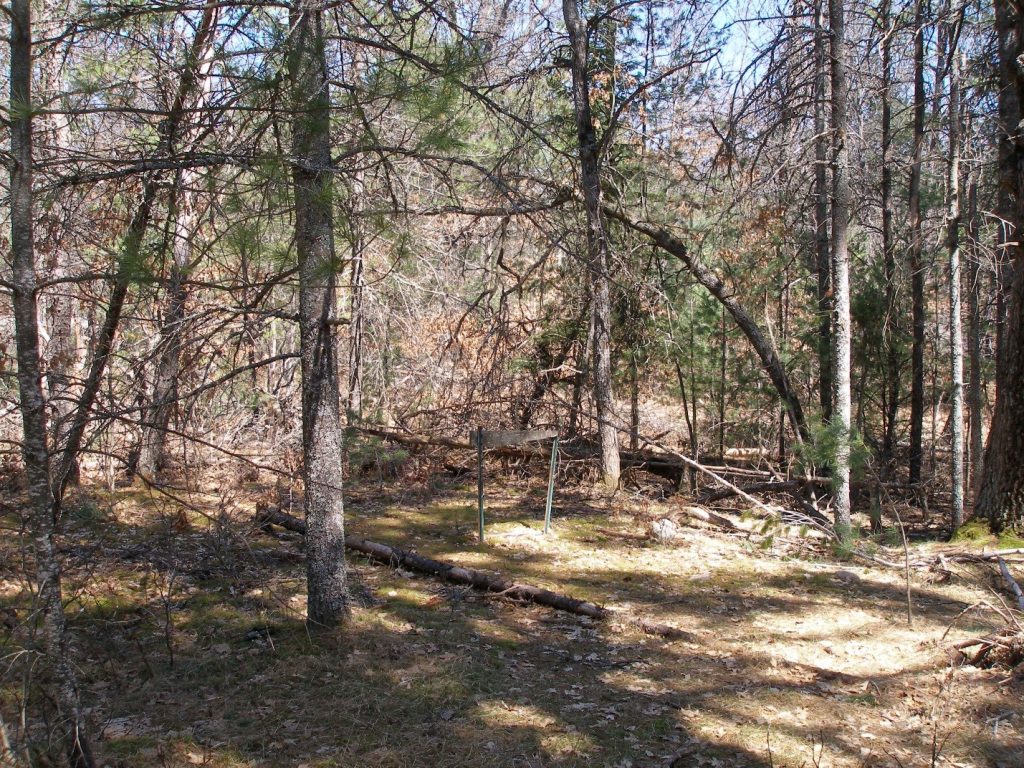
This is what remains of Walton Junction
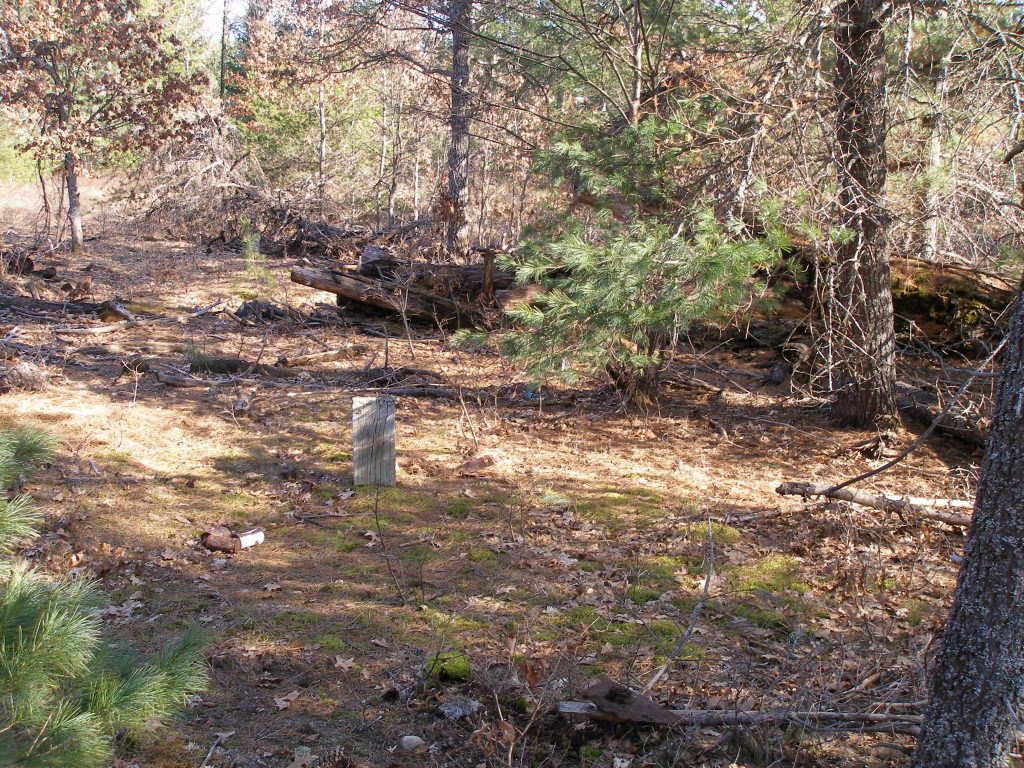
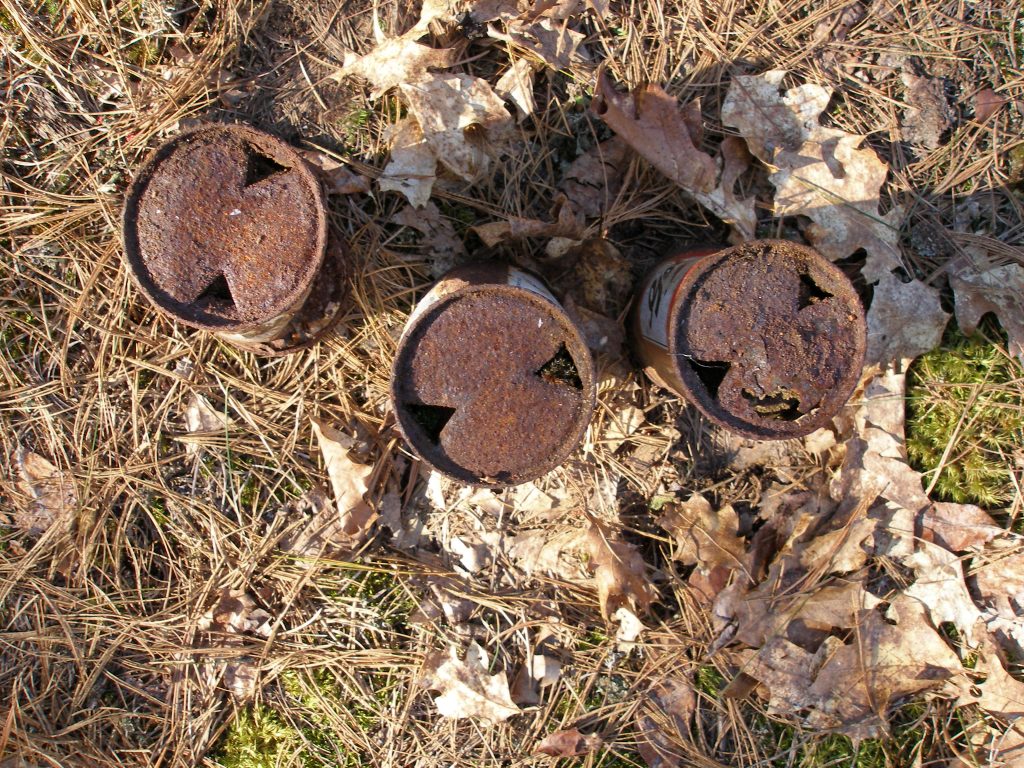
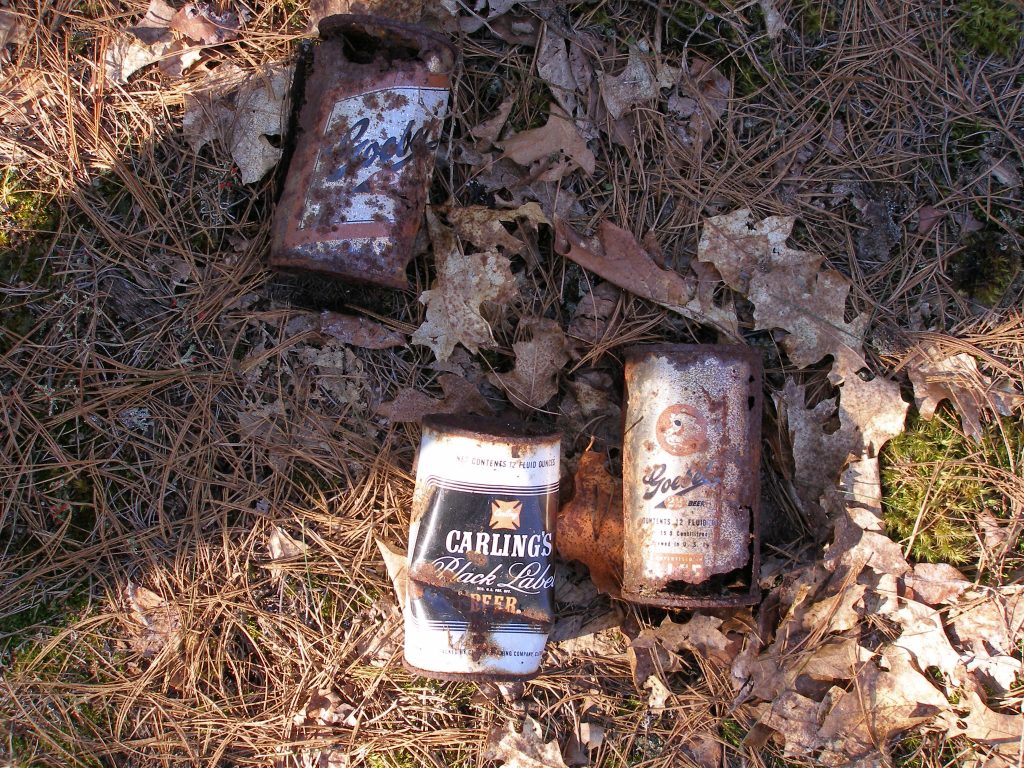
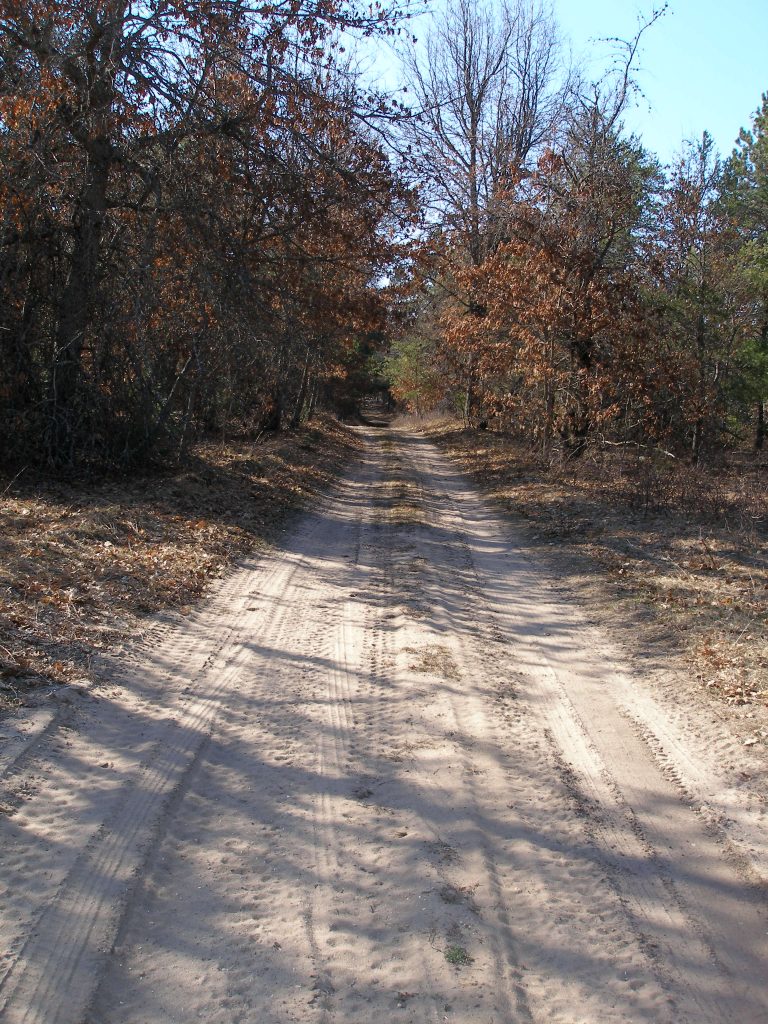
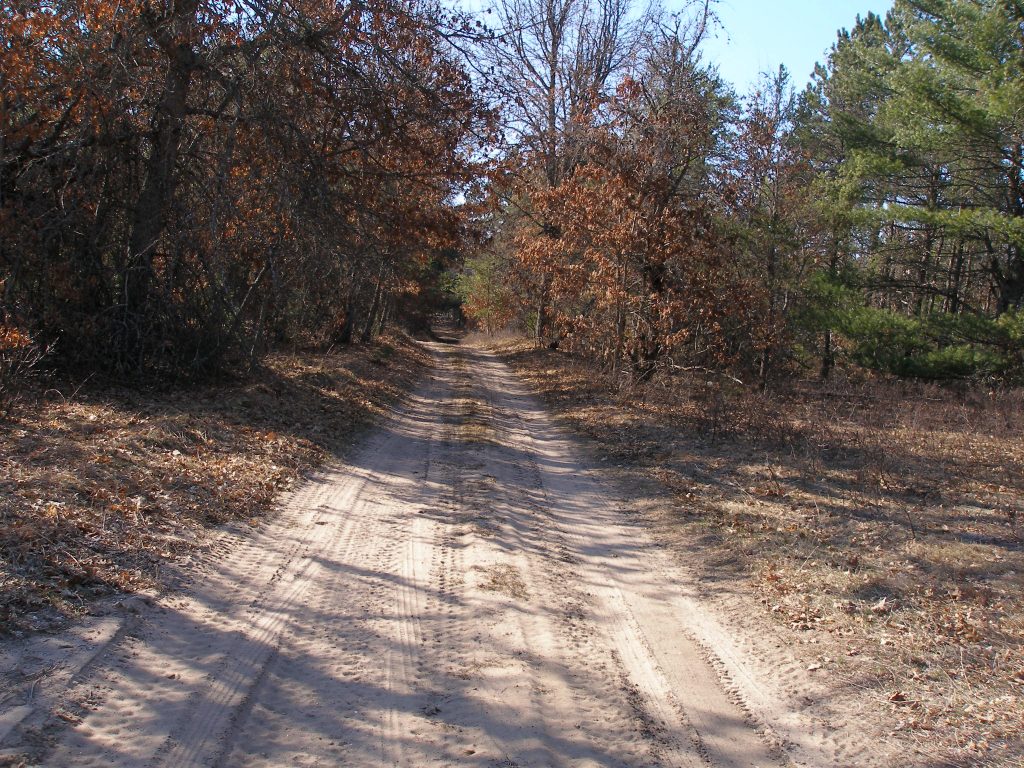
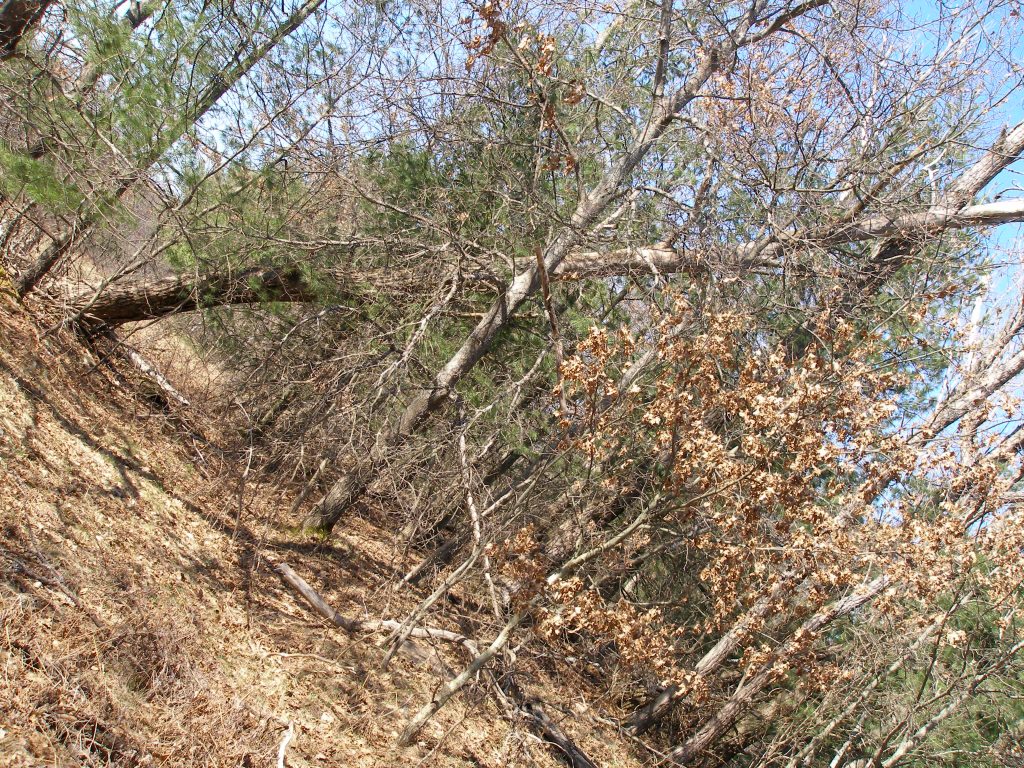
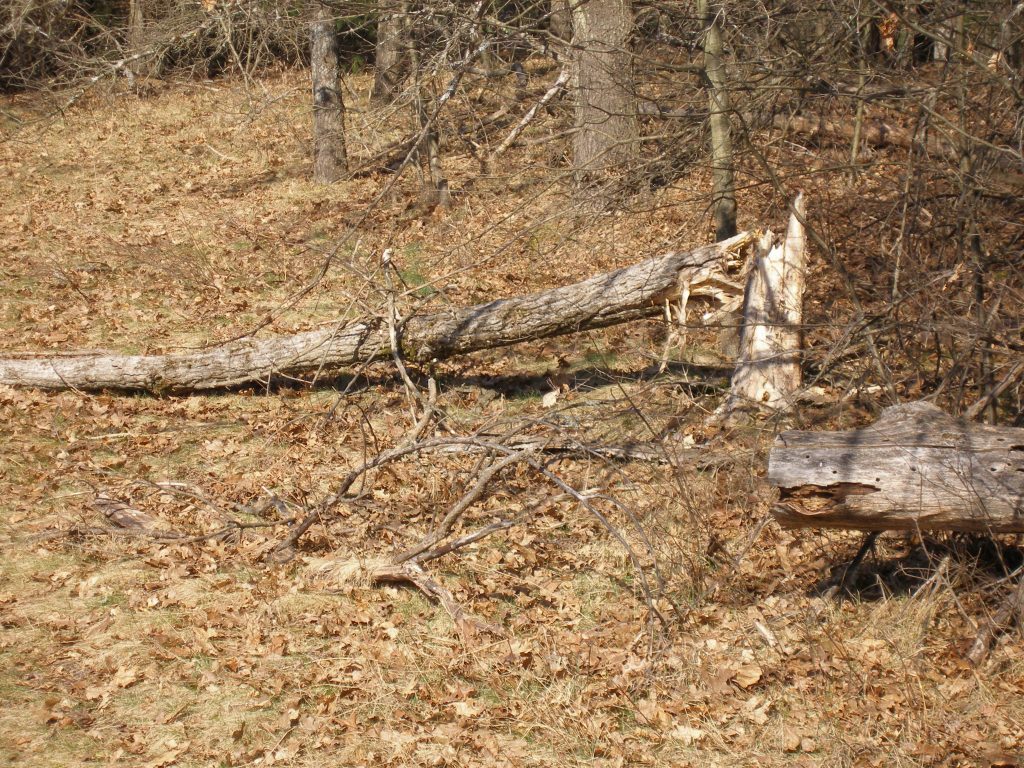
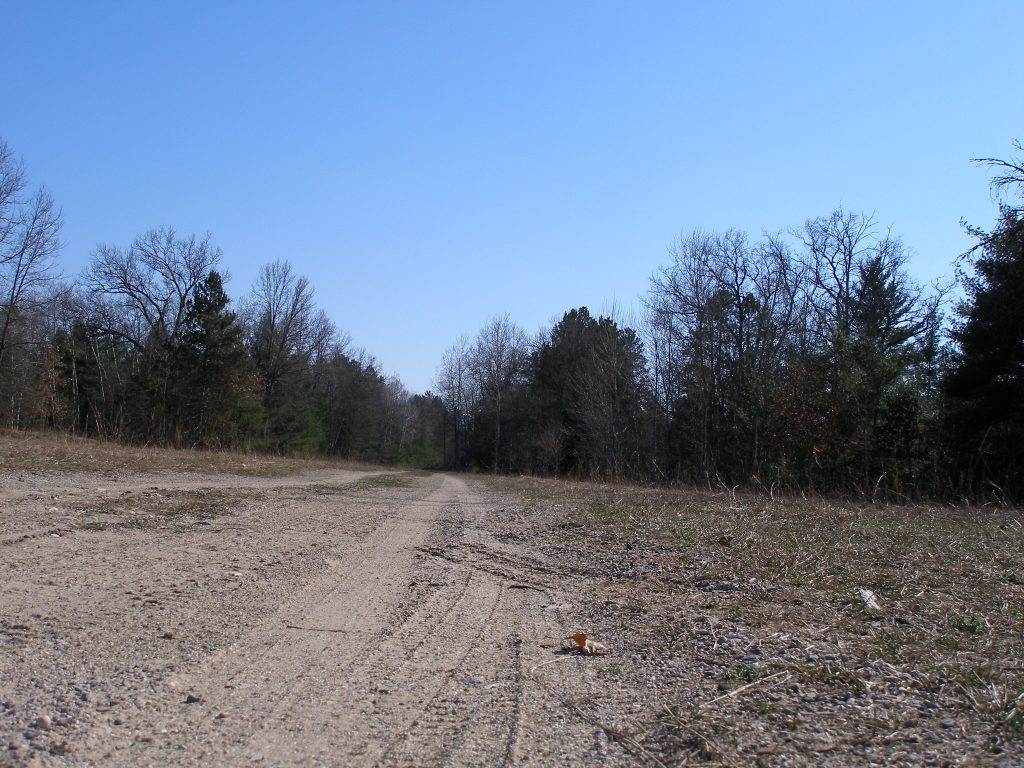
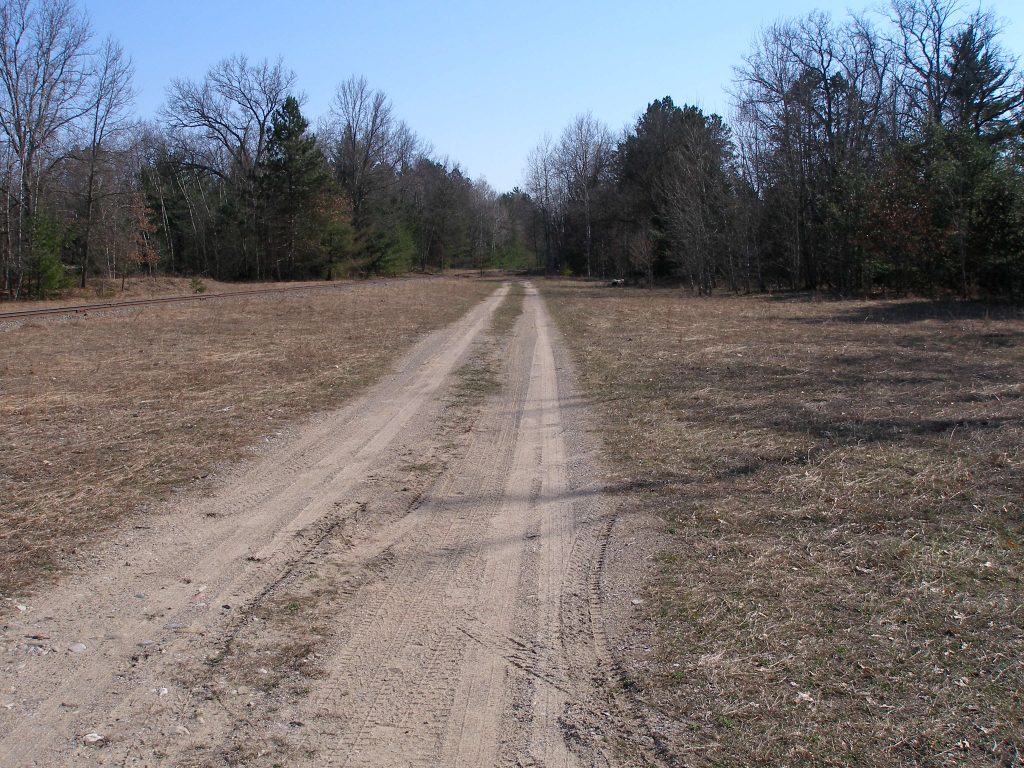
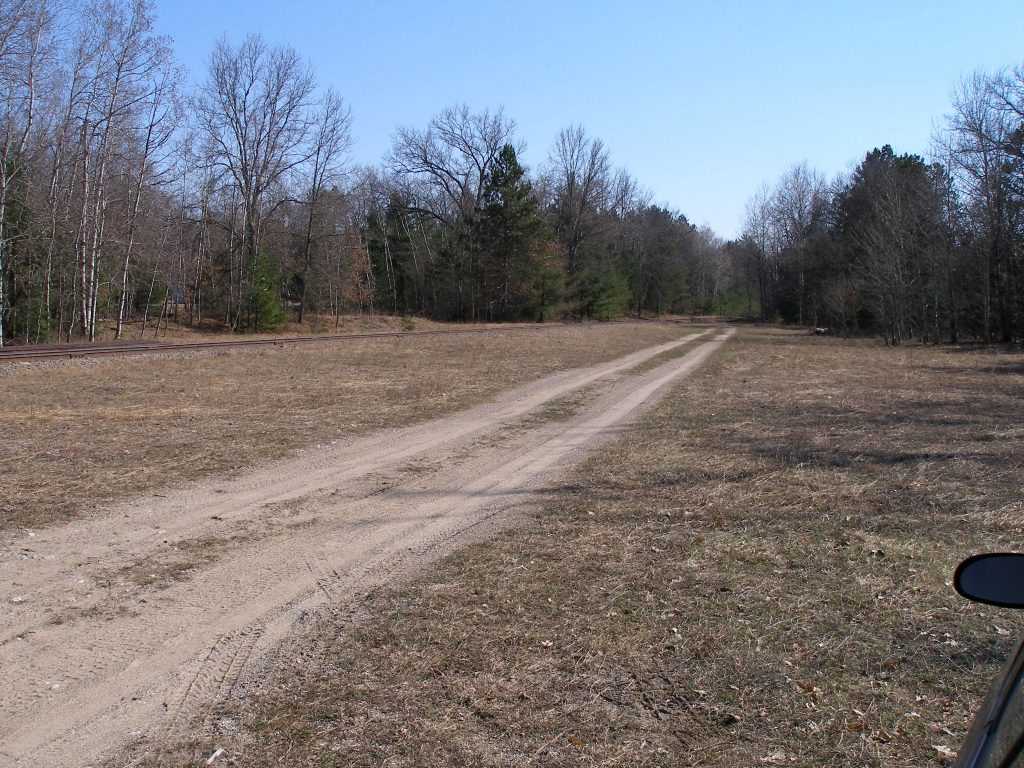
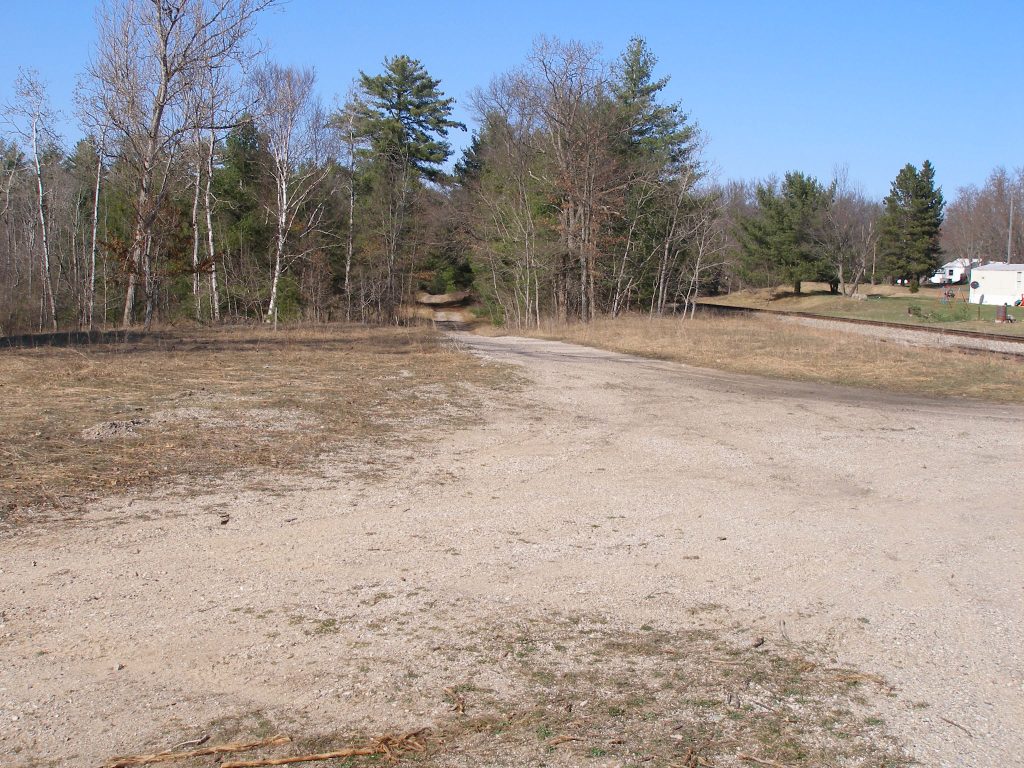
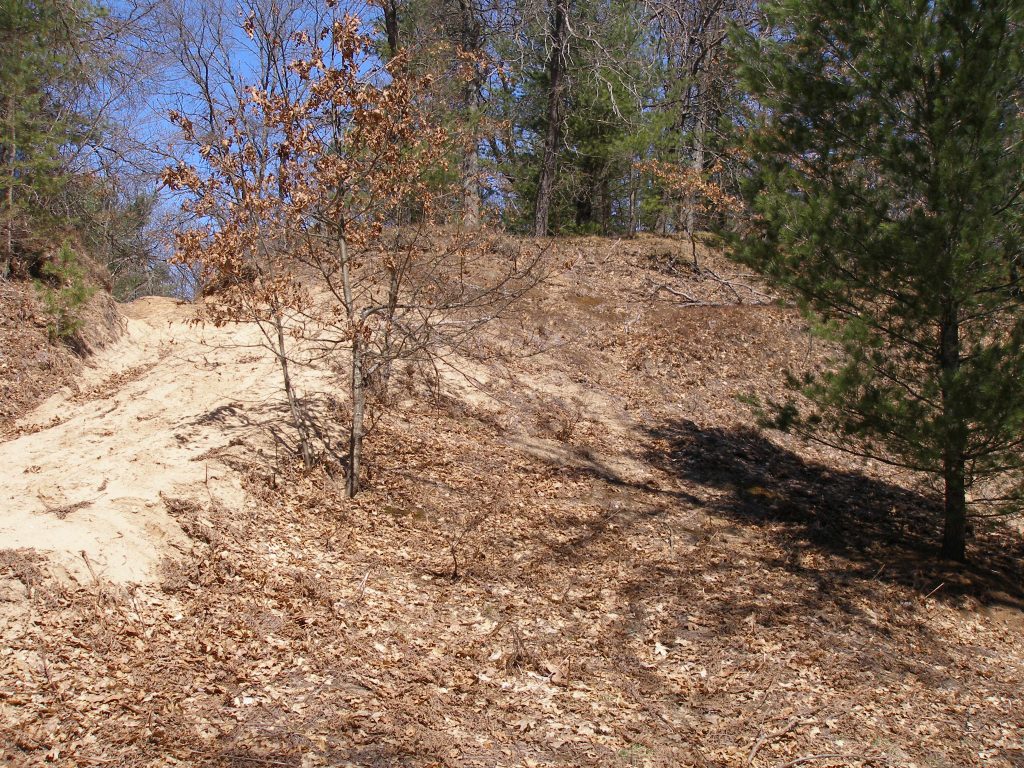
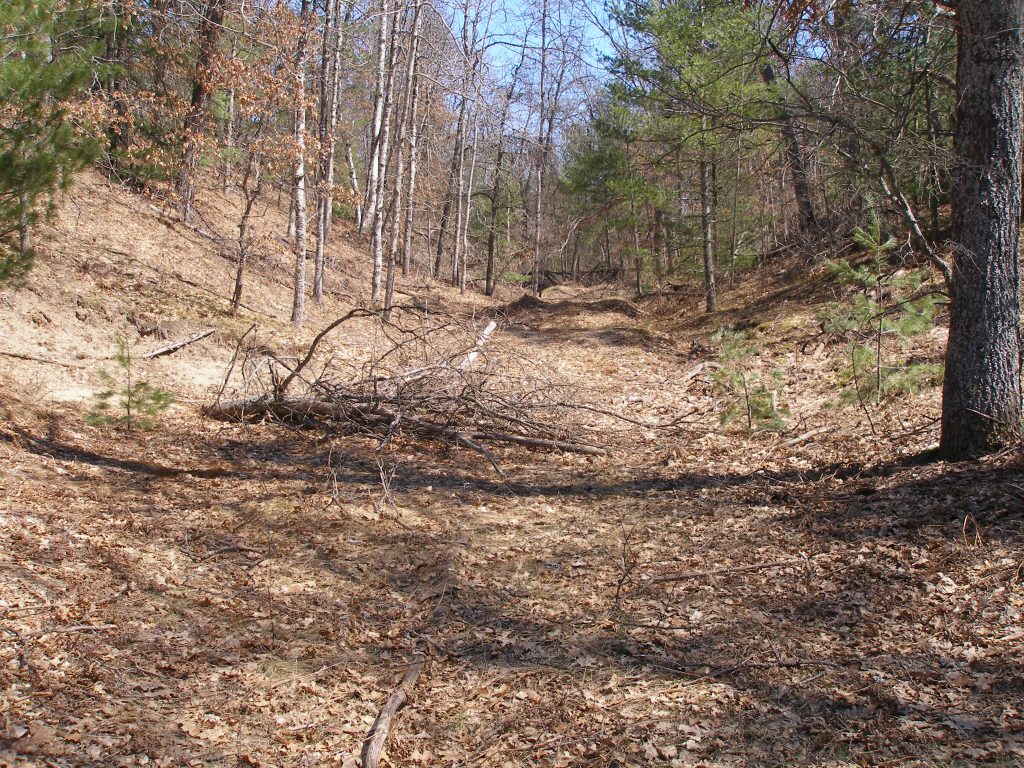
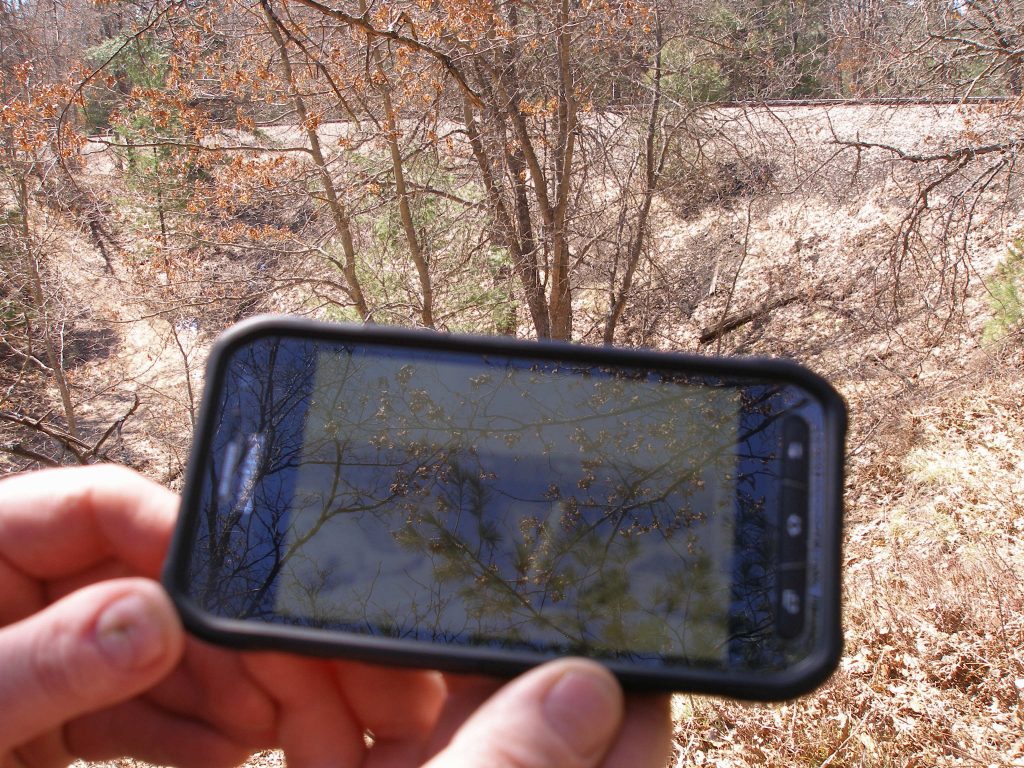
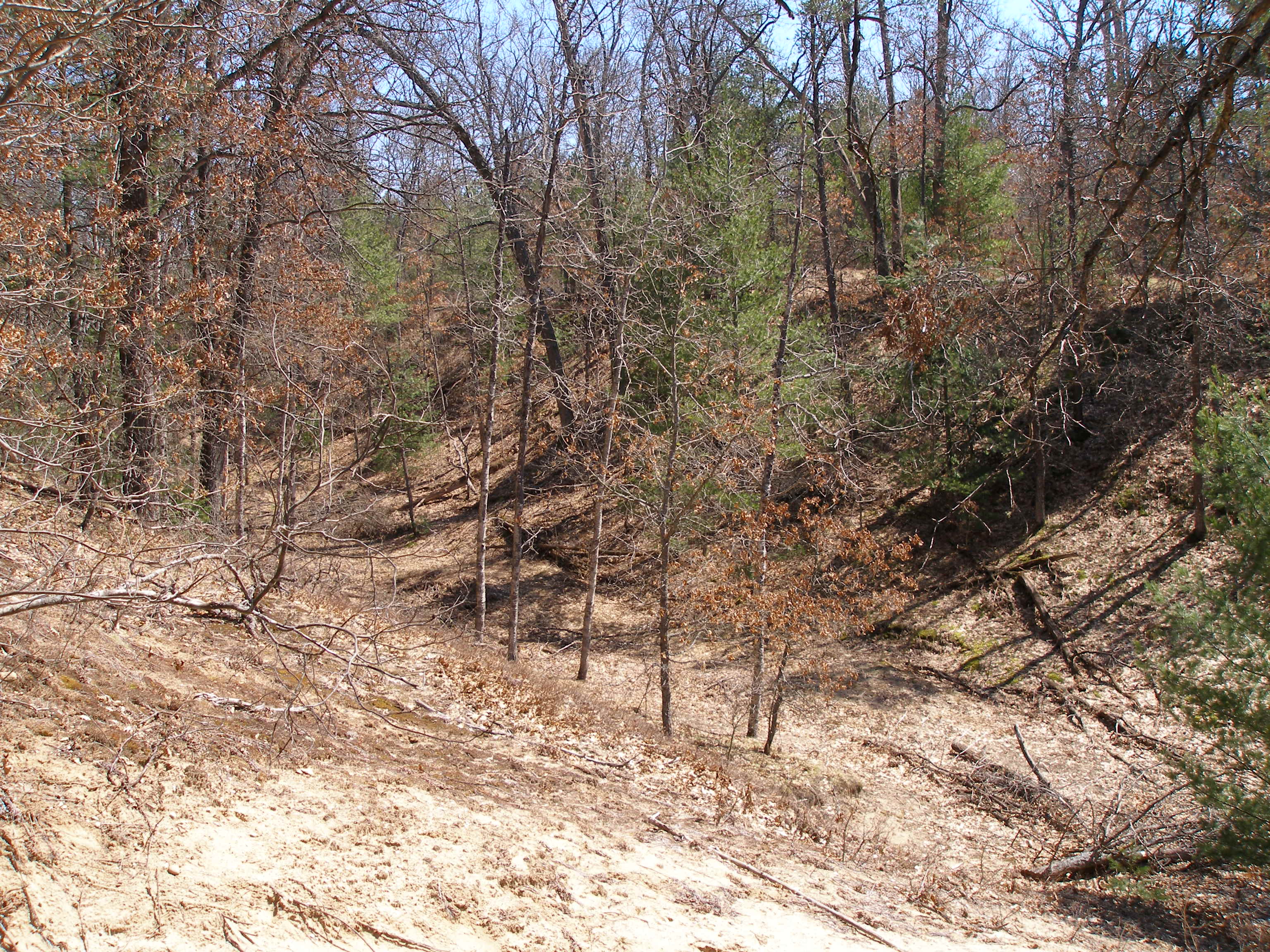
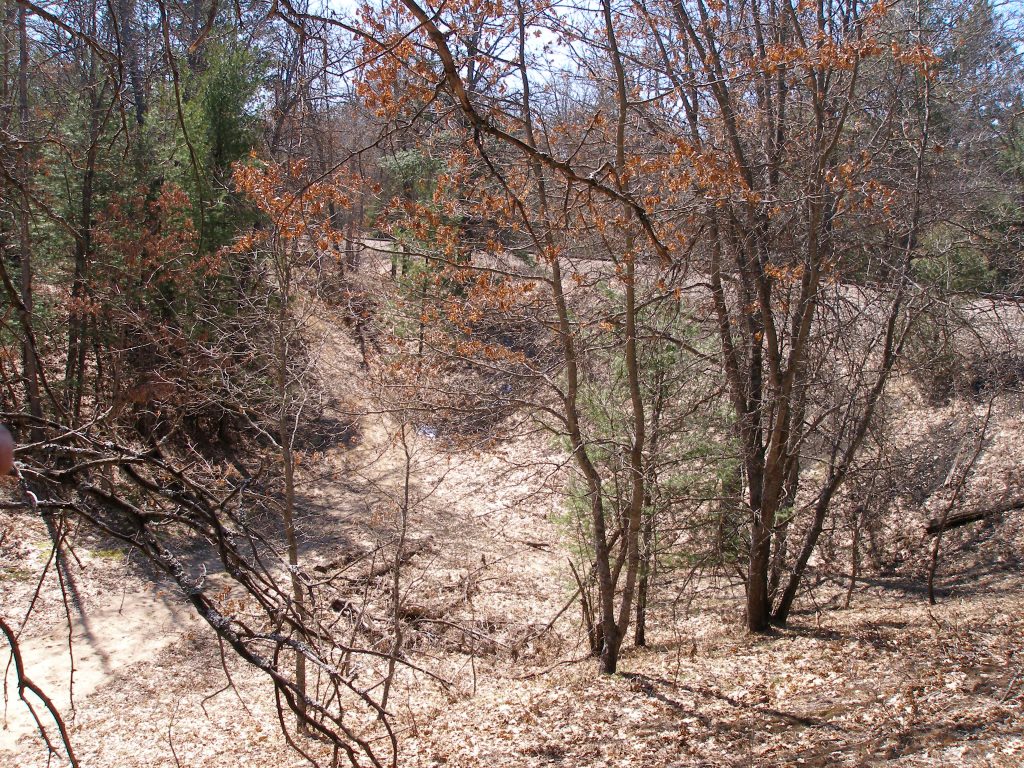
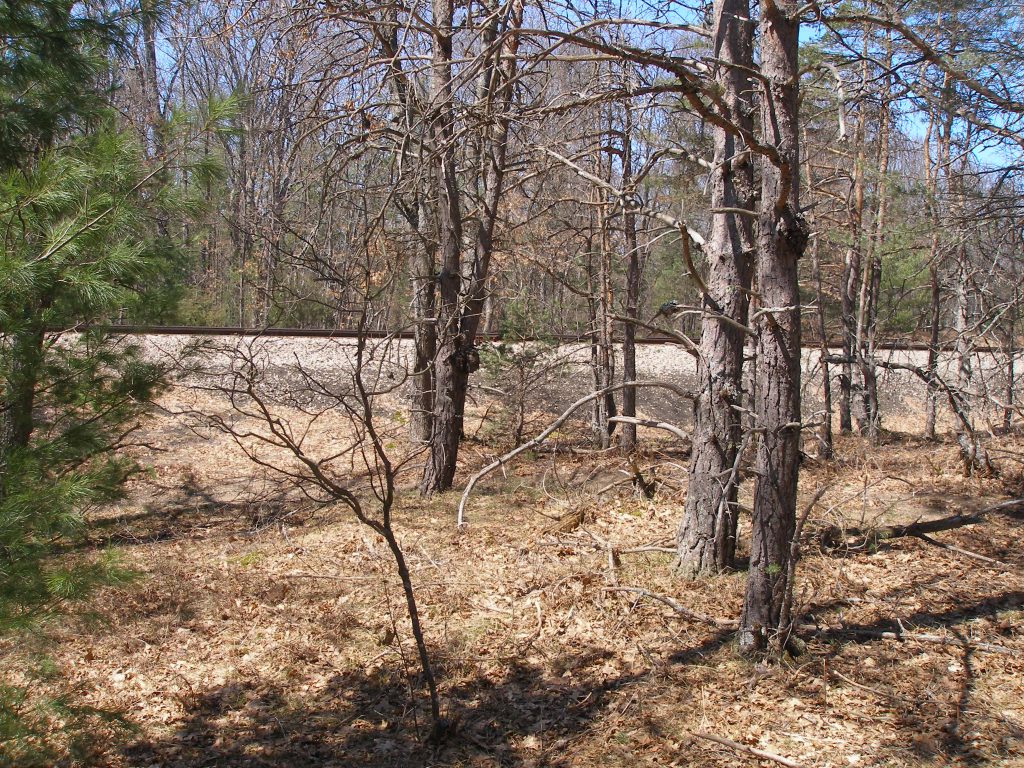
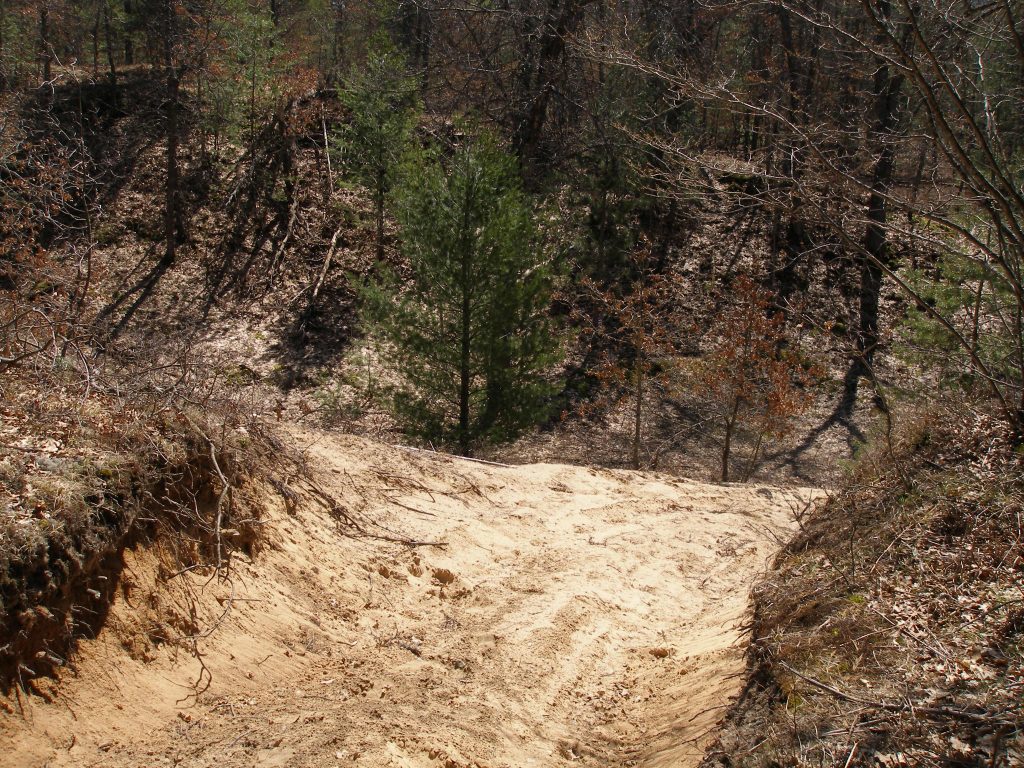
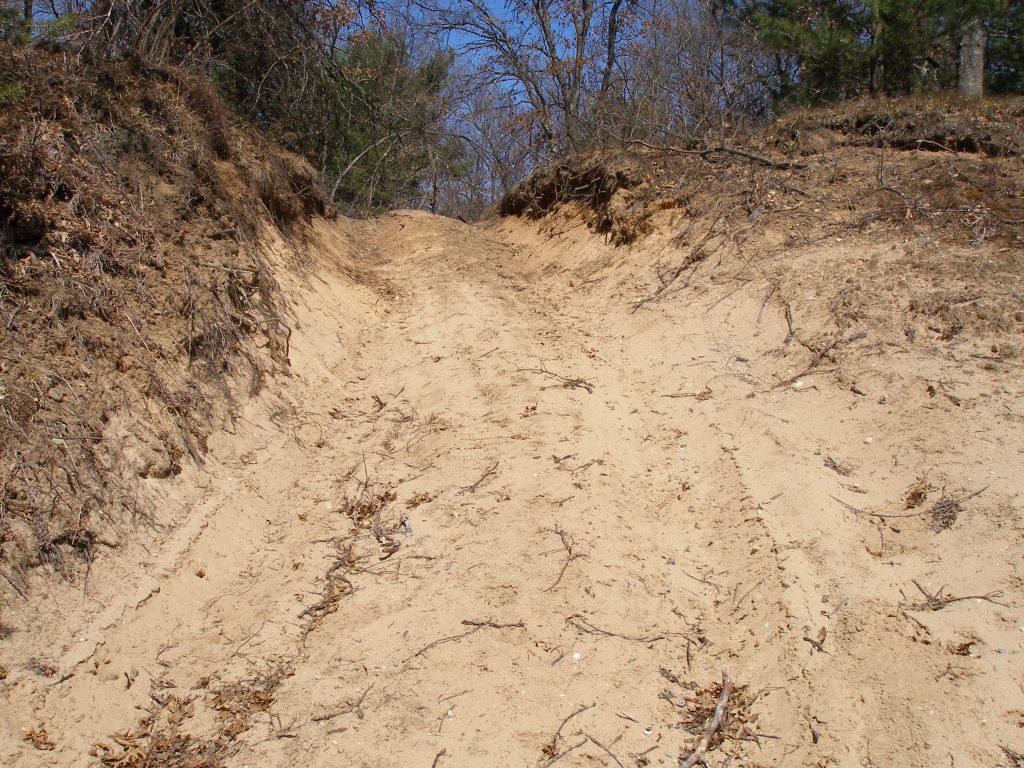
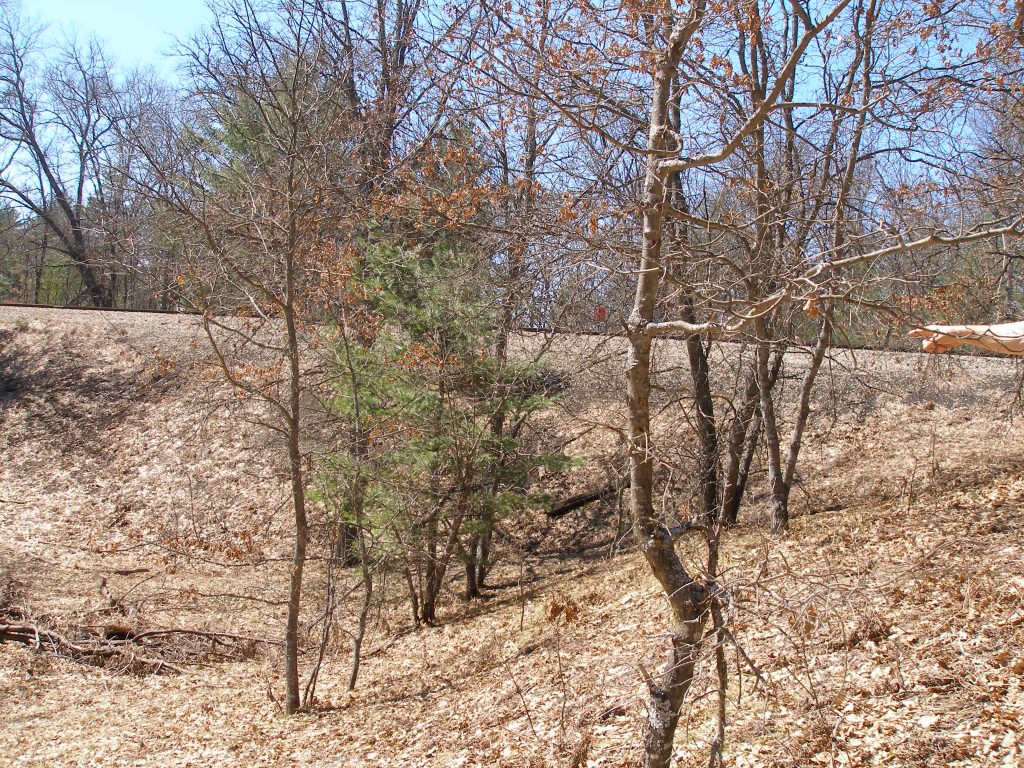
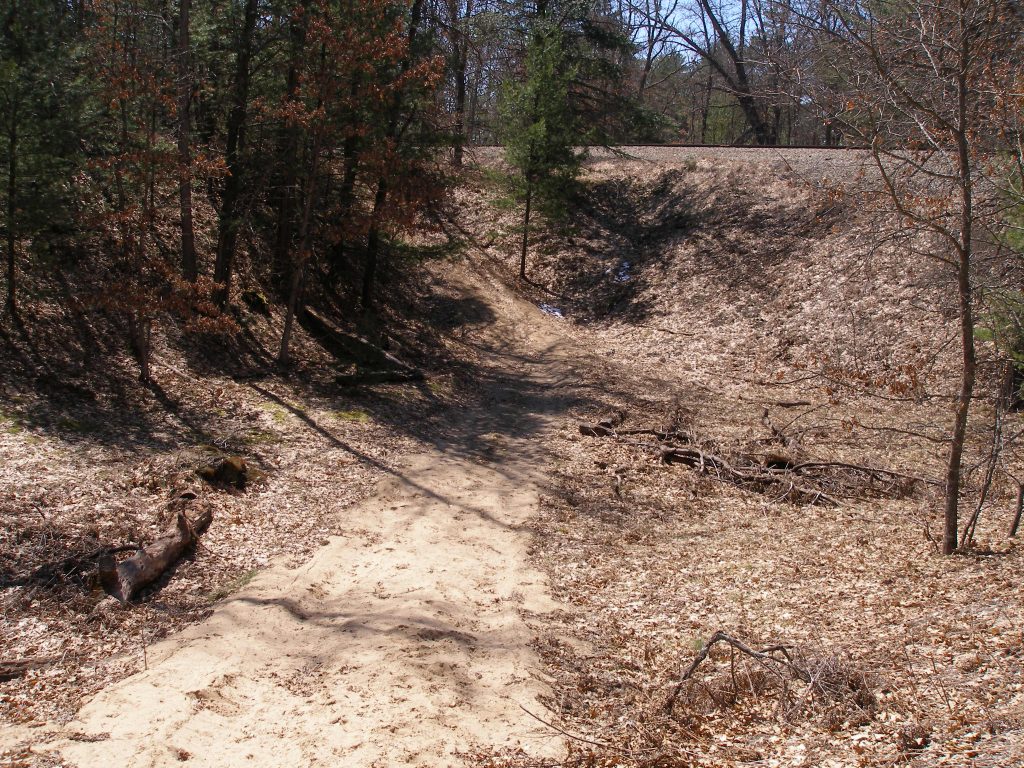
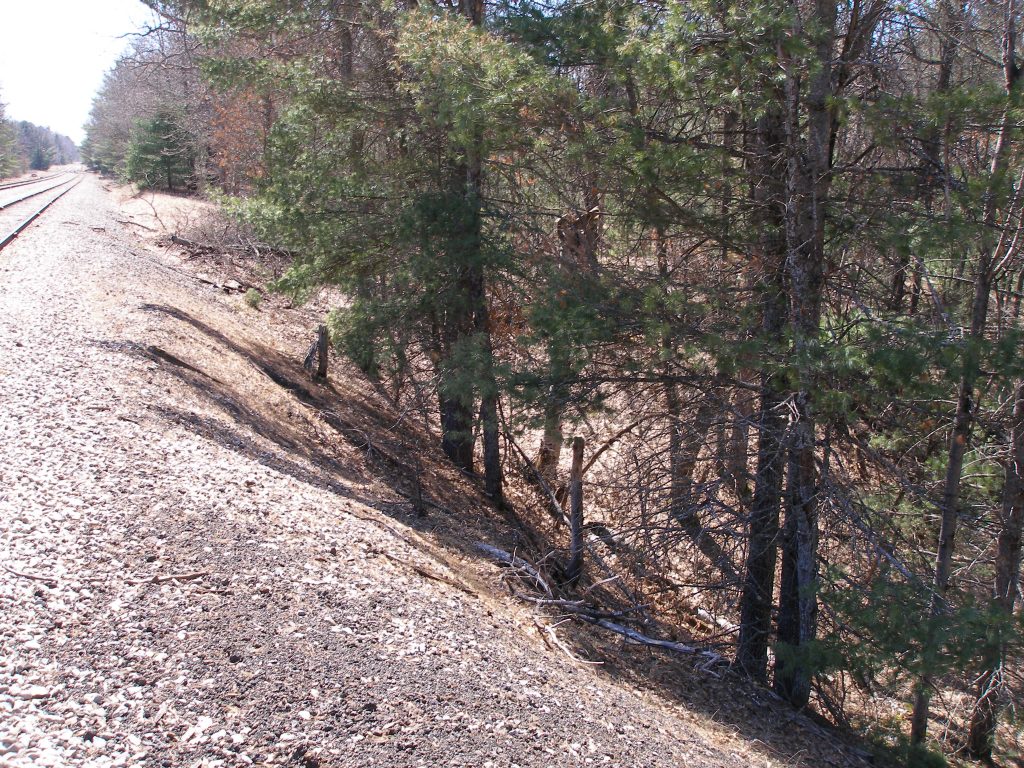
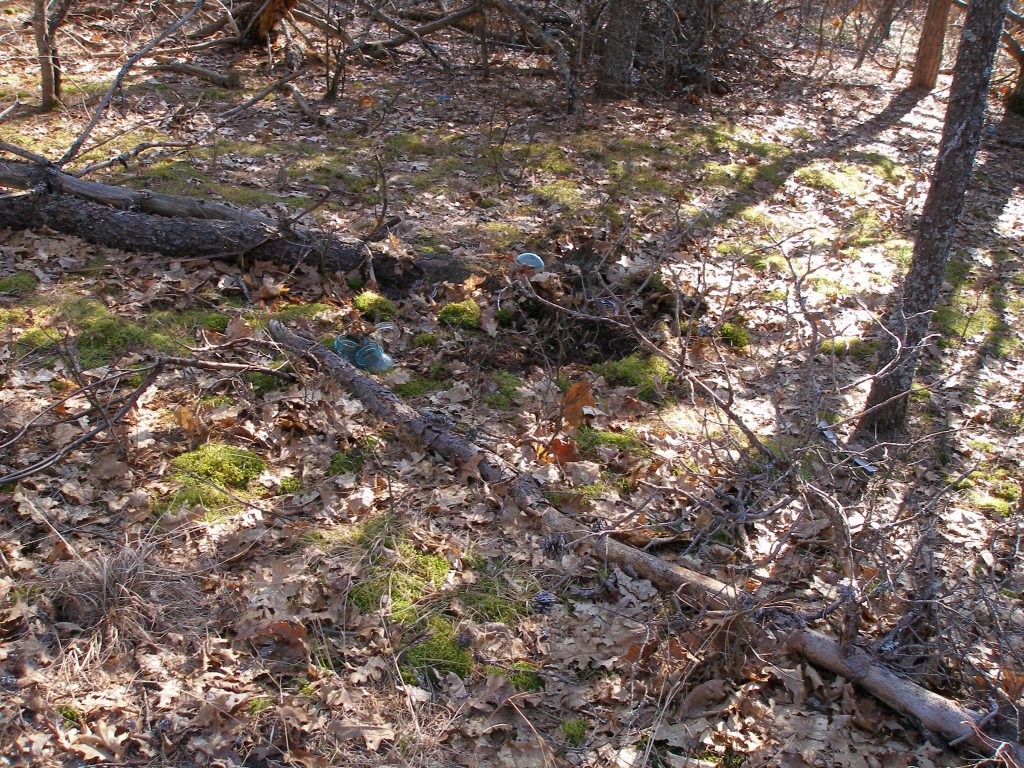
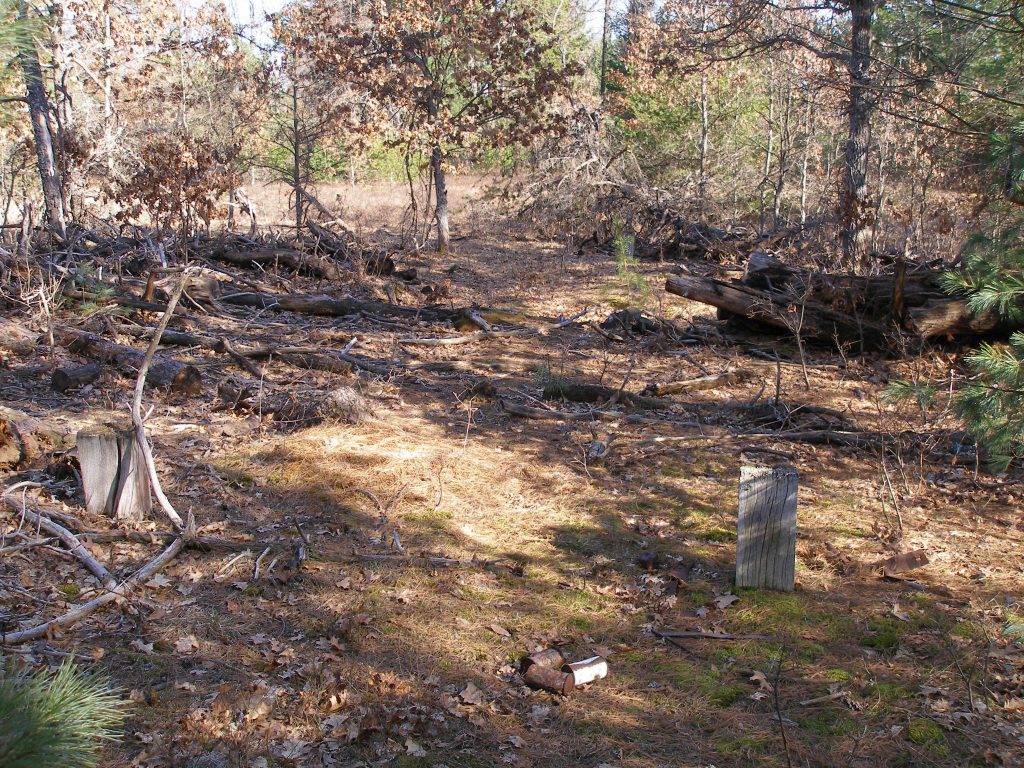
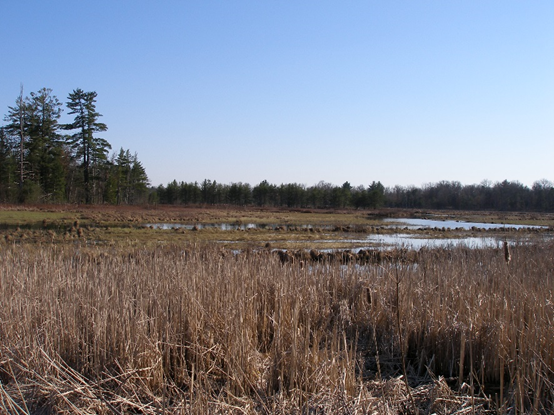
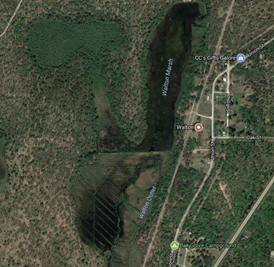
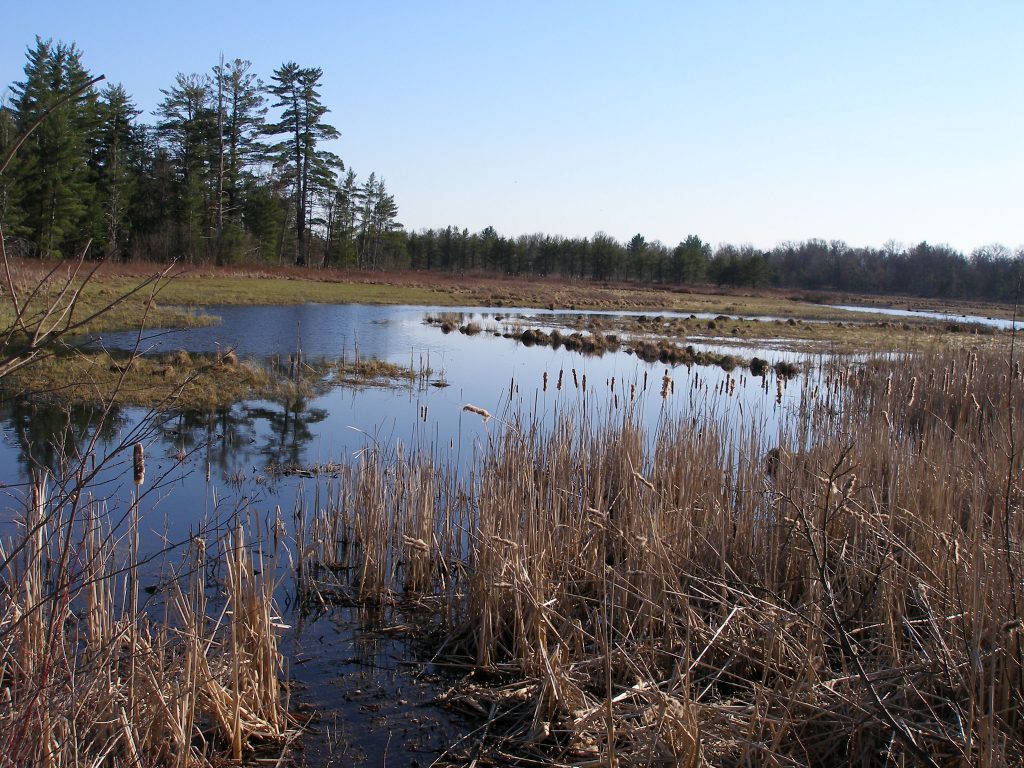
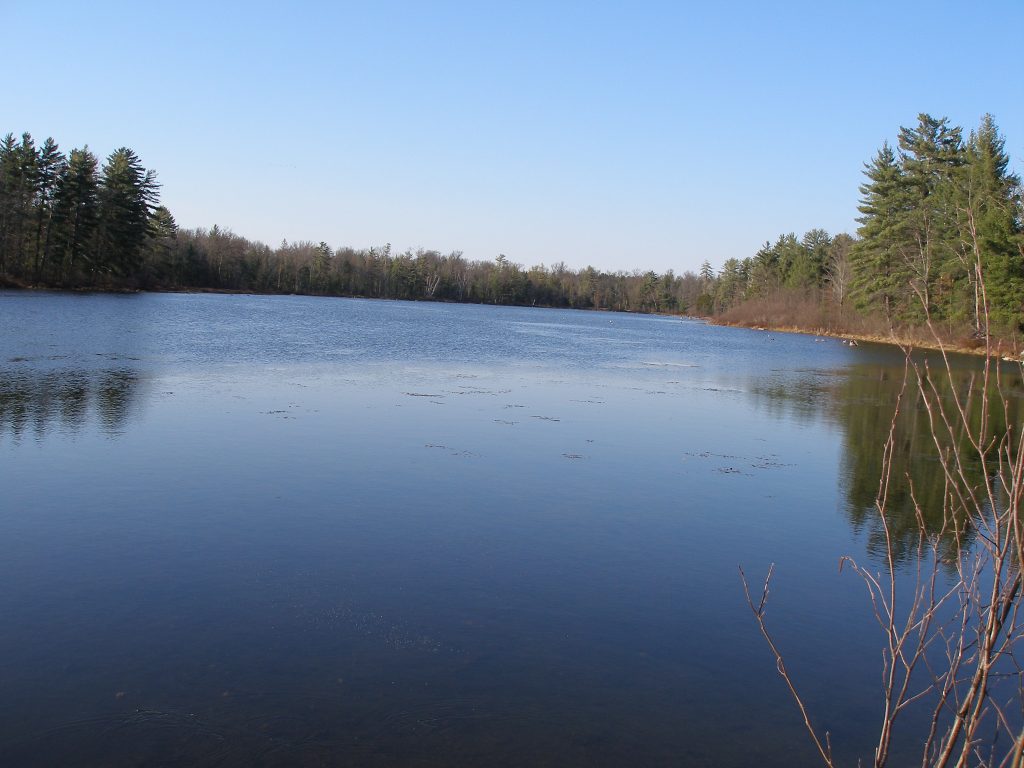
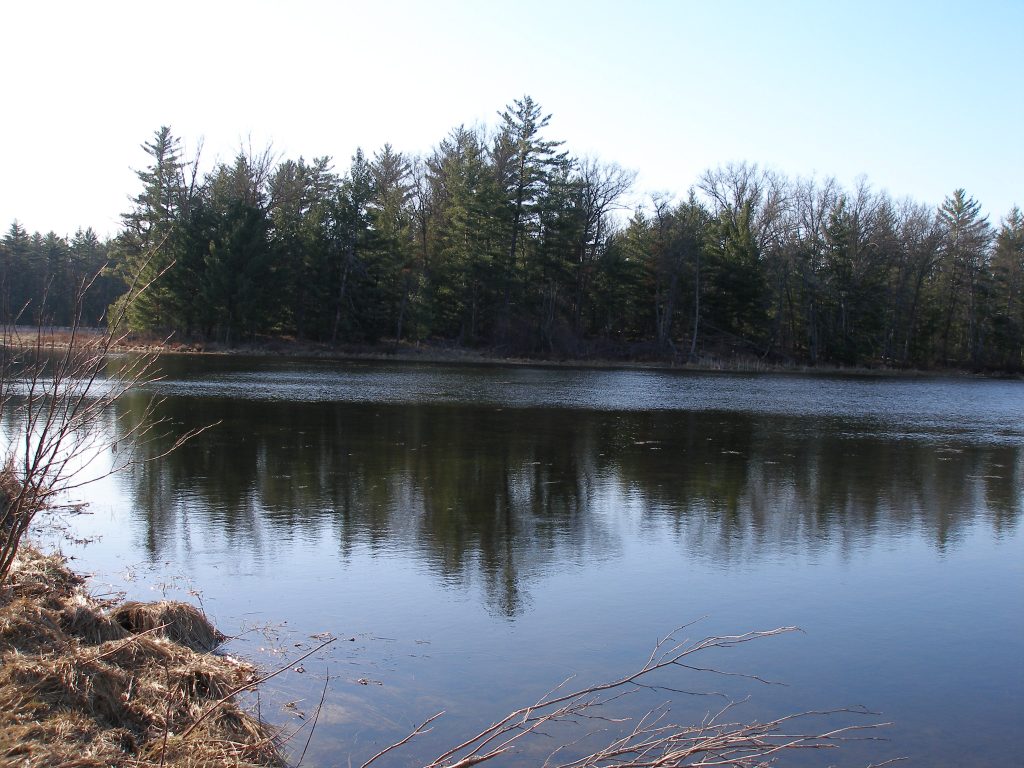
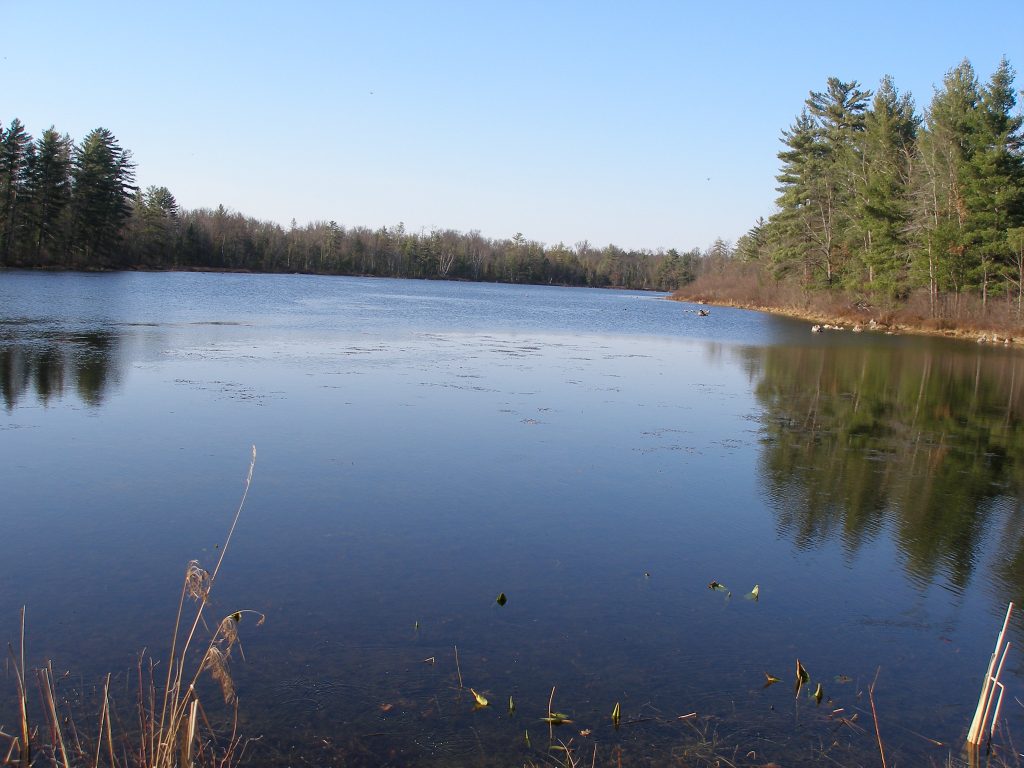
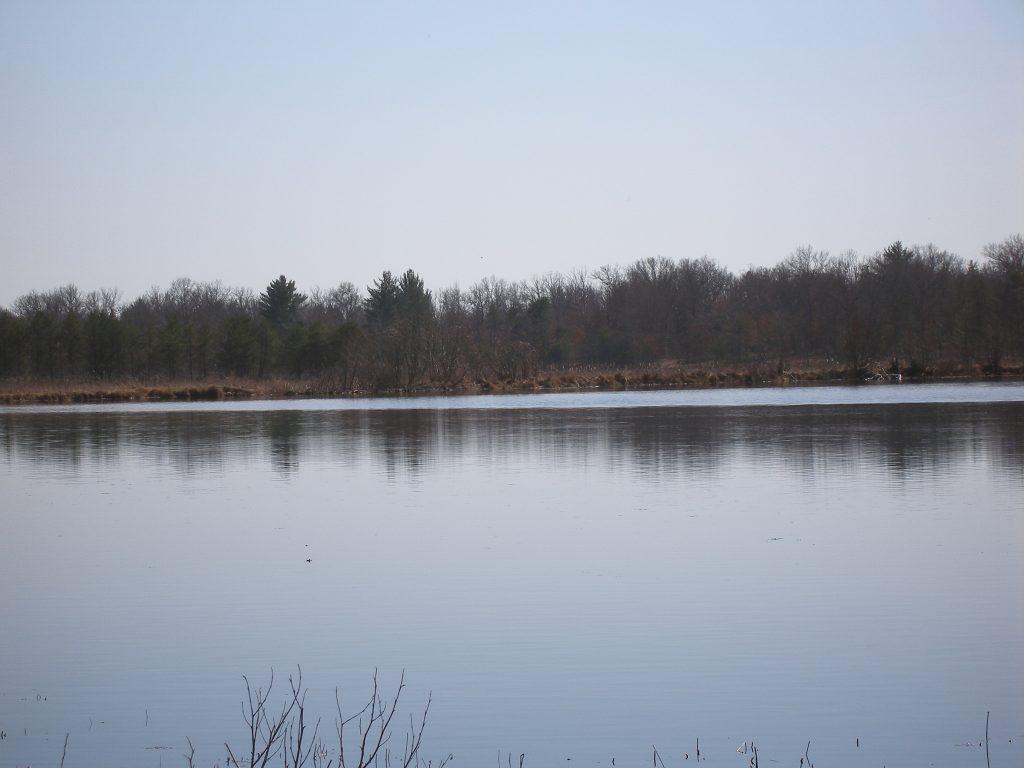
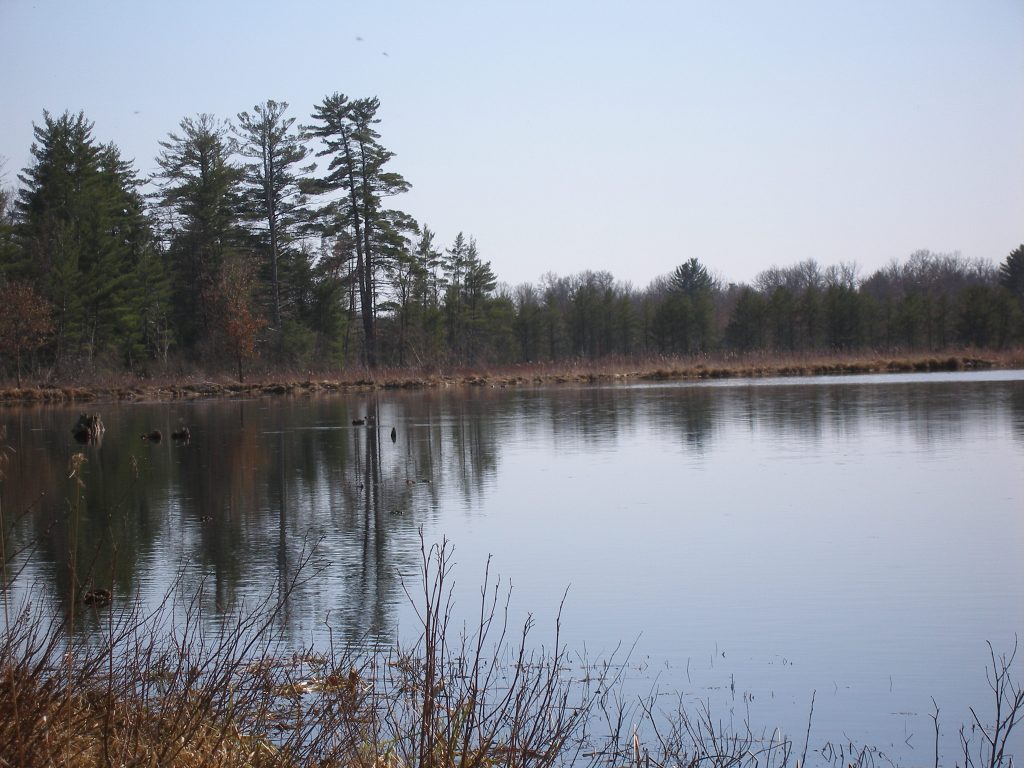
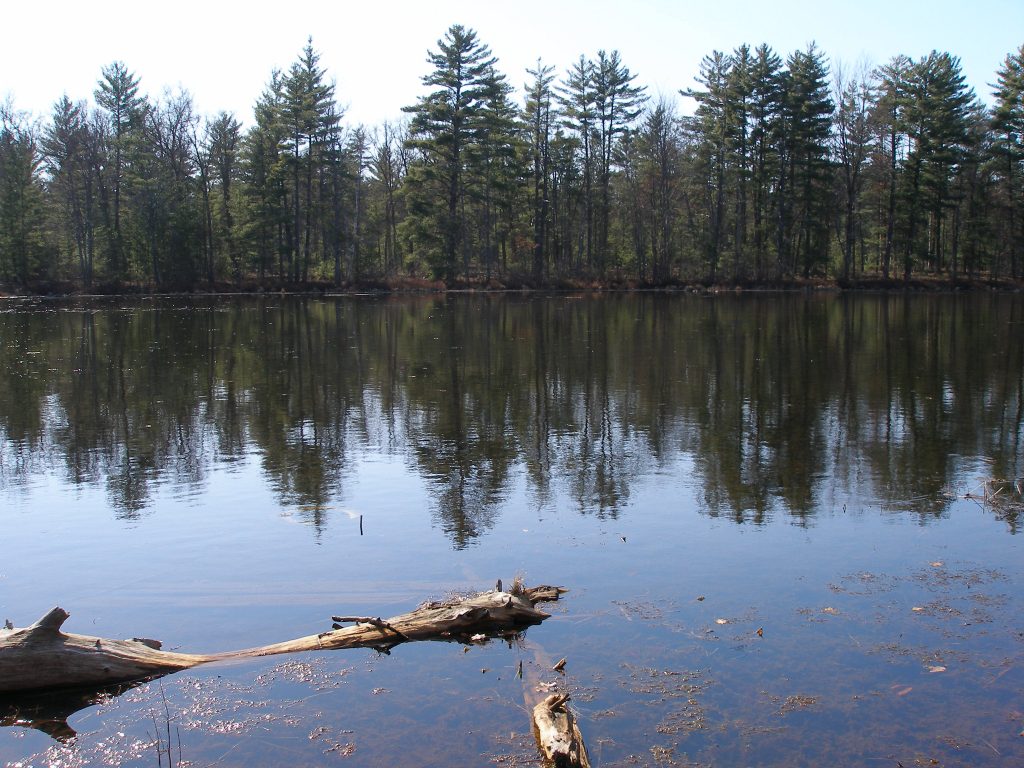
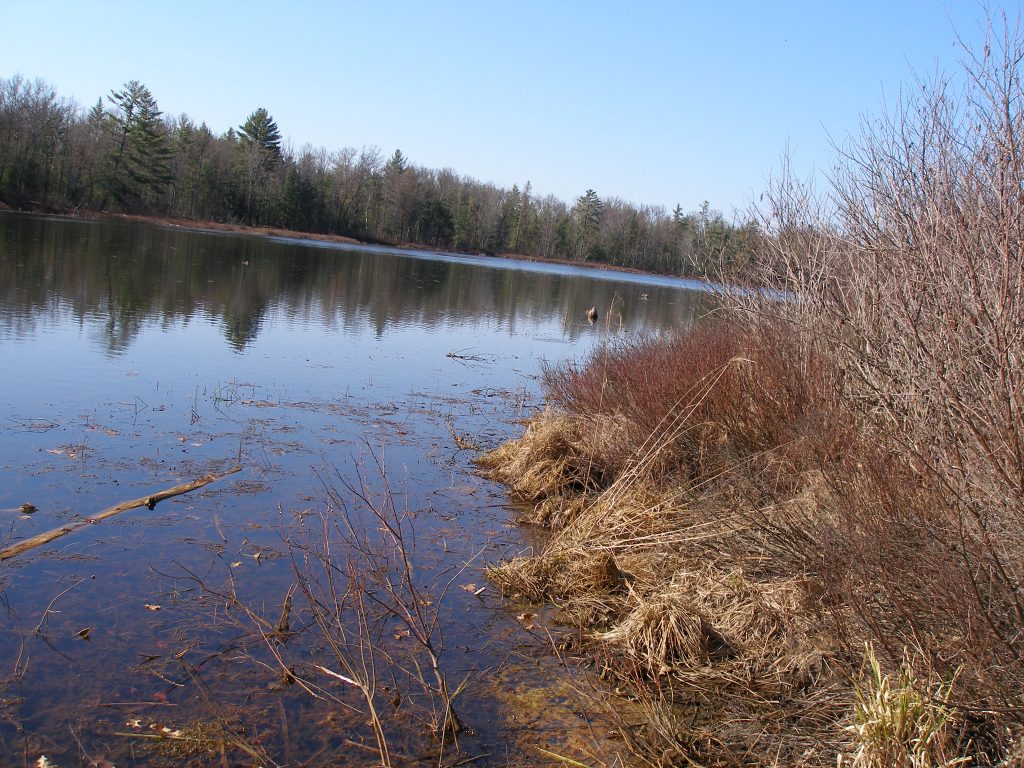
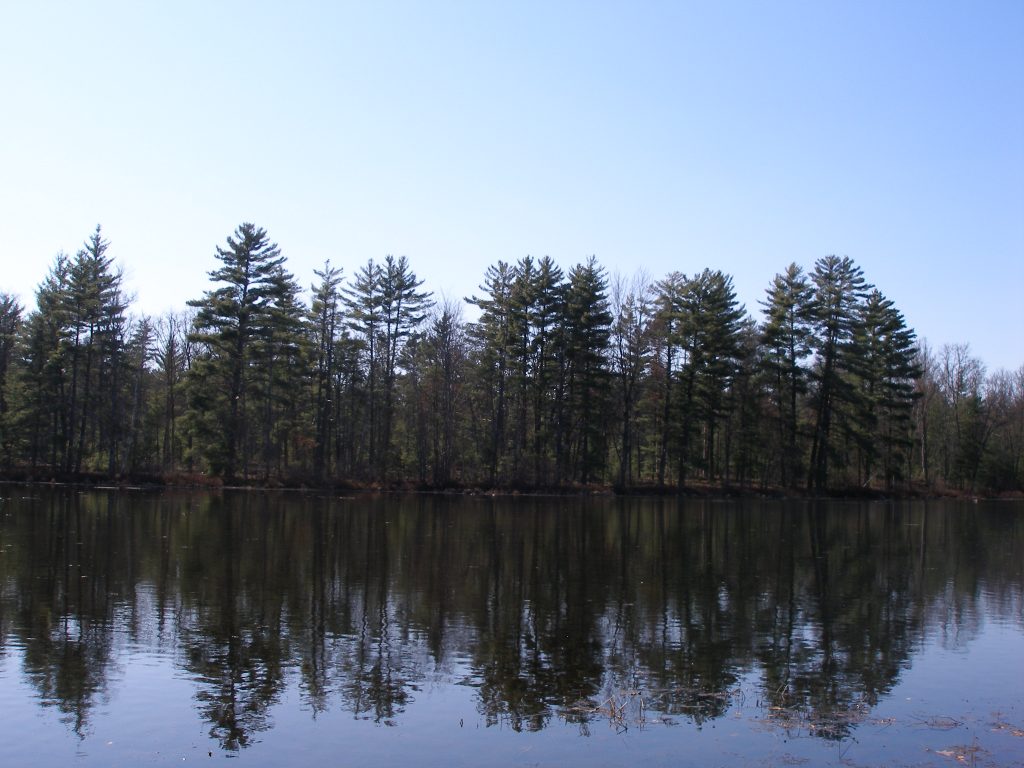
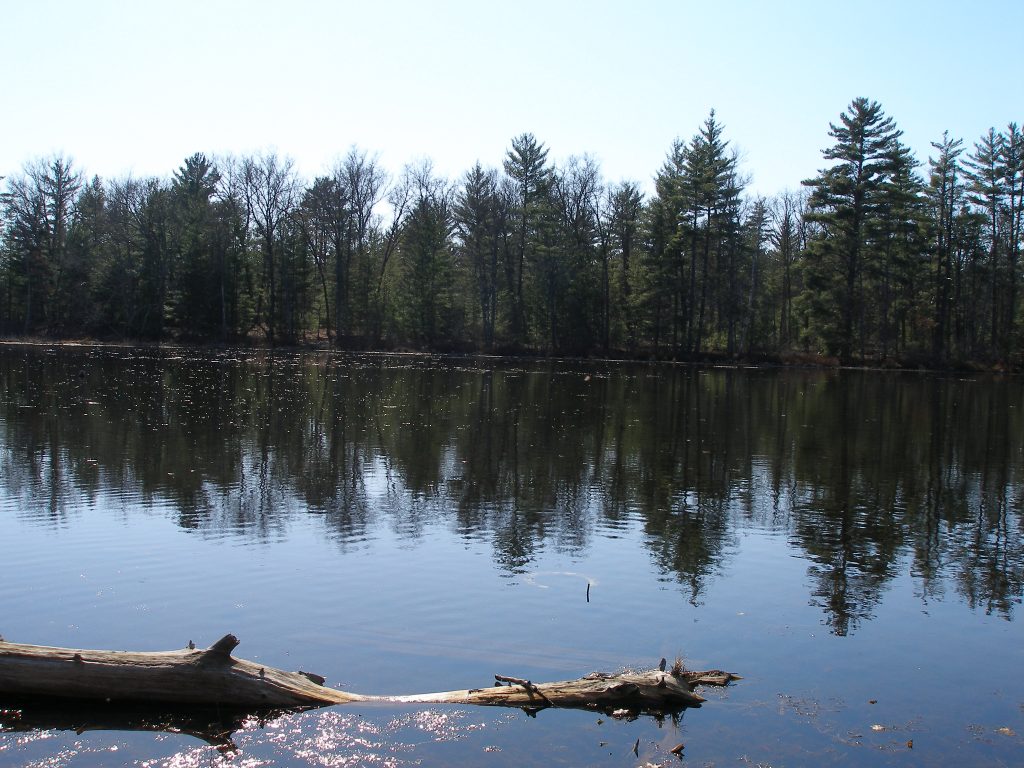
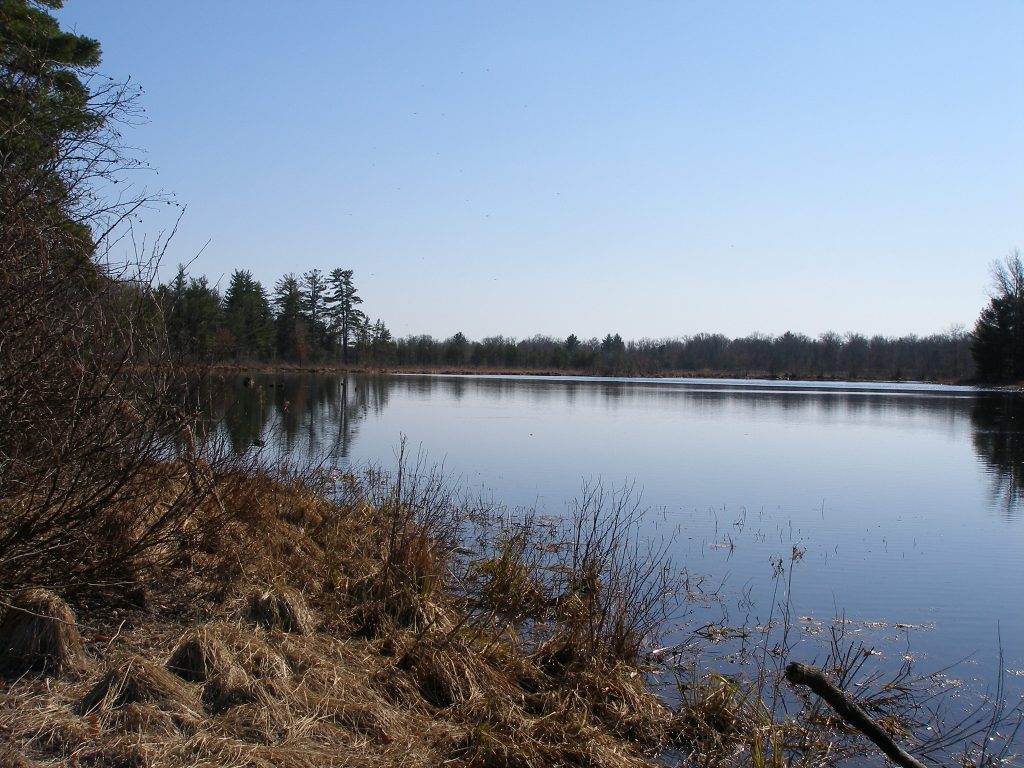
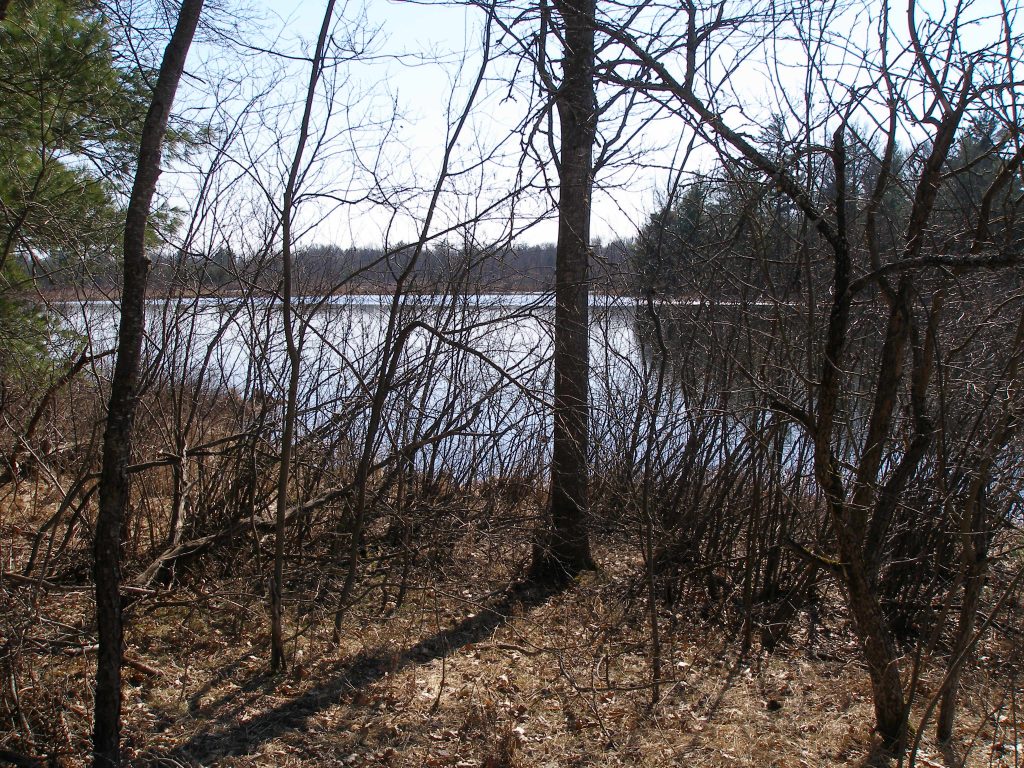
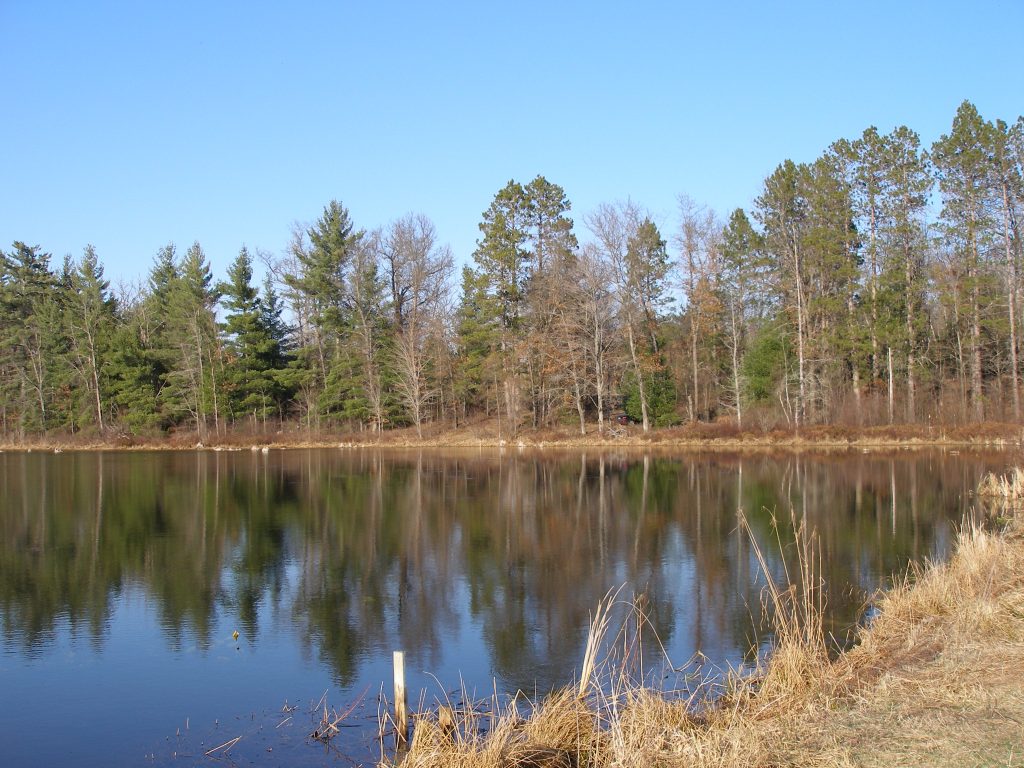
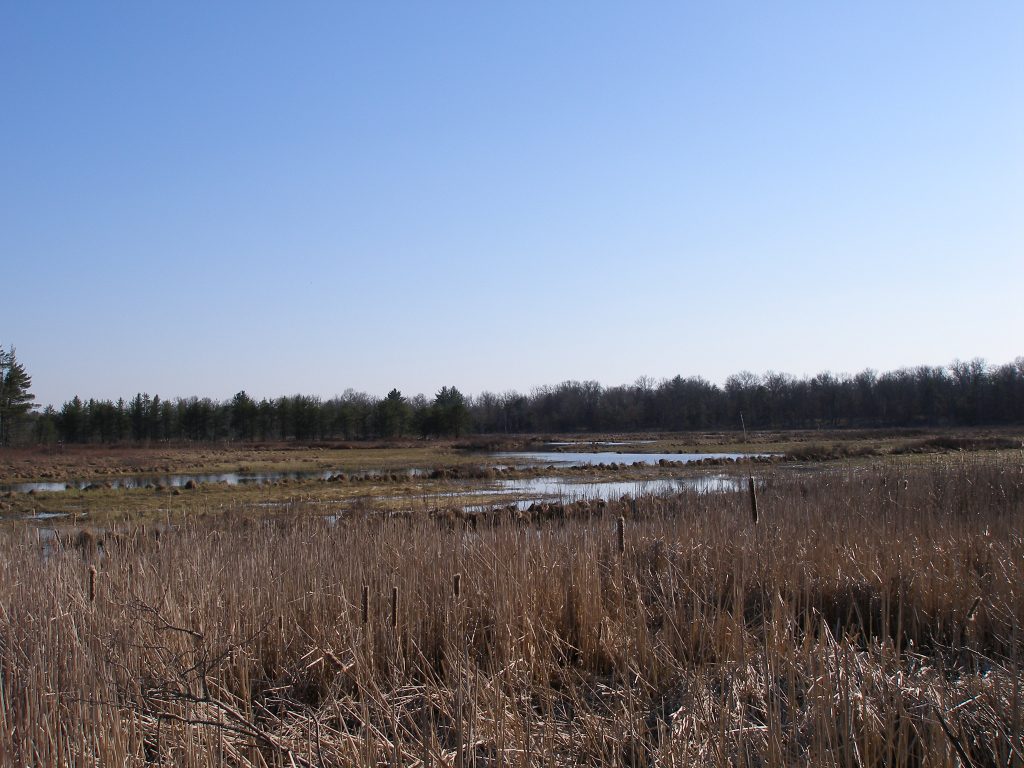
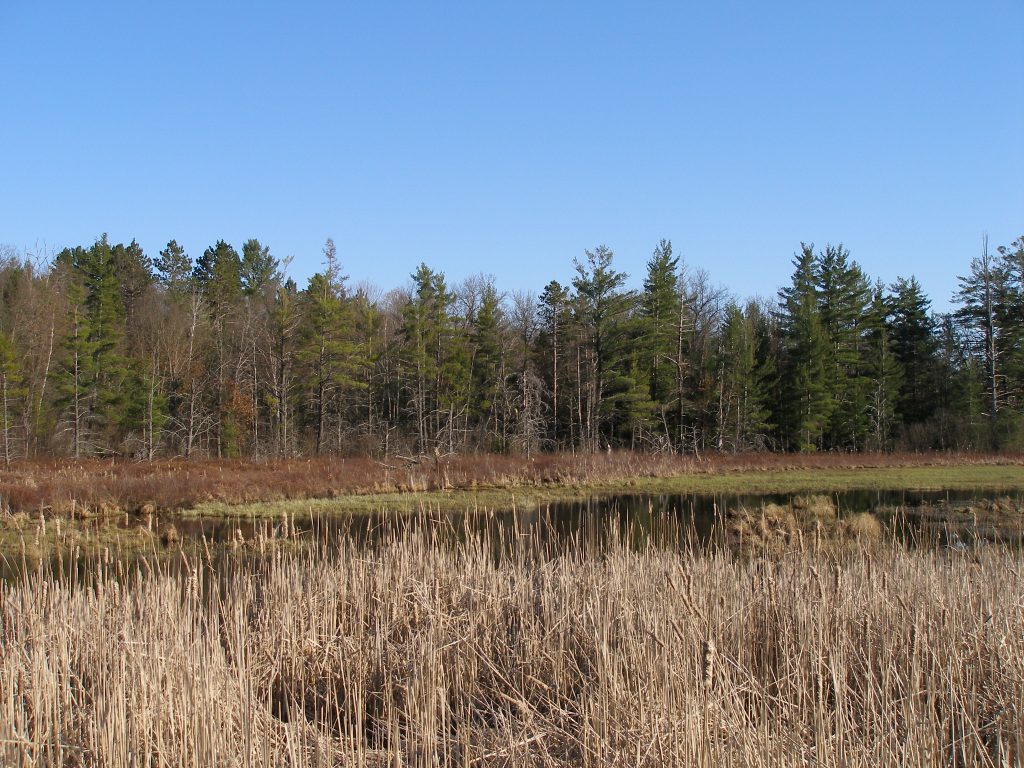
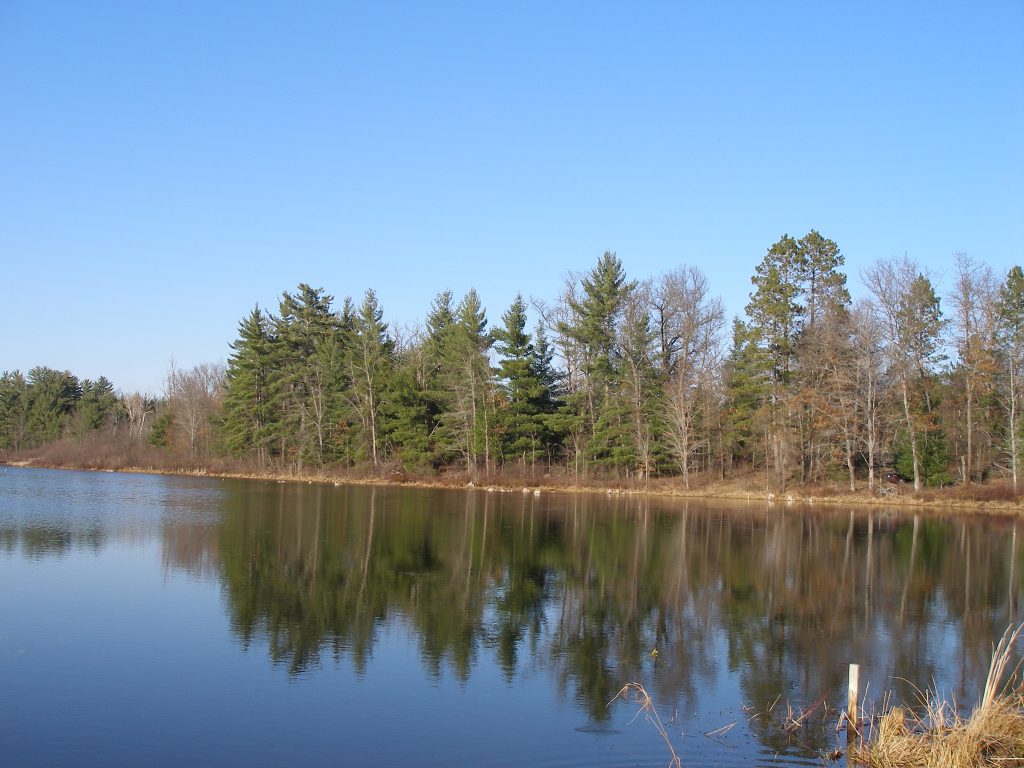
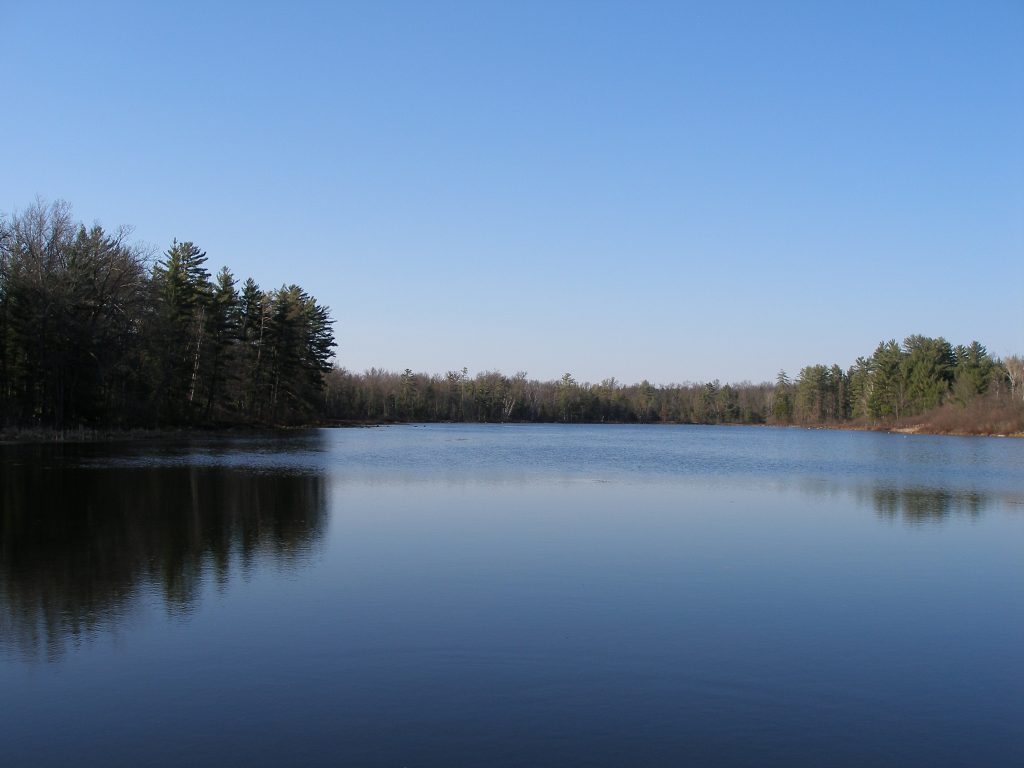
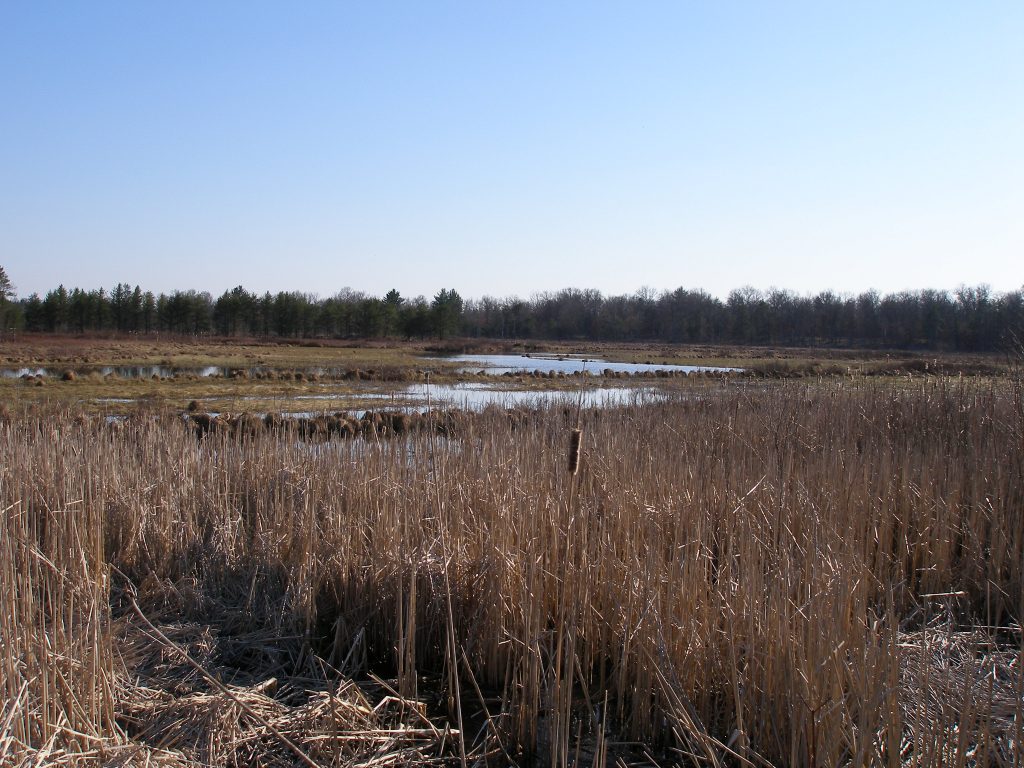
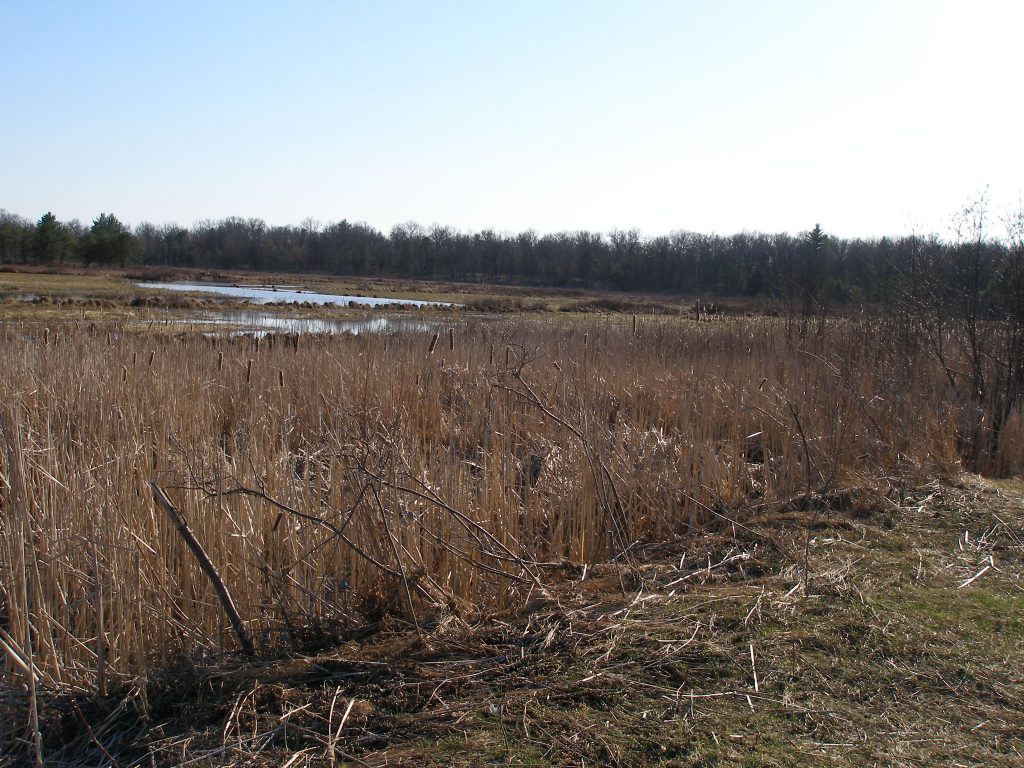
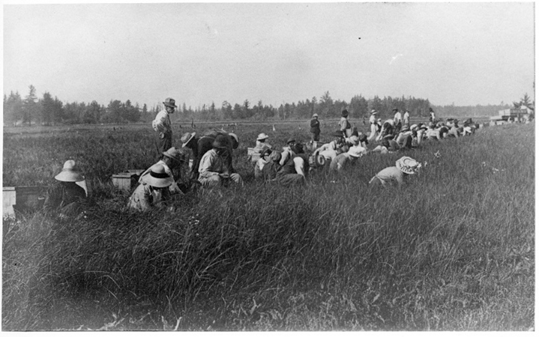
This is where they used to grow cranberries from around 1890 to 1920. This is what remains.
These are from the Fife Lake Cemetery. Some of these folks were originally buried at the Walton Junction Cemetery and were moved here.
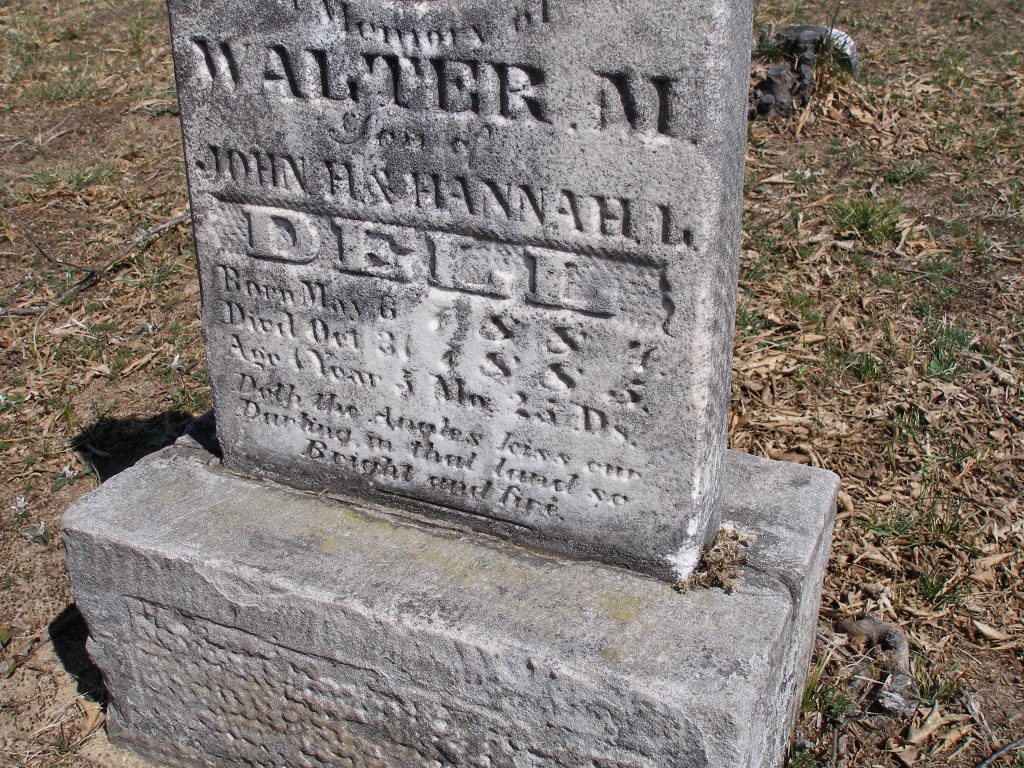
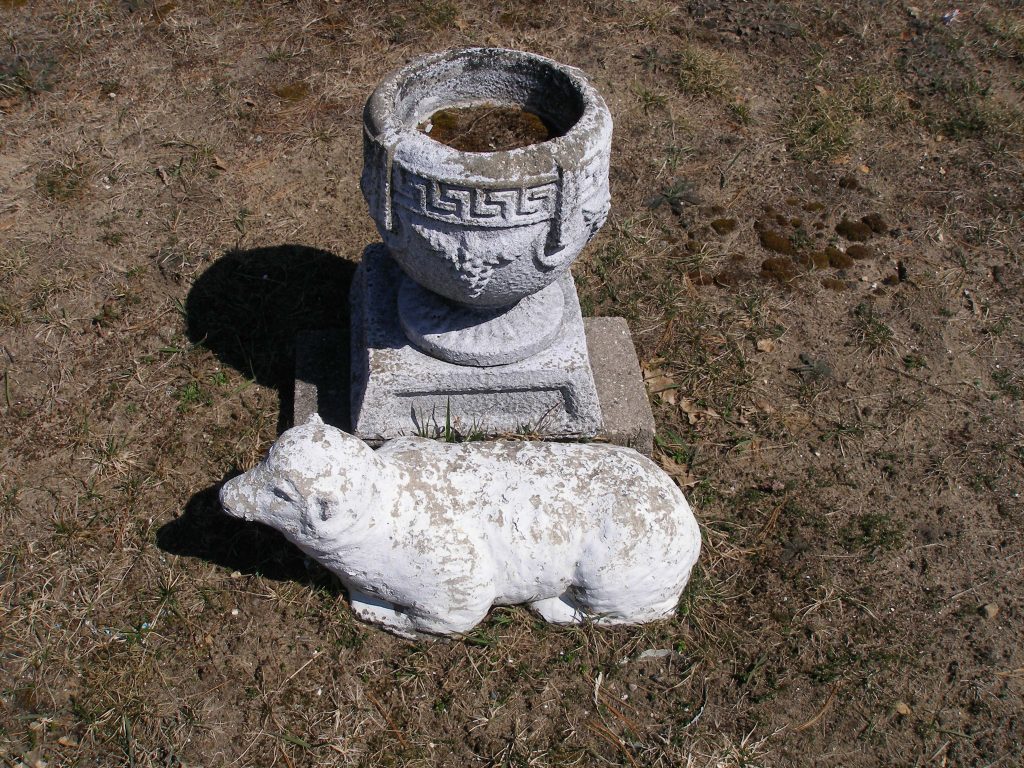
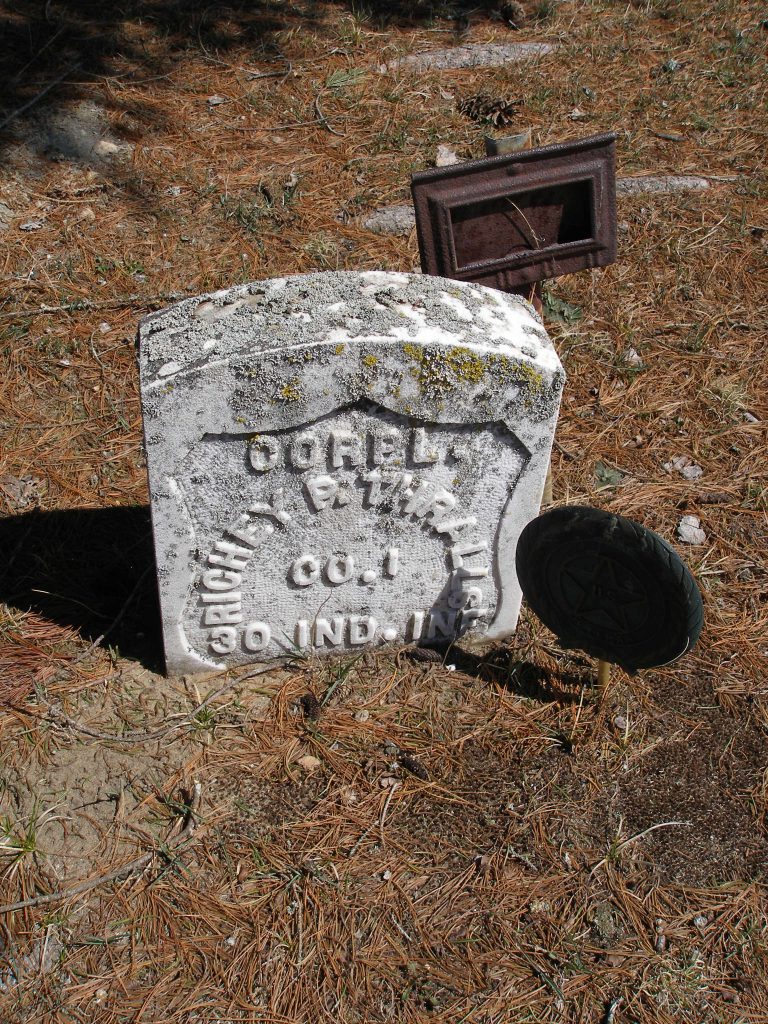
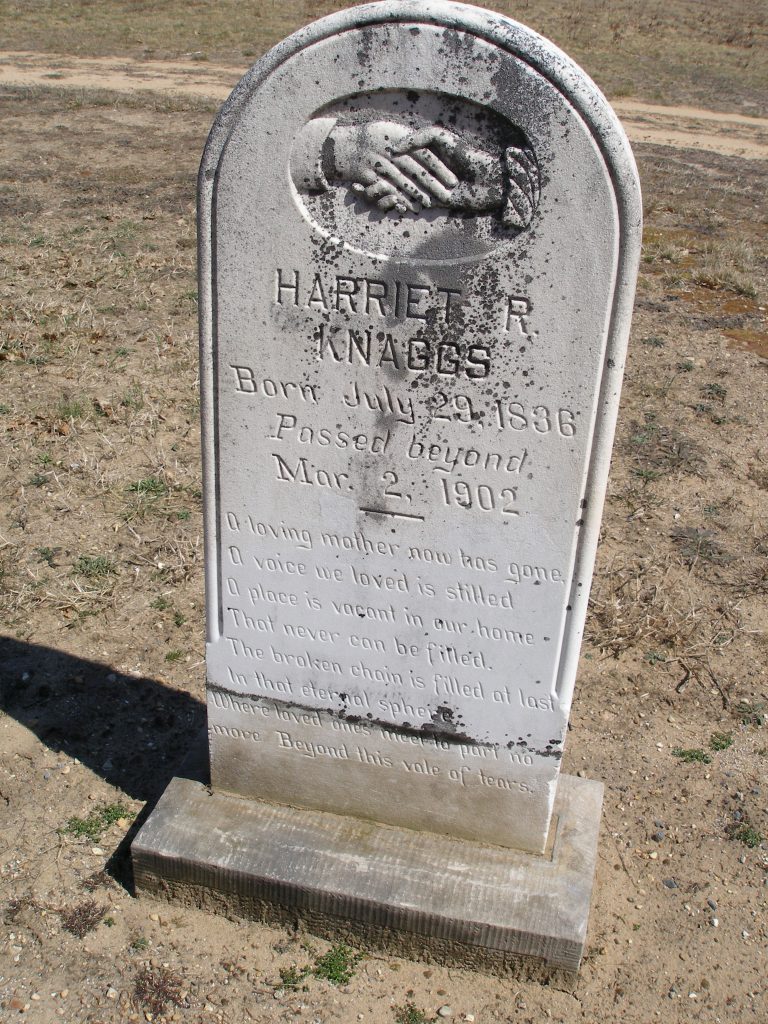
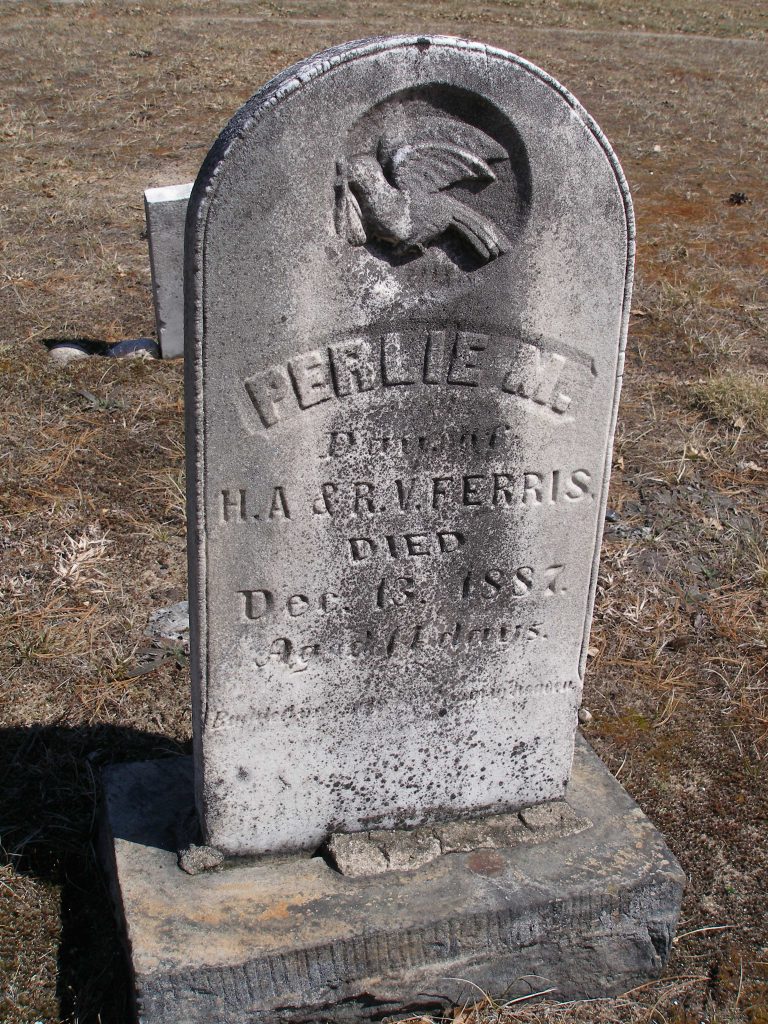
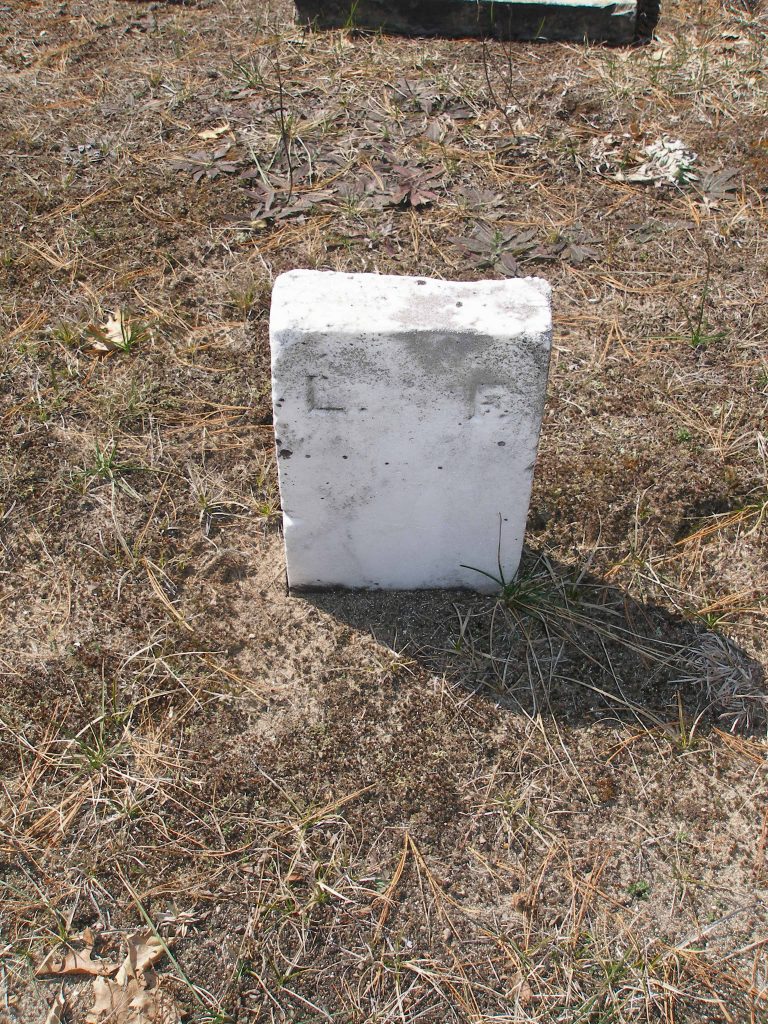
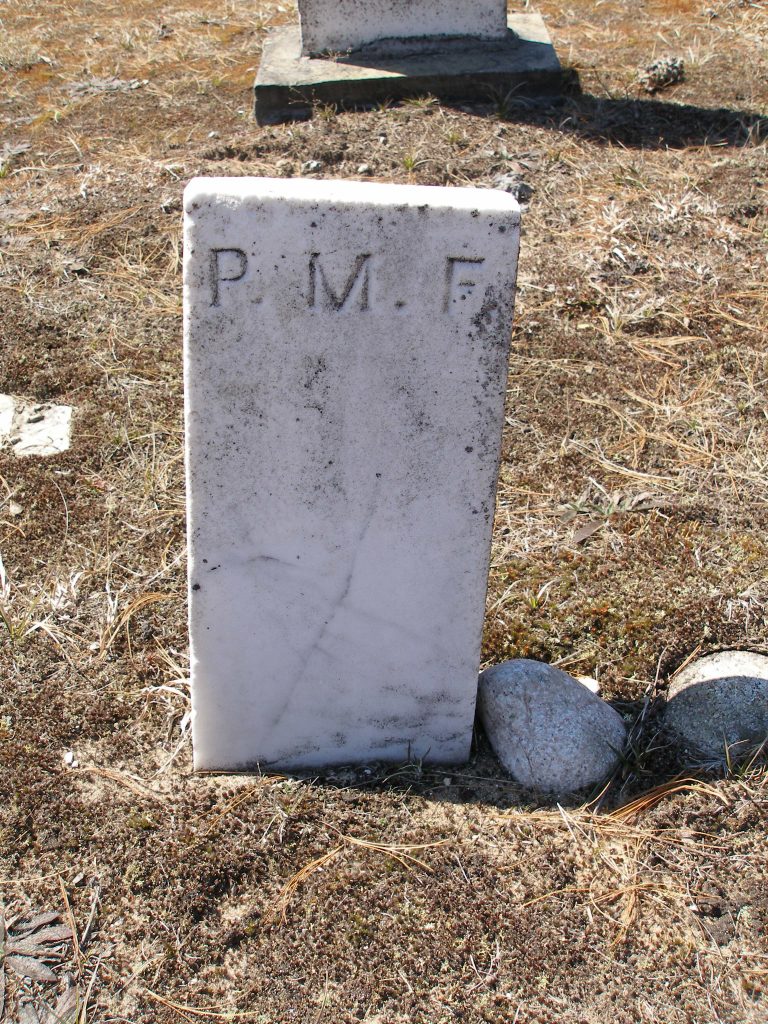
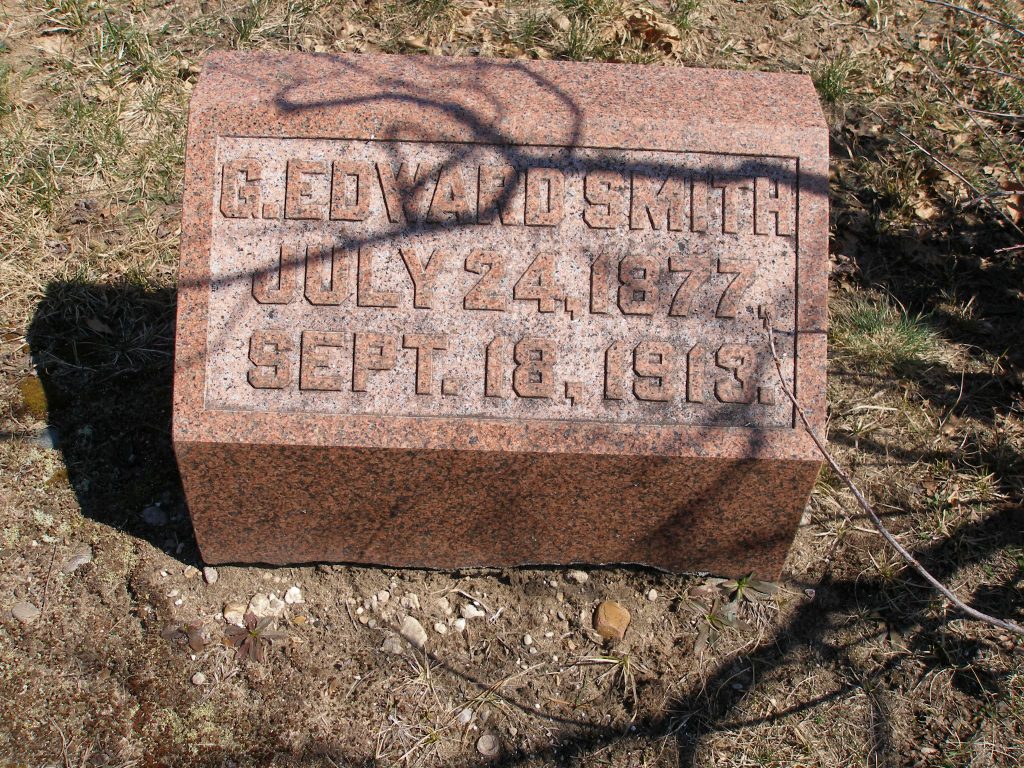
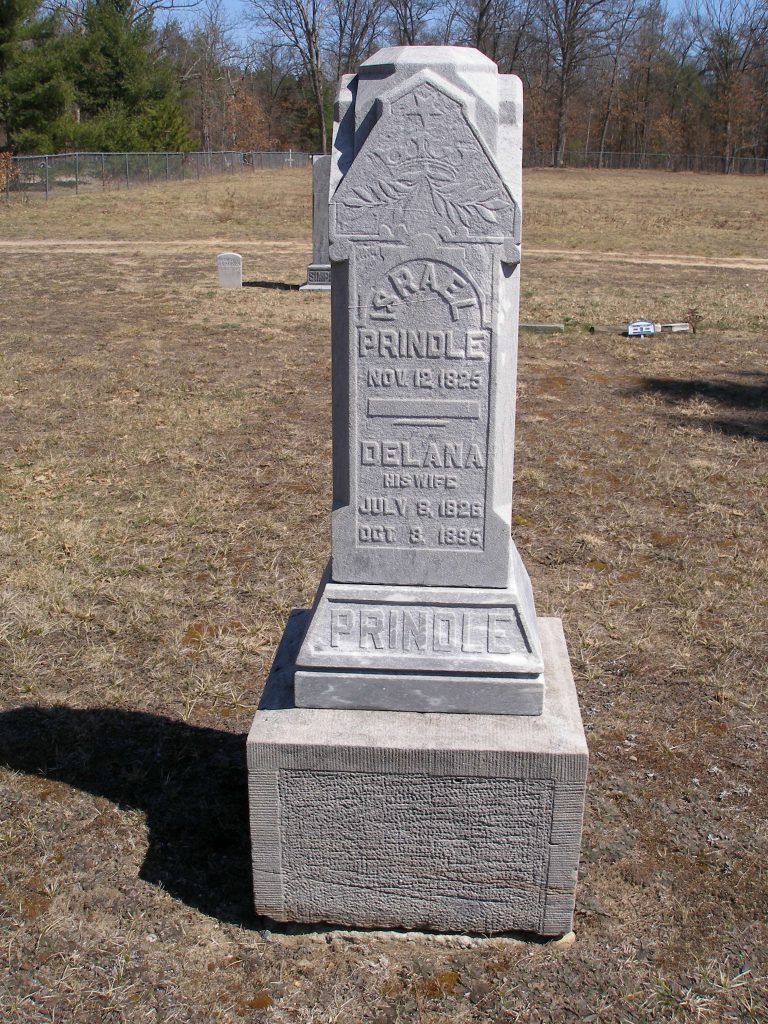
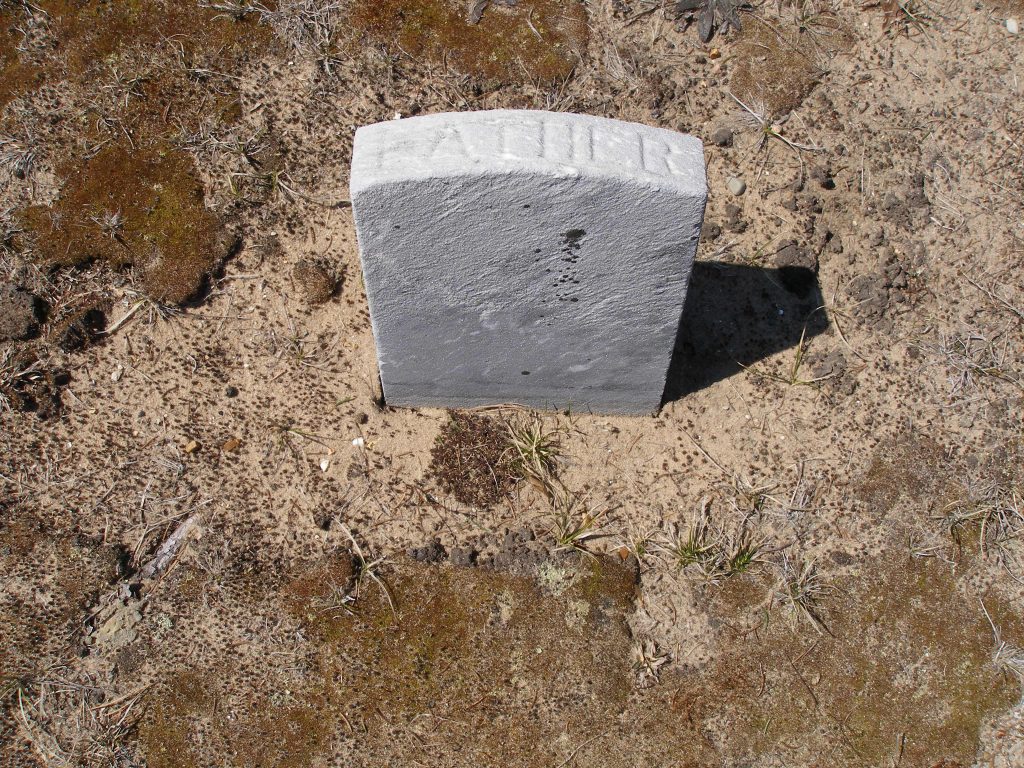
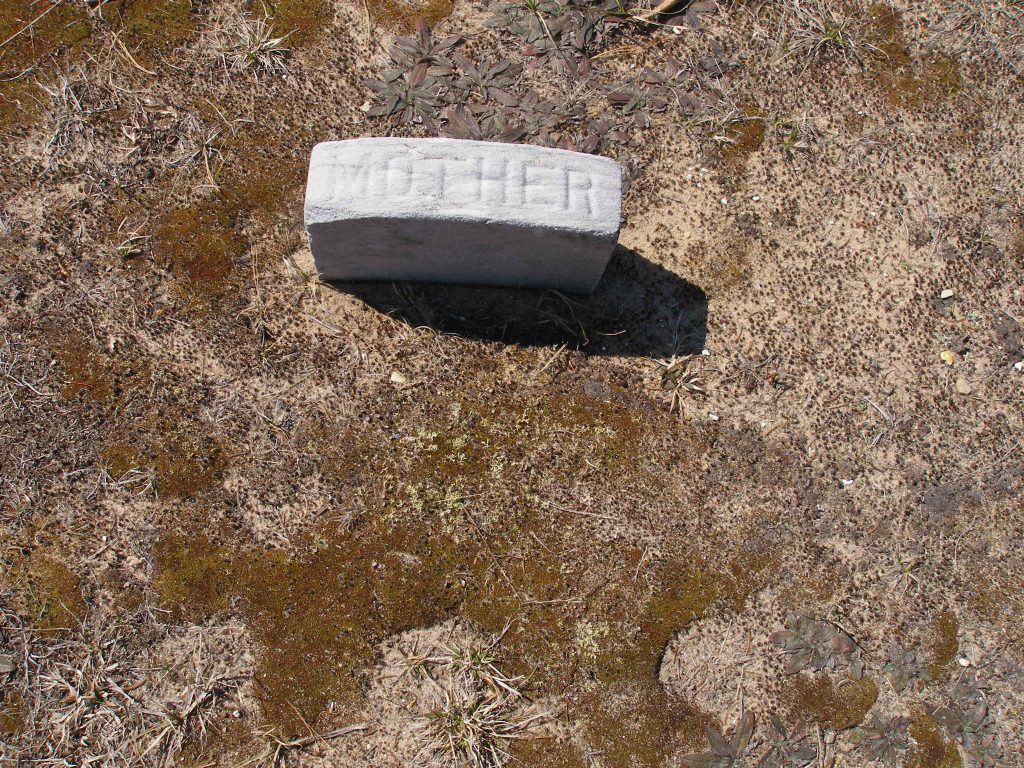
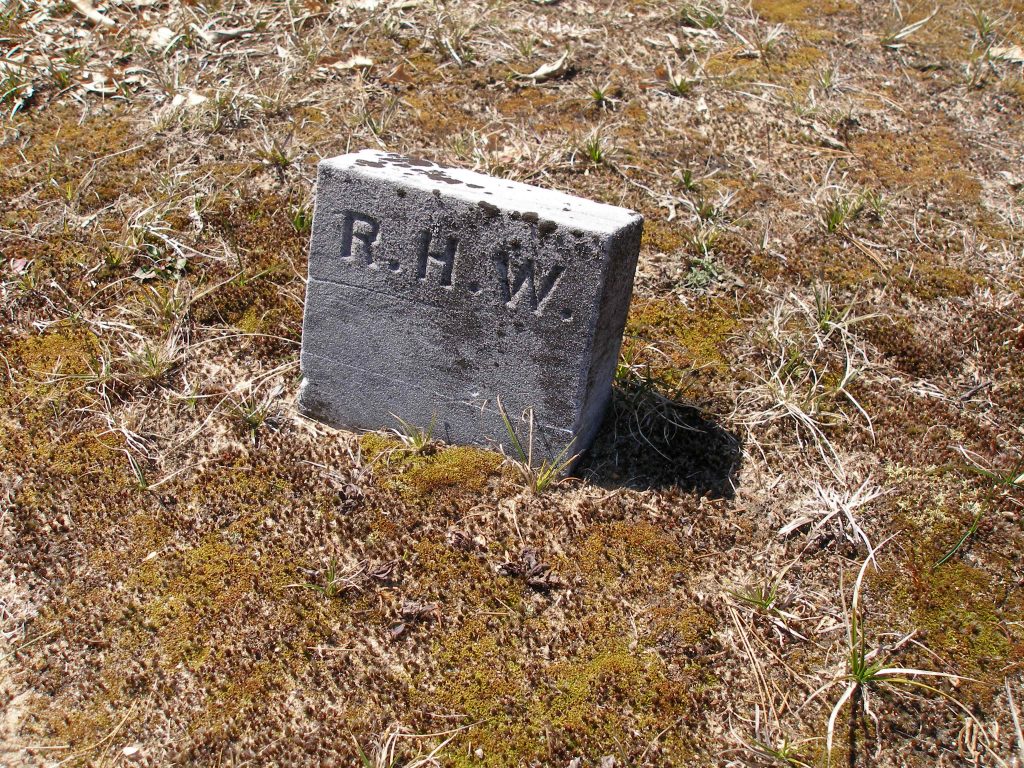
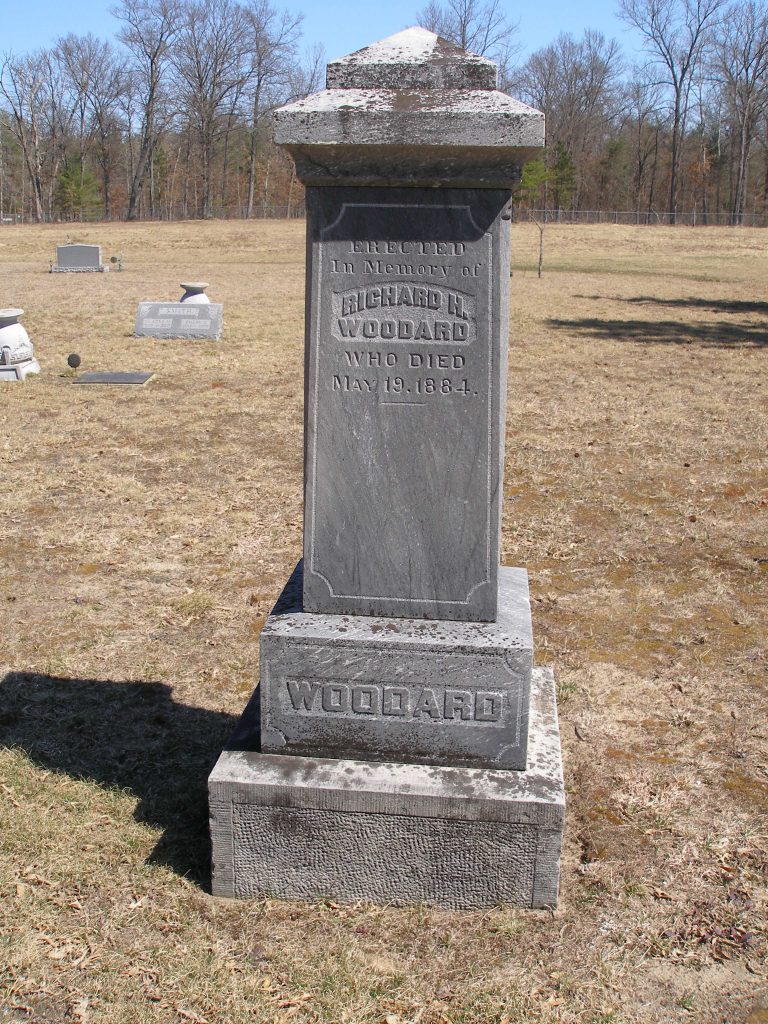
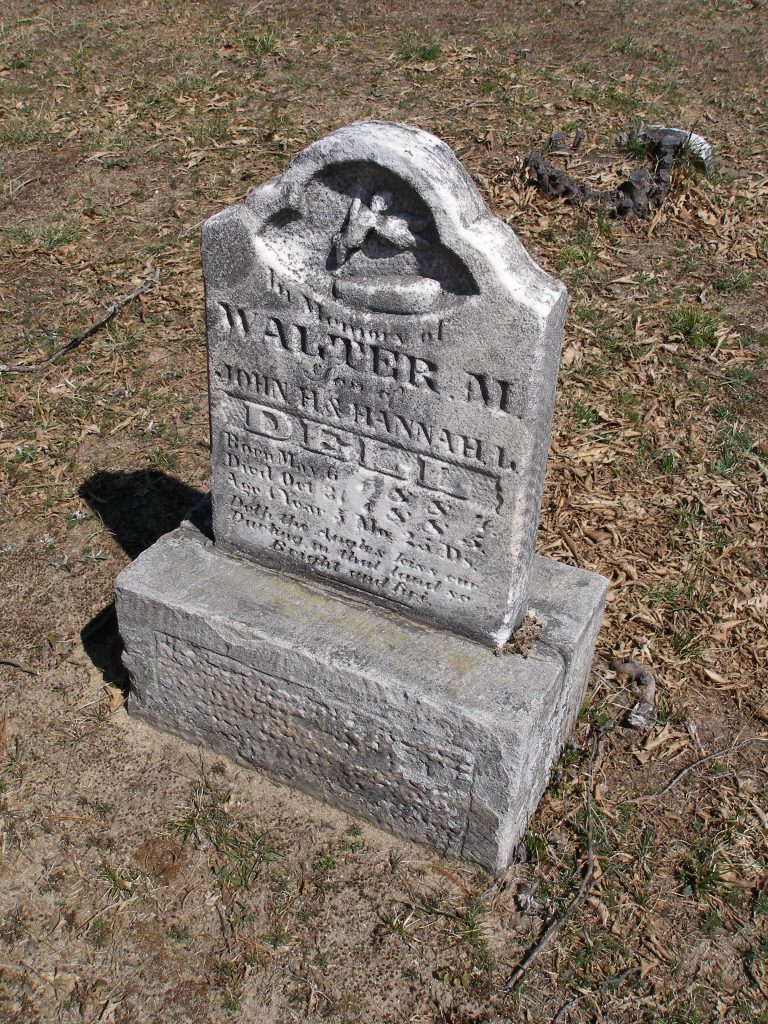
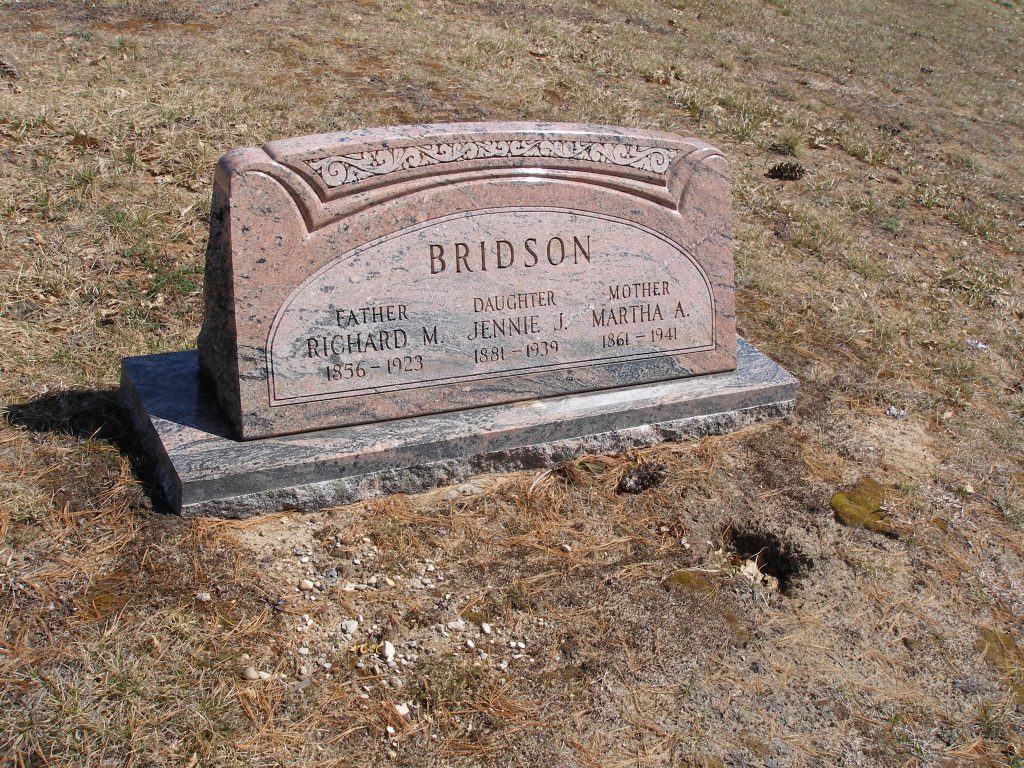
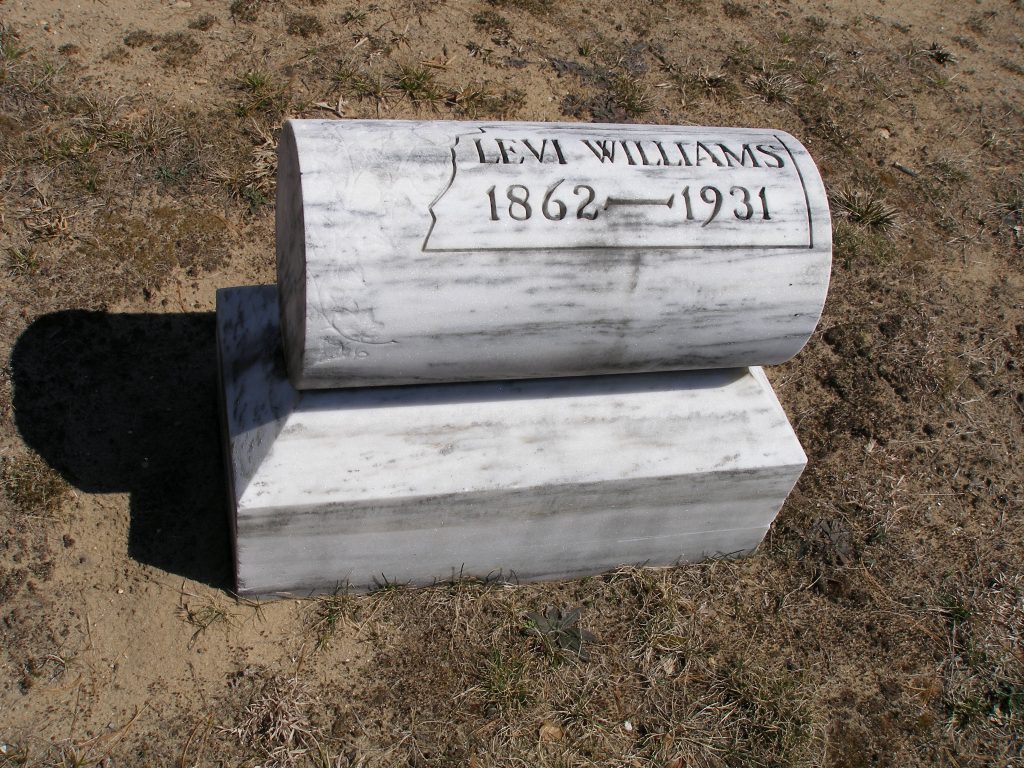
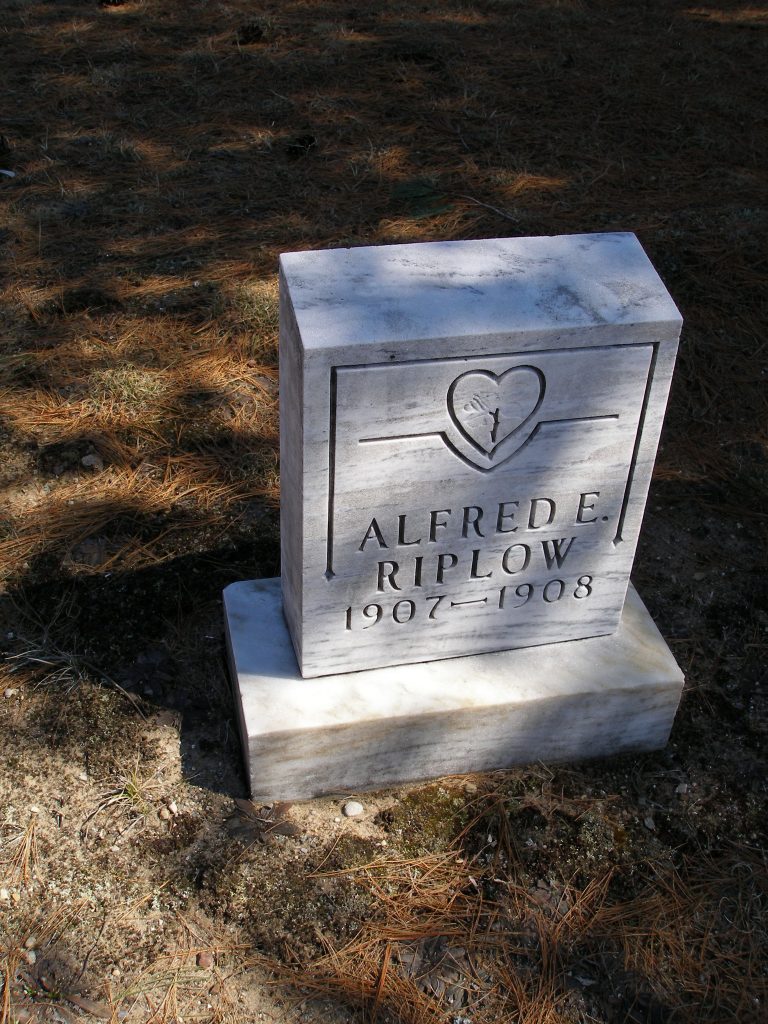
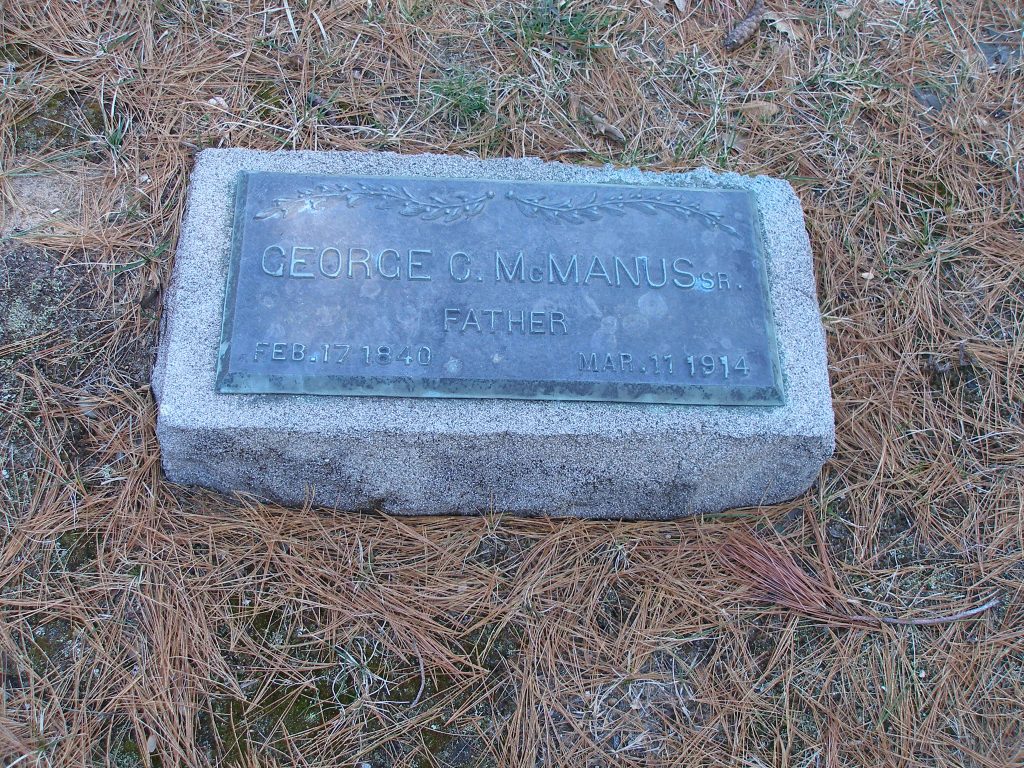
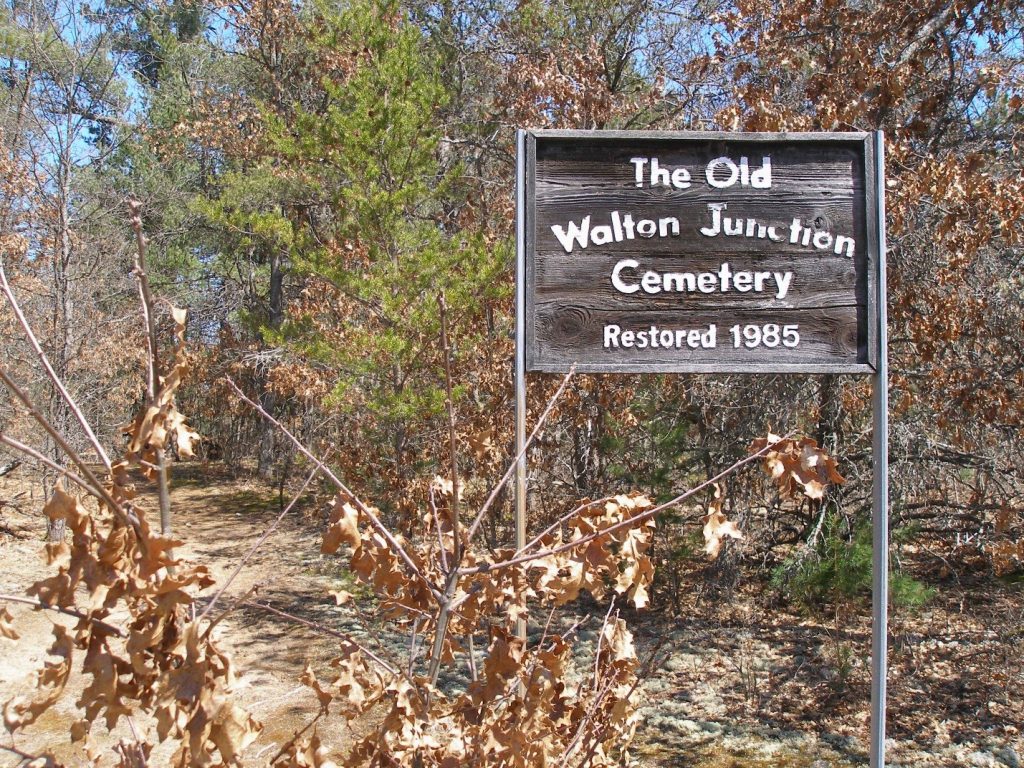
This is what remains of the original Walton Junction cemetery. Most of the inhabitants were moved to the Fife Lake cemetery. However, this is still considered hallowed ground because there are approximately 12 people still interned here.
The Lasting Effects of Bullying
© 2017 By Randy D Pearson
In the span of less than a week, I received word that the two boys who bullied me in high school, over 30 years ago, have passed away. This news dredged up a slew of memories, many of which I had buried long ago.
The first thing I realized is that the news of their passing did not give me any amount of pleasure. I’d outlasted the people who made my junior and most of my senior year hell. However, it’s not as if a curse has been lifted, or a weight removed. I’ve had no interaction with them since just after high school. Two men, who had moved far away from their hometown and lived their lives to the fullest of their abilities, are gone from this world. Dead before they turned 50.
I posted about their passing on social media, adding the fact that they had bullied me. Some of my classmates were well aware, while others had no idea. A few even commiserated, either having been bullied by them as well (which I hadn’t known, being wrapped up in my own situation), or from their own personal experiences. A couple of them were shocked. “Weren’t you friends?”
We were, until we weren’t. In fact, one of the boys was my best friend through grade school and even in 9th grade. Then, in my sophomore year, my parents moved me away from the school I had attended since 2nd grade. I spent the year begging them to move me back, and did so for my junior and senior years. However, the old saying ‘you can never go home’ has some basis in fact, as the bullying started soon after I returned.
Back then, in the mid-80s, people weren’t ‘bullied.’ They were teased, picked on, or messed with. No one thought it much of a big deal, just kids being kids. You just dealt with it. I never told my parents, or the teachers. I just changed my routine, coming to school as close to the first bell as possible, and hiding out in the band room after school, “practicing” my tuba, until it was safe to walk home. Sometimes it worked, but not always. In my senior year, I took a shared time college-prep class in a neighboring city, so I could be away from my high school as much as possible.
Their deaths have forced me to relive some of these events, though when my wife asked me what exactly they did to me, I am hard pressed to remember most of the details. I have effectively shoved the individual incidences so deep into my subconscious that I would need a team of psychologists, or perhaps archeologists, to extract them.
However, I am all too aware of the lasting effects of their actions. I have always had great difficulty in trusting others. It takes a lot for me to let someone past my defenses, so I have very few close friends. Up until recently, I had a serious issue with intimacy. My relationships were mostly short lived, lasting only months or even weeks. It took me until the age of 45 to trust someone enough to fall in love and marry. I became much more introverted, preferring my own company to that of others. Being bullied fundamentally changed my personality, affecting me for the next 30 years.
These days, parents and school administrators are much more aware of bullying. Most schools have programs in place to detect and stop such behavior. But we know kids will be kids. If someone wants to bully, they will find a way. With social media, it is easier than ever.
My bullying, overall, was not physical. Unless I’ve buried these memories as well, I don’t believe I was ever attacked, other than spitballs. However, the mental bullying – the name-calling, the tormenting, the fear – left me with life-long internal scars.
Have I managed to live a good life? I’d like to think so. I have a fulfilling job, a few close friends and many casual ones (remember, letting people in is a serious challenge for me), and even a couple of novels on bookstore shelves. Would I go back and change it if I could? Ultimately, I’d have to say no. Those occurrences have made me who I am today. But up until recently, it’s been a lonely existence.
I want to take a moment to talk to the current generation of bullies. If you are bullying people, know that your actions will have life-long ramifications. Take from a nearly 50-year-old man – the actions in our teenage years will last, deep inside, for a lifetime. They do not go away. They become buried, they become part of the tapestry of that person’s existence, but know that they will linger, somewhere under the surface, forever.
If you are being bullied, know that it does get better. I realize that last paragraph (this entire article really) will scare you, but it’s not as bad as I make it seem. Everyone deals with their issues in different ways. I never had therapy, and perhaps I needed it. It took me a while, but I turned out okay. If you can get help, do so, the sooner the better.
I outlived my bullies, I have quieted my demons, and I will continue to live the best life I can.
This is the first in (what I hope to be) a series of fictional stories based on the life and times of those men and women who lived in Walton Junction during the heyday of the 1870s-1920s.
Lumberjack Smallpox
A Walton Junction Story (1897)
By Randy D Pearson (C) 2021
Harriet Dell tried to keep the scowl from her face as she looked from the open icebox to her husband. “The ice all melted,” she proclaimed evenly.
Looking into the top where the block of ice was supposed to reside, Clyde said, “Ice man didn’t come yesterday?”
By way of a response, she replied, “Did you remember to pay him?”
Now it was Clyde’s turn to glower. “Course I paid him. What do you take me for?” Clyde hoped the momentary search of his brain didn’t show on his face as he tried to recall if he actually did pay the iceman. He added, “I don’t forget about money.”
Bending down, Harriet removed a package of hamburger. “Don’t matter none anyway. Everything’s spoilt.”
He took the package from her hand, put it to his nose, and took a sniff. “Yup. It’s not edible. Shit!”
“Language!” Harriet stared toward their son’s bedroom for a spell before saying, in a hushed tone, “Don’t swear with Georgie in earshot!”
“Sorry,” he said softly. After a moment’s silence, he said, “Ain’t nothing left?”
Harriet shook her head softly. “Not much. No meat, no milk. Eggs is bad too. We got some dry stuff still – rice, and oats. A can of beans. That’s about it.”
Taking a deep breath, Clyde nodded rapidly. “All right then,” he said as he walked over to the front door. “I’ll be back as soon as I can.”
Eyes widening, Harriet rushed over, stepping between her husband and the door. “Hell no! You ain’t goin’ out there!”
“Language,” he said, trying to keep the self-satisfied grin from his face. “I don’t see a choice. We gotta eat.”
Harriet looked back at the kitchen before returning her gaze to him, worry evident on her face. “We can make it on rice and beans ‘til Monday.”
Clyde rested his hands gently upon his wife’s shoulders, offering her a reassuring smile. “Don’t worry, dear, I’ll be fine out in the city. I can take care of myself.”
“But Clyde, those men out there are crazy! You’re just a postal clerk.”
She regretted the words as soon as they came out of her mouth as she saw the expression that filled and quickly escaped his face. “I may be just a postal clerk, but I’m a man, dammit.” He quickly glanced over at his son’s bedroom then back to her. Softer, he said, “Those Lumberjacks don’t scare me. The railroad men will keep ‘em busy. Besides, it’s all just talk. They’s just a few men blowing off steam.”
“Not just a few! I heard that last week, pert-near 2000 men came running through Walton Junction. Drinking, gambling, fighting…” She trailed off before adding, “I worry about ya. “
Clyde kissed Harriet on the lips. “I know you do sweetheart, but I’ll be fine. I’ll just head to the general store. They’re open late on Saturdays. I’ll get a few supplies, meat, bread, an ice block if they got one, and I’ll be back before you know it.”
As he grabbed the doorknob, she said, “But the stories –”
“Are just that. Don’t worry.” He pulled open the door, turned, and added, “I’ll be back lickety-split.”
“Wait!” She yelled. “What about your gun?”
He thought about it for a moment before shaking his head. “Won’t need it.” He had certainly heard the stories about the viciousness of the lumberjacks and the railroad men, and one thing always rang true. They fought with their fists, not weapons. They might beat him up just because he had a gun on him.
Pulling the door shut, he heard Harriet lock it behind her. Just like that, he was outside, on a Saturday night, for the first time in over a year. Ever sense the railroad built a junction in his little town and the first saloon popped up, the decent folk locked themselves inside their homes from Friday evening until Sunday afternoon.
He had obviously heard the tales from the hotel staff, the saloons, even the ‘ladies of the evening’ that came into the post office on Monday morning. According to them, Walton Junction went crazy each weekend.
But still, he had never seen it for himself. Though more than a little nervous, the thought invigorated Clyde. He was excited to see what his little town actually looked like on a Saturday night. He may not have the manliest profession, but he was still a man after all, and Walton Junction became a town for men on nights like these.
As Clyde walked the ½ mile into town, the noise level noticeably increased. All the bars and the hotels were in full swing.
Trudging past the Hardwood Saloon, he pulled out his pocket watch. It was a quarter past six. He took a couple more steps toward the store before pausing to watch a man being tossed out the swinging doors, falling heavily in the dirt in front of him. The man, bleary-eyed, looked up, pointed at Clyde, opened his mouth as if to speak, and then passed out.
Clyde took a few more steps before stopping again, looking back at the Hardwood. Ever since this and other saloons opened up in the past few years, he had been longing to go into one. Okay, longing wasn’t the correct word. In fact, he’d been known to have a beer or two in the Hardwood, but only on a weeknight, when the locals were the only patrons. In fact, he knew Joe, the bartender at Hardwood, pretty well. However, he’d never set foot in any of the bars on Friday or Saturday nights, when the lumberjacks, river men, and railroad workers filled the joints. The idea simultaneously terrified and elated him. He knew his wife wouldn’t be pleased, to say the least, and she would tell him, “you’re just a postal clerk.” As if working in the post office disqualified him from being a true man. He knew he could handle it.
The sound of raucous laughter carried out from the Hardwood, breaking him from his reverie. He knew the general store would be open until at least eight on Saturday. That would give him over an hour to have a beer, maybe two, before heading over there to get the supplies his family needed.
Yes, a beer. Just one. In the Hardwood. On a Saturday night. A smile turned his lips upward. The boys at the post office would be so jealous, he thought as he strode toward the saloon.
Putting both hands on the swinging doors, he nearly gave them a heavy push, but paused when a lumberjack, nearly a foot taller than he, hit the exit at the same time.
Stepping back to let the burly man pass, Clyde nodded and said, “Howdy,” in what he hoped would be a friendly way.
The man stopped, turned, and gazed down at him. Suppressing a smirk, he asked, “Wait! You goin’ in there?”
Mustering his courage, Clyde replied, “Yes I am. Gonna get me a beer.”
The Jack pivoted, pushing one of the doors open and holding it for Clyde. “After you.” Then, under his breath, he added, “This I gotta see,” and followed behind, half pushing Clyde inside.
The noise level was downright riotous, with groups of men clustered together at the bar and seated at the several tables strewn about the dirt-floored establishment. Looking around, Clyde’s brow furrowed when he didn’t see any opening at either the bar or a table. “Well shucks,” he said quietly, but not too softly for the lumberjack to hear.
“Follow me,” The Jack said as he marched up to the counter. Tapping a man in grubby overalls on the shoulder, he said, “Hey bud.”
The man turned to glare at the Jack, fire in his eyes. “What?” he asked.
Gesturing with his head toward Clyde, the lumberjack said, “This fine gentleman would like a beer. Get out of the way before he socks you one.”
A chuckle escaped the man’s mouth. “Certainly! Don’t want no trouble.” But instead of moving away, the man turned to the fella next to him, put both hands on his shoulders, and gave him a hard shove. The man fell off his barstool, crashing to the ground.
Immediately, he jumped to his feet, yelling, “Hey, what’s the big idea?” Not awaiting an answer, the two guys started punching one another.
“Um,” said Clyde as he stared at them, then at the now vacant bar stool, then at the lumberjack.
“Oh, never you mind them,” said the Jack with a grin. “You just sit right there.” Waving a thick arm over Clyde’s head, the Jack shouted above the din, “Hey barkeep! Bring this man a beer! And me a whiskey.”
When the bartender saw whom the Jack was with, he hustled over. “Hey Clyde,” he said with wide, disbelieving eyes, “what are you doing here on a Saturday night?”
“Hey Joe,” said Clyde with a sheepish grin, “how’s it goin’?”
“This man needs a beer,” yelled the Jack. “Don’t just stand there a-jabberin!”
Joe looked at Clyde, and when he saw Clyde nod his approval, Joe said, “Okay, sure. And whiskey for you, Jack?”
“Yup!”
As Joe rushed off to get the drinks, Clyde turned back to the lumberjack. “So your name is Jack?”
This forced a loud guffaw to escape the lumberjack’s mouth. All the lumberjacks were called Jack around here, but he saw no reason to tell this tenderfoot that. “Sure thing! Jack’s the name. Cutting trees and drinking whiskey is my game.”
As the booze arrived, Clyde reached into his wallet, giving Joe enough to pay for both drinks, and then some. This was a special night. No point in quibbling about spare change. “Keep it,” he said to Joe, as he turned and hoisted up his beer. “This one’s on me, Jack. Pleasure to meet you!”
Jack’s grin grew even wider. “Right neighborly of ya.” He picked up his shot, clinking it firmly against Clyde’s beer.
They both had a couple more drinks while Clyde scanned the place, enjoying the floorshow. These were the first beers Clyde had drank in weeks, and he was feeling the effects already.
Setting his third beer on the counter, he smiled up at Joe. “Sure is raucous here, huh?”
“This ain’t nuthin,” was the barkeep’s reply. “But seriously, how are you here? I can’t believe Harriet let you outside on a Saturday night.”
Clyde began, “I’m the boss in my house! I say what goes in – ” but a couple of Jacks interrupted him with their hooting and laughing.
“Lookee here,” one with several missing teeth, scars on his face, and a line of spilled beer down his front said. “We got us a momma’s boy! With his clean and purdy shirt!”
Grabbing a fistful of Clyde’s shirt, the other one, smelling worse than a possum dipped in sewage, yelled, “Oh you’re right Bill! This here shirt’s so nice.”
When he pulled Clyde closer, Clyde’s elbow clipped his beer, spilling it all over the counter. “Oh, shucks,” the stinky man said with mock sadness, “I knocked over yer beer. I’m plum sorry. Buy yerself another one, and us one too while you’re at it.”
Clyde was about to tell them to get bent when he saw the one man’s expression change from playfulness to hostility. “Yeah, buy us a beer. You got the money. We can tell.”
All of a sudden, this went from fun, doing something a bit naughty, to scary. “Now fellas,” he stated, but didn’t really know what to say from there.
Jack dropped a heavy hand on Clyde’s shoulder. “You can’t let ‘em get away with that. They knocked over your beer. They wrinkled that…” he paused to suppress a smile, “that truly purdy shirt. You gotta fight one of ‘em.”
Spinning around with panic in his eyes, Clyde said to Jack, “Fight? I, uh, I’m –”
“You gotta! It’s your honor at stake. You can’t let ‘em push you ‘round.” Jack pulled Clyde off his barstool and onto his feet, holding onto him to keep him steady. “I’m here for ya. I’ll make sure it’s a fair fight. No weapons.”
“Weapons?!” The thought hadn’t occurred to Clyde until that moment. While he didn’t want to get beat up, he absolutely didn’t want to be stabbed or shot.
Leading him out of the bar with an arm around his shoulder, Jack said, “Don’t worry about that. I’m here. It’ll be one on one. I’ll help. Which one you wanna take? Ugly or Stinky?”
“Which one?” This was suddenly becoming a nightmare. “Ugly or…”
“Perfect,” said Jack with a wide grin. Before he could say another word, Jack reared back and hit Stinky with the strongest, heaviest punch Clyde had ever seen up close.
Instead of falling over, Stinky just grinned widely, turned his head, and spit out a tooth. “Thanks, Jack! That one was giving me trouble.” He then reared back and smacked Jack with an equally hard punch.
The other one, aptly referred to as Ugly, pointed at Clyde. His grin looked both joyful and ominous. “Oh, I can’t want to take you apart!”
“Take me –” was all Clyde had time to say before a fist caught him across the cheek in a roundhouse. He rolled sideways, lost his footing, and fell clumsily to the ground.
The man, looming down at him with an annoyed smirk, did not look any less ugly from down in the dirt. “Get up, ya pansy!” When he didn’t immediately jump to his feet, the man added, “Don’t tell me that’s all ya got!”
“I…I don’t want to fight you,” Clyde said slowly as he rested his hand upon his aching jaw. Looking over, he watched for a moment as Jack and Stinky exchanged blows, and they were both laughing. These are some crazy people, Clyde thought.
While looking over, he missed what Ugly had yelled to him. “I’m sorry, what?” he asked.
“I said, if ya ain’t getting up, you’ll be getting a case of Lumberjack Smallpox.”
Clyde’s brow crinkled. “A what? Lumberjack what?”
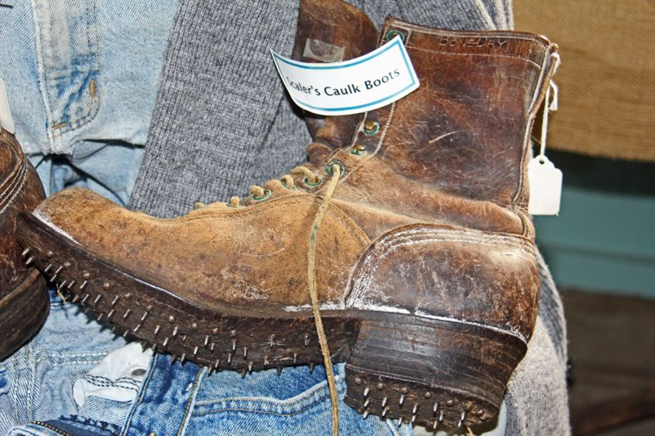
“Allow me to demonstrate,” Ugly said, with the most sinister grin. Lifting his foot high in the air, the lumberjack held it about a foot above Clyde’s face. He could clearly see the man’s boots had large, protruding spikes coming from the sole. “Where ya want it? The chest? The arm? Oh I know, how ‘bout your purdy face?”
The severity suddenly dawned on Clyde. Lumberjack Smallpox! That’s what these barbarians called it when they stomped on one another with their steel-spiked boots! He aims to puncture me!
“Okay then, the face it is!”
Too scared to move, Clyde just closed his eyes, awaiting the inevitable.
When he heard a loud scuffle, Clyde opened his eyes to see Jack on top of Ugly, beating him down something fierce. “Ya don’t brand a local! The hell’s wrong with you?”
After several more punches, Jack stood up, leaving Ugly unconscious on the ground. For good measure, Jack lifted his own boot and stomped on the man’s chest. “That’ll learn ya!”
Jack reached a hand down. “Here,” he said as he helped Clyde to his feet. “How’s your face feelin’?”
Instinctively, Clyde cupped the sore spot. “It’s fine. Sorry I’m such a wuss.”
“Eh,” he replied with a dismissive wave, “you ain’t a fighter. We all know that. They’s just having fun with ya.”
“Fun,” he replied slowly. He took a step, then stumbled. Between the beer and the punch, was felt woozy. “A wuss and a lightweight.”
“Let me help ya home,” Jack said with a friendly smile.
Jack let Clyde lean on him as they stumbled to Clyde’s house, leaving Clyde sitting on his front porch swing. “Hey Jack,” Clyde said more loudly than he had intended, “Thanks. For everything. You’re a good guy!”
“You ain’t so bad yourself. And thanks for the whiskey. I’ll see ya around. Come out again some weekend, and I’ll return the favor.”
As Clyde watched his new friend mosey off, the front door opened. Harriet stood in the doorway, arms akimbo. “Where have you been?”
Leaping up from the porch swing, Clyde tried to steady himself before speaking. “Hi hon! I made a new friend!”
She waved a hand in front of her face. “Yeah, I can smell that from here. Where’s the food?”
The color drained from his face. “Oh. Uh. I forgot. Sorry.”
“And what happened to your face?”
“Got in a fight. But I didn’t get Lumberjack Smallpox!”
(C) 2021 Randy D Pearson – All rights reserved
April 15, 2021
I was fortunate enough to be invited onto Emma Palova’s Podcast/YouTube Show For The Love of Books. It can be listened to here:
Podbean
WLNZ’s Coffee Break TV/Radio program – I’ve been on Coffee Break several times.

Here is my first interview, from June 8, 2015, all about Driving Crazy
Here is my interview from April 21, 2016, discussing Tell Me a Story
In space, no one can hear you … cuz there’s no air and stuff for sound to carry.
But if you want some excerpts and deleted scenes from Off-Worlding Book 1, I hear ya!
This is chapter five – one of the Santascoy flashbacks while he is unconscious. A pivotal moment in his young life, shaping his entire future.
Seventeen-year-old Noman Santascoy sat in the uncomfortable visitor’s chair in the hospital room, watching his mother’s labored breathing. As the machines that surrounded her beeped and blinked, he kept vacillating between despair and rage.
The hospital room door slowly opened, and a woman dressed in scrubs padded inside. “Hi Noman,” she said softly, concern evident on her face. “I’m Marguerite, one of your mom’s nurses. How are you doin’?”
Steeling his expression, Santascoy replied evenly, “Fine.”
Nurse Marguerite nodded. “I know. Stupid question. Have you been here all this time?”
He nodded. “Someone has to be.”
The hospital room door opened again, and a man in a suit walked inside. Striding up to Leslie Santascoy, he checked her chart and then the machine before looking down at Leslie. He then turned, casting his sympathetic gaze at Noman.
“Hi. I’m Doctor Grupke. I take it you’re Mrs. Santascoy’s son?” When Noman nodded, he continued. “Where is your father?”
His gaze hardening, Noman replied, “If I had to guess, I’d say at a bar somewhere.”
Showing no reaction, the doctor said, “I need to talk to him about your mother.”
Noman stood, taking a step closer. “Talk to me.”
“Now son, I –”
“Talk. To. Me.” Santascoy’s eyes blazed with anger.
At that moment, the hospital room door burst open. Fraser Santascoy marched in, glared at the doctor and then the nurse before moving his gaze to his comatose wife. He pointedly avoided looking at Noman.
With no emotion, Noman uttered, “Speak of the devil,” accentuating the last word.
“How is she?” Fraser said loudly, a slight slur to his voice.
“Mr. Santascoy, I’m Doctor Grup –”
Cutting him off, Fraser said loudly, “How is my wife?”
Grupke glanced over at Noman before returning his attention to Fraser. “We shouldn’t talk in front of –”
Fraser’s voice grew even louder. “I don’t care about him. What’s going on with Leslie?”
Doctor Grupke paused for only a moment before saying, “She suffered severe brain damage in the fall, Mr. Santascoy. She has lost nearly all of her autonomic functions. This machine is essentially keeping her alive.”
Fraser walked over to his wife, resting a hand gently on her cheek, then patted it twice with a less-than-gentle motion. After a moment, he turned to look at the doctor. “How long until you pull the plug? Do you need my permission or something?”
With a quick intake of air, Noman yelled, “You son of a bitch!” He took a step closer to his father, hands balled into fists.
“Get him out of here,” yelled Fraser with a sneer, “so the adults can talk.”
Stepping between them, Nurse Marguerite said to Noman, “Come on sweetie, let’s get you some food.”
Noman, with one final glare at his father, pivoted and stormed out of the room. Sprinting to the end of the hall, he stopped in front of a picture of a gentle, flowing landscape, and punched it with a short, quick shot. The picture frame shattered, showering the ground with shards of glass. The young Santascoy shook his hand as the nurse finally caught up to him. “Oh Noman!” Taking his bleeding hand his hers, Marguerite said, “Come on, let’s get you cleaned up.”
Marguerite led him into a neighboring room. Sitting him down on a vacant bed, she grabbed some supplies and started wiping the blood away. “Look,” she said softly, “I know this is tough. And I know your dad didn’t handle that well. But dear, your mom is in a bad way. She’s not improving. It’s getting to the point where her quality of life will degrade. You don’t want her to linger like this. It’s no life, Noman.”
She finished bandaging him as he pulled his hand away. “It’s not fair! It’s his fault. He did this to her. He shouldn’t be allowed to pull the plug.”
Marguerite’s brow tightened. “What do you mean it’s his fault?”
In a monotone voice, he replied, “He pushed her down the stairs.”
She paused for a moment before speaking again. “He told us she fell.”
“Yeah,” Santascoy said with an unhappy chuckle, “he would say that. He always says that.”
Standing, she whispered, “You’re saying he’s done this before?”
“Many times. He’s a monster.”
Marguerite stared at him for another long tick of the clock, her mouth agape. “Have you told anybody?”
Laughing humorlessly, Santascoy responded, “Oh yeah. Everyone always believes the upstanding citizen over the malcontent child.” He added finger quotes over both upstanding and malcontent.
Staring straight into his eyes, the nurse said, “I don’t.
“Oh there you are,” said Fraser as he stood ominously in the doorway. “C’mon, we gotta go, Santascoy.”
Marguerite gave Noman a puzzled look. “He calls you by your last name?”
By way of an answer, Fraser said, “Noman is a stupid name.”
The young Santascoy glared at his father. “You gave it to me.”
“Shut up!”
“You couldn’t spell Norman!”
His face reddening, Fraser shouted, “I said shut up!”
“What sort of man can’t spell Norman?” Santascoy said with a dry laugh. “It’s six frickin’ letters, Dad!”
“Why you little…” Taking several steps into the room, Fraser’s eyes burned with seething rage as he approached.
Marguerite stepped in front of the teenager, staring directly at Fraser. “Don’t you hurt him!”
This stopped the elder Santascoy in his tracks. “Hurt him?” He forced a wide smile. “Never! We’re just playing around, aren’t we, boy?” Eyes narrowing, he added, “Aren’t we just playing around, dear son of mine?”
Noman stared at his father for a long moment, before curling his own lips upward. “Sure dear father, we’re just playing. Like we always do.”
“All right then,” Fraser said, then spitting out, “Noman.” He held his hand out, past the nurse, beckoning. “Come along then. We have things to discuss.”
Walking past Nurse Marguerite, Noman gave her an intent stare, hoping his eyes told her to do something with the information he had given her.
“Bye, Noman,” she said as the two Santascoy men walked down the hallway and out the door.
As they reached the parking garage, Noman in the lead, Fraser balled his hand into a fist and hit the teenage Santascoy solidly in the back of the head. Falling, Noman’s head bounced off the concrete wall before careening against their car. Fraser straddled him, punching him several times in the solar plexus. Directly into his face, Fraser yelled, “Don’t you ever try to embarrass me again like that, you little piece of crap. I’ll kill you like I just did your mother.”
His head ringing and throbbing, Santascoy squinted up at his father, not comprehending. “What?”
“I had the doctor pull the plug. After she tripped and fell down those pesky stairs, she injured that worthless brain of hers. It will never recover, so instead of allowing her to bleed me dry on life support, I had them end her. Your mother is dead. It’s just you and me now, dear son of mine.”
Noman attempted to regain his footing, but he staggered, falling back to the parking lot. “No! Not Mom!”
“Yup,” he proclaimed with a sickening smile. “She’s gone. Her last breath was probably 10 minutes ago. Sorry you weren’t there.”
Anger welling inside of him, Santascoy again tried to climb to his feet, only to have his father shove him back to the parking lot. “Stay there a while, wallowing in your grief.” Fraser turned, walked over to the driver’s side, and opened it. “I’m going home. Why don’t you stop by later. I’ll be throwing a party. I mean a wake.”
Before Santascoy could get to his feet, his father backed out of the parking garage. He drove off, his tires pelting Noman with gravel and dirt.
Noman watched the car disappear around the corner. Unsure of his next move, he sat back down on the cold concrete. As the hopelessness overwhelmed him, he buried his face in his hands and wept.
When no more tears would come, Noman rose. Leaning against the concrete wall, he ran his hand across his chest, feeling the sting of his father’s punches. Slowly, he walked out of the garage and headed for home.
As Santascoy approached his house, the fading sun tossed long shadows across the yard. Several cars filled the driveway and the road in front. “Damn him,” said Noman as loud music penetrated the walls.
Creeping up to a side window, Noman peered inside. The sight of several people he didn’t recognize enraged him. Then he caught sight of his father, a can of Budweiser in his hand and a look of despondence that, to Santascoy, appeared fake.
Fraser’s head turned and he looked directly at Noman. His father’s expression morphed into a sadistic grin as he stared at his son through the glass. Then Fraser reengaged one of his guests, reaffirming his somber demeanor.
Noman pulled away from the window. Instead of going inside, he went into the back yard and sat down on the ground behind the shed, the full moon his only companion.
Even after the last of his father’s guests left several hours later, Santascoy remained outside. Not until the house had been dark for an hour did he finally enter. Leaving the lights off, Noman used the play of moonlight and the streetlights to guide his way.
Beer cans and empty glasses filled the kitchen table and counter. He picked up a can and shook it, feeling the remaining liquid swish around. Bringing it to his lips, he drained the can. He tossed the empty can across the room before walking down the hallway.
Noman could hear Fraser’s snoring long before entering the master bedroom.
Standing over his father, Noman stared at him through the streak of moonlight highlighting portions of his face.
The young man reached over Fraser and picked up his mother’s pillow. Hugging it, her scent filled his nose. A tear slipped from him, soaking into the fabric.
Releasing the embrace, he stared down at his sleeping father for an extended moment before forcing the pillow over his face. As Fraser woke, Noman jumped onto him and pushed down with all his might. The pillow muffled his father’s screams.
Noman held firm until Fraser’s thrashing ceased.
This is the first part of chapter one. Santascoy’s run-in with the train. Let’s get right into the action!
Rounding the corner of the tracks, Noman Santascoy knew the freight train would barrel into him. He screamed as the monstrous locomotive slammed head on into his Velocipede.
The power of the train shoved the front end of his single rider railbike up and off the tracks, forcing him into a wheelie. Then the Velocipede shot up in the air, hovering over Santascoy for an agonizing moment as his body smashed onto the tracks, his back landing painfully on the left rail. His ride followed him down, falling directly on top of him. Pain erupted in his legs, chest, head.
In the blink of an eye, the locomotive struck the Pirate King. Pain cascaded through his entire body as the engine’s cowcatcher pushed him up and off the tracks.
As he and his ride tumbled down the grassy embankment, the crumpled machine hit a rock, forcing it in a different direction from Santascoy’s mangled body.
Coming to rest in the dry, weed-filled valley, the remnants of the Velocipede smoked off in the distance. Santascoy groaned as he landed face down in the tall grass. The locomotive, seemingly oblivious to the mayhem it left it its wake, continued to roll south. It headed rapidly down the line until the ambient sounds of nature engulfed its repetitive echo.
Everything hurt the Pirate King so intensely that he could not pinpoint any specific pain points. Santascoy knew the train had badly damaged one of his legs. Blood from a dozen wounds seeped onto the ground around him, but his leg felt numb, absent.
When he heard one of the Trachsel brothers yelling for the other, he fought the urge to succumb to unconsciousness. They were coming his way, to see if the he still had life in his broken body. If they found him alive, he would surely spend his life in prison. No, he raged internally, that must not happen!
“There,” Benjamin ‘Jam’ Trachsel yelled from somewhere seemingly far away. Everything felt so distant, like a dream world, or more accurately an anguish-filled nightmare.
When he felt the ground around him move and heard the crinkle of grass near his head, he knew they stood directly above him. “That’s a lot of blood,” Jackson ‘Jax’ Trachsel said, his voice faint.
Jam wedged his foot under Santascoy’s body. The Pirate leader steeled himself, forcing his eyes wide open with a pained grimace on his face as Jam forcefully rolled him to his back. Santascoy knew he could not hold this expression long, but he had to try.
The air assaulted Santascoy’s face and the light screamed at his brain to shut his eyes, but he commanded them to remain open, for just a moment longer. He stared at nothing, thought about nothing.
When he heard Jackson turn and vomit into a bush, Santascoy had to stifle a smile. Jam turned away from the body to comfort his brother, saying softly, “The King of the Track Pirates. He lived and died by the train.”
Only after the brothers turned and walked back up to the tracks did Santascoy allow the all-encompassing pain to overtake him and force him into unconsciousness.